
By Jack Whittaker
| May 26, 2026
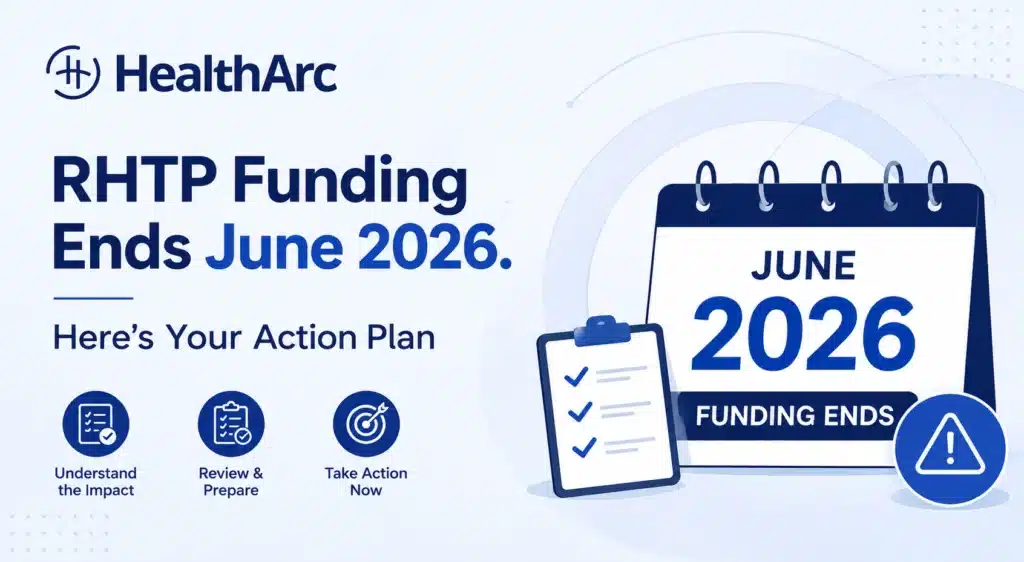
RHTP funding ends June 2026, creating a critical window for rural healthcare providers to secure transformational grants before opportunities disappear. This comprehensive action plan is designed for rural hospitals, community health centers, and healthcare organizations ready to maximize their funding potential in the final application cycle.
Rural healthcare leaders face mounting pressure to modernize care delivery while managing tight budgets and staffing challenges. The Rural Health Transformation Program offers a lifeline—but only for organizations that understand state priorities and can demonstrate clear outcomes through their applications.
You’ll discover the most critical RHTP funding deadlines you cannot afford to miss, including June application windows across seven states. We’ll break down state priority areas that maximize your funding success, showing exactly what reviewers want to see in winning applications. Finally, you’ll learn why remote patient monitoring has become central to RHTP applications and get immediate action steps to position your organization for funding success before the program ends.
Critical RHTP Funding Deadlines You Cannot Miss
Pennsylvania’s $1M Opportunity for Technology Infrastructure (June 1, 2026)
Pennsylvania’s RHTP funding presents a significant opportunity for rural healthcare organizations seeking to modernize their technology infrastructure. With application deadlines set for June 1, 2026, eligible applicants can secure funding ranging from $10,000 to $1,000,000 per organization. This program strategically focuses on three critical areas: technology infrastructure, maternal health, and rural stabilization initiatives.
The funding supports comprehensive equipment upgrades, digital health implementations, and modernization initiatives, including remote monitoring capabilities. Healthcare facilities can leverage this RHTP funding 2026 opportunity to address infrastructure gaps that have historically limited their ability to provide advanced care services to rural populations.
South Carolina’s $5M Remote Patient Monitoring Investment (June 1, 2026)
South Carolina has positioned itself as a leader in remote patient monitoring RHTP investments, offering up to $5 million per applicant for qualifying RPM projects. With the same June 1, 2026 application deadline as Pennsylvania, this program represents part of a massive $200+ million statewide RHTP investment commitment.
The program heavily emphasizes remote patient monitoring, chronic care management, and digital infrastructure development. Healthcare organizations can target funding for improving outcomes in high-prevalence conditions including hypertension, diabetes, COPD, and heart disease. This focus on chronic disease management through RPM technology aligns perfectly with rural healthcare funding opportunities that address the most pressing health challenges facing rural communities.
Texas Rural Health Transformation Initiative Worth $5M (June 4, 2026)
Texas offers one of the most substantial single-applicant funding opportunities through its Rural Health Transformation Initiative, with awards ranging from $1 million to $5 million per applicant. The June 4, 2026 application deadline provides healthcare organizations with a slightly extended timeline compared to Pennsylvania and South Carolina programs.
This initiative represents a cornerstone of rural health technology funding in the Southwest, enabling comprehensive transformation projects that can fundamentally reshape how rural healthcare is delivered across Texas communities.
State Priority Areas That Maximize Your Funding Success
Remote Patient Monitoring as the Top Investment Strategy
State health departments and federal reviewers consistently prioritize remote patient monitoring RHTP applications because they demonstrate measurable impact on patient outcomes while addressing critical rural healthcare access challenges. Rural hospitals implementing comprehensive RPM programs show 25-40% reductions in emergency department visits and 15-30% decreases in hospital readmissions, making these initiatives highly attractive to funding committees evaluating RHTP funding 2026 applications.
RHTP state priority areas heavily favor RPM because these technologies create sustainable healthcare delivery models that extend far beyond the initial funding period. States recognize that RPM infrastructure investments generate long-term value through improved care coordination, reduced transportation barriers, and enhanced provider capacity to serve larger geographic areas.
Chronic Disease Management Programs Drive Results
Now that we understand RPM’s strategic importance, chronic disease management emerges as the most compelling application focus for rural healthcare funding opportunities. Diabetes, hypertension, and heart failure programs utilizing remote monitoring demonstrate the strongest return on investment metrics that evaluators seek in RHTP application process submissions.
Rural communities experiencing limited specialist access benefit dramatically from chronic disease RPM programs that enable primary care providers to deliver specialized care protocols. These programs typically show:
- Patient Engagement Rates: 80-90% sustained participation over 12 months
- Clinical Outcomes: HbA1c reductions of 1.0-1.5% in diabetic patients
- Cost Savings: $1,200-$3,400 per patient annually
- Provider Satisfaction: 85% report improved confidence in managing complex cases
Maternal Health Outcomes Generate Strong ROI
With chronic disease management establishing strong foundations, maternal health programs represent another high-priority area that maximizes telecommunications funding rural hospitals success rates. Rural obstetric care faces unprecedented challenges with over 200 rural hospitals closing labor and delivery units since 2010, making maternal health RPM a critical state priority.
Successful maternal health RPM programs address prenatal monitoring, postpartum depression screening, and high-risk pregnancy management through connected devices and virtual consultations. These initiatives demonstrate measurable improvements in birth outcomes, reduced maternal mortality rates, and increased access to specialized obstetric care in underserved regions.
Technology Infrastructure Builds Long-Term Sustainability
Previously established clinical programs require robust technological foundations that ensure RHTP grant application strategy success beyond the initial funding period. Infrastructure investments in broadband connectivity, cybersecurity frameworks, and interoperability standards create sustainable platforms for expanding telehealth services across multiple care areas.
State reviewers prioritize applications demonstrating comprehensive technology planning that includes staff training, equipment maintenance protocols, and scalability considerations. Successful infrastructure proposals typically allocate 20-30% of total funding toward technology components while ensuring compatibility with existing electronic health record systems and state health information exchanges.
Strategic Advantages of Remote Patient Monitoring for RHTP Applications
Proven Impact on Chronic Disease Management
Remote patient monitoring has revolutionized chronic disease management in rural healthcare settings, making it an ideal focus for RHTP funding applications. Healthcare providers can now continuously track patients with diabetes, hypertension, heart failure, and COPD through connected devices that transmit real-time health data. This technology enables early intervention before conditions worsen, reducing emergency department visits and hospitalizations. Rural patients who previously faced long travel distances for routine check-ups can now receive consistent monitoring from their homes, ensuring better medication adherence and lifestyle management.
Reduced Hospital Readmissions Through Post-Discharge Monitoring
Previously, rural hospitals struggled with high readmission rates due to limited follow-up capabilities. Remote patient monitoring RHTP implementations address this challenge by providing continuous oversight during the critical post-discharge period. Healthcare teams can monitor vital signs, medication compliance, and recovery progress in real-time, identifying potential complications before they require emergency intervention. This proactive approach significantly reduces 30-day readmission rates, a key metric that aligns with federal quality initiatives and demonstrates measurable value to RHTP funding reviewers.
Expanded Care Access in Rural Communities
Now that we have covered the clinical benefits, the geographic advantages become equally compelling for RHTP applications. Remote patient monitoring eliminates the barriers that rural residents face in accessing specialized care. Patients can receive expert consultation and monitoring from specialists located hundreds of miles away, effectively expanding the reach of limited rural healthcare resources. This technology is particularly valuable for RHTP state priority areas focused on improving healthcare access in underserved regions.
Measurable Outcomes That Satisfy State Requirements
With this in mind, remote patient monitoring programs generate the quantifiable data that RHTP funding requirements demand. Healthcare organizations can demonstrate improved patient outcomes through reduced hospital admissions, better chronic disease control metrics, and enhanced patient satisfaction scores. These measurable results provide concrete evidence of program effectiveness, strengthening applications for telecommunications funding rural hospitals need to maintain and expand their services. The data-driven approach ensures compliance with RHTP funding requirements while building a strong case for program sustainability beyond the 2026 deadline.
Immediate Action Steps to Secure Your RHTP Funding
Align Your Application with State-Specific Priorities
Understanding your state’s unique healthcare challenges is crucial when developing your RHTP application strategy. Each state has identified specific priority areas based on their rural population demographics, existing infrastructure gaps, and healthcare delivery challenges. Research your state’s RHTP funding priorities through official state health department documentation and previous funding award announcements.
Focus your application narrative on addressing these state-identified needs directly. If your state prioritizes behavioral health services, ensure your remote patient monitoring solution includes mental health screening capabilities. For states emphasizing chronic disease management, highlight how your technology addresses diabetes, hypertension, or cardiac monitoring specifically.
Demonstrate Scalable Technology Solutions
Now that we’ve covered state alignment, successful RHTP applications must showcase technology solutions that can grow with expanding patient populations. Reviewers want to see clear evidence that your proposed remote patient monitoring system can handle increased patient loads without proportional increases in staffing or infrastructure costs.
Document your technology’s capacity for multi-site deployment and integration with existing electronic health record systems. Include specific metrics about how your solution scales, such as the number of simultaneous patients your platform can monitor or the automated alert capabilities that reduce manual intervention requirements. Provide case studies or pilot data demonstrating successful expansion from initial implementation to larger patient cohorts.
Focus on Measurable Patient Outcome Improvements
Previously, successful RHTP funding recipients have demonstrated clear connections between their technology implementations and quantifiable health improvements. Your application must include specific metrics that reviewers can evaluate, such as reduced emergency department visits, improved medication adherence rates, or decreased hospital readmission percentages.
Establish baseline measurements for your target patient population and project realistic improvement targets. Include validated assessment tools and data collection methodologies that will track progress throughout your funding period. Consider metrics like patient satisfaction scores, clinical quality indicators, and cost savings calculations that appeal to both clinical and administrative stakeholders reviewing RHTP applications.
Partner with Proven RPM Implementation Experts
With this in mind, partnerships with experienced remote patient monitoring vendors significantly strengthen your RHTP funding application. Reviewers favor applications that demonstrate reduced implementation risk through established vendor relationships with documented success in rural healthcare settings.
Evaluate potential partners based on their rural healthcare experience, technical support capabilities, and compliance with healthcare regulations. Seek vendors who can provide comprehensive training programs for your clinical staff and ongoing technical support during the implementation phase. Include letters of commitment from these partners in your application, detailing their specific roles, responsibilities, and the timeline for deployment of their remote patient monitoring solutions.
With RHTP funding deadlines rapidly approaching across seven states this June 2026, rural healthcare organizations have a critical window to secure transformational funding. The strategic focus on remote patient monitoring, chronic disease management, and technology-enabled care delivery presents an unprecedented opportunity to strengthen your application while addressing the most pressing healthcare needs in rural communities.
The evidence is clear: states are prioritizing RPM because it delivers measurable improvements in patient outcomes, reduces hospital readmissions, and expands access to care beyond traditional clinic walls. Organizations that align their RHTP applications with these state priorities—particularly around chronic disease management for conditions like diabetes, hypertension, and heart disease—position themselves for maximum funding success. Don’t let these June deadlines pass without taking action to secure the resources your community needs to transform rural healthcare delivery.

Ready to connect care between visits?
See how HealthArc runs RPM, CCM and seven more CMS programs — the platform, the devices and the clinical team — on a single demo.