
Principal Care6 articles
Principal Care Management: codes, eligibility and workflows
PCM for patients with one serious, high-risk condition — 99424–99427, how eligibility differs from CCM, and where a single-condition program beats a full chronic care panel.
6Articles in this topic
Oct 2026Most recent update
17 minAverage read length
Latest
Jump to all 6 articles Newest in Principal Care
What changed most recently — start here if you already know the program.
The archive
The complete Principal Care archive
6 articles, newest first — the whole topic on one page. Search within it or sort for a shorter read.
Showing 6 of 6 articles
PCM in Medical Terms: What PCM Means in Healthcare
What PCM means in medical terms: principal care management (CPT 99424–99427), TRICARE primary care manager and protein-calorie malnutrition (E40–E46).
Sudeep BathRead
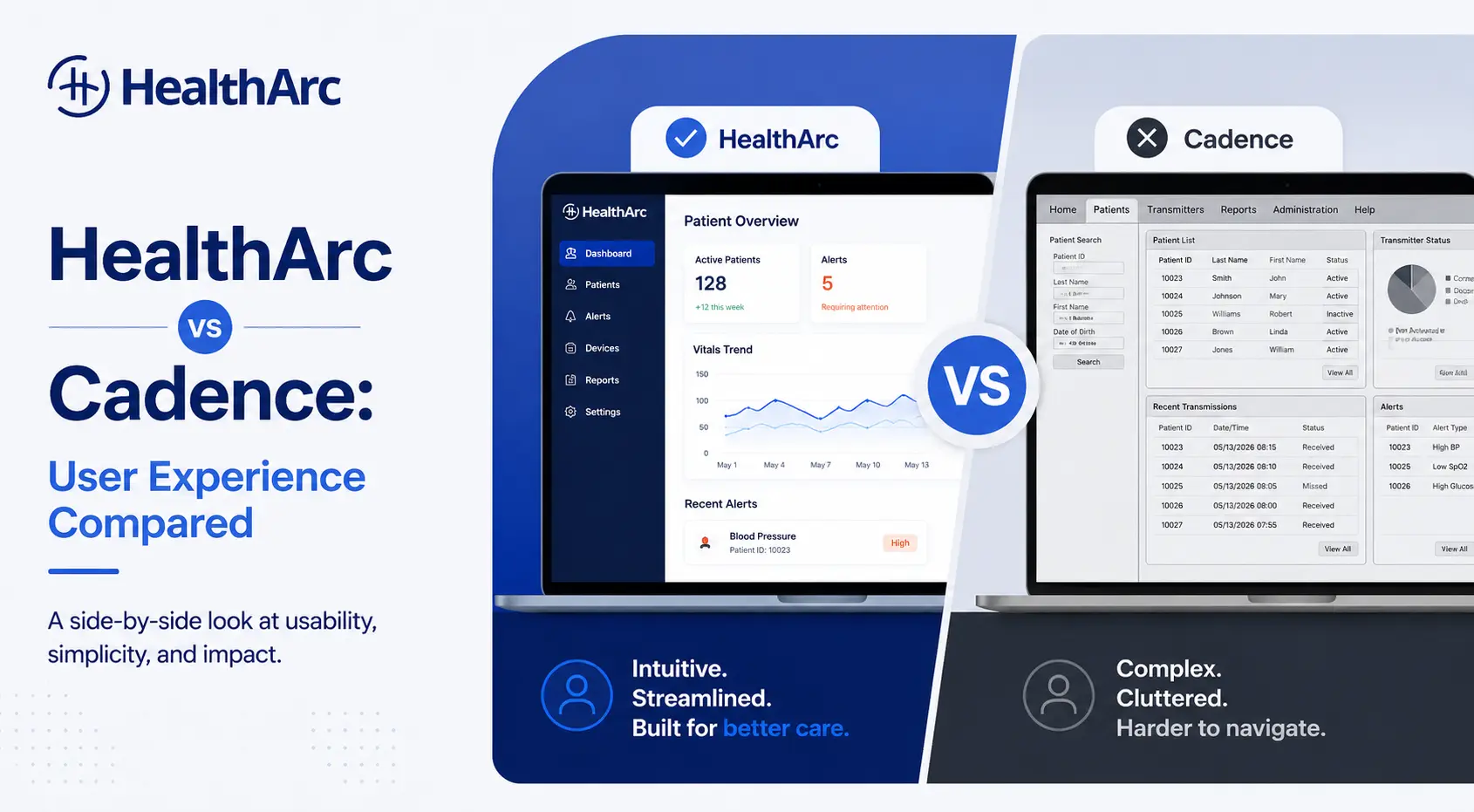
HealthArc vs Cadence: RPM and Care Management Platforms Compared (2026)
HealthArc vs Cadence compared on care model, programs, devices, EHR integration and CMS 2027 readiness, for practices, health systems and enterprise teams.
Jack WhittakerRead

Principal Care Management (PCM): A High-Impact Strategy for Specialists under Value-Based Care
How specialists use principal care management (PCM) to manage one high-risk condition between visits, add revenue and prepare for value-based contracts.
Sudeep BathRead

Principal Care Management (PCM) 2026: CPT Codes, Workflows & Medicare Updates
How to bill Principal Care Management: CPT codes 99424–99427, time and documentation rules, the PCM workflow, and 2026 Medicare reimbursement.
Sudeep BathRead

Principal Care Management (PCM) & CPT Codes For 2026
Principal Care Management explained: CPT codes 99424, 99425, 99426, and 99427 — descriptions, billing requirements, and 2026 Medicare reimbursement.
Sudeep BathRead

Principal Care Management Comprehensive Guide: Elements and Benefits
New codes by CMS for principal care management (PCM) are here with complete guidelines and reimbursement. How to bill principal care management?
Sudeep BathRead
Reading about Principal Care is one thing. Running it is another.
See how the program works day to day — enrollment, device logistics, time tracking and audit-ready documentation — on the HealthArc PCM platform.
Keep reading
See all topics Related topics
These programs share codes, staff and time with Principal Care — most teams end up running more than one.
Ready when you are
Bring Principal Care into one platform
HealthArc runs RPM, CCM, RTM, TCM, PCM, BHI, APCM, MTM and PIN on a single login — with automated CPT time tracking and documentation that holds up in an audit.