
dddddd
By Jack Whittaker
| February 20, 2024
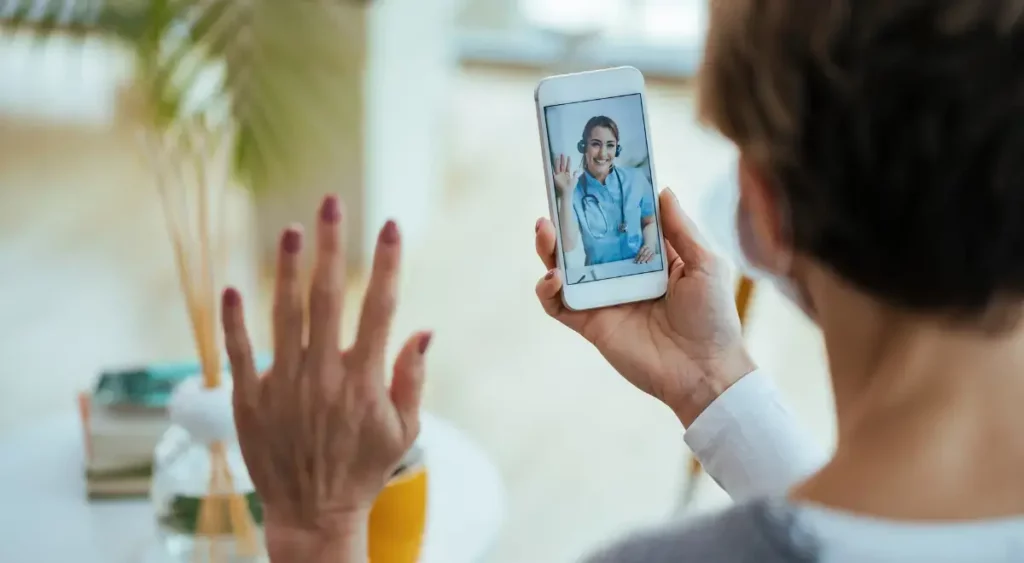
A long-standing problem in healthcare is the disparity in health equity, especially when it comes to different geographic locations, such as rural and urban communities. With issues like remote demography and lack of adequate infrastructure, attaining quality healthcare in remote locations has become a challenge. But, technological advancements, including cellular medical devices have almost closed the digital divide gap by helping patients have easy access to healthcare.
With cellular devices, remote patient monitoring (RPM) programs, and other digital health platforms, patients in remote places may now easily consult healthcare providers to get immediate medical advice, right from the comfort of their homes.
Let’s take a closer look at how cellular remote patient monitoring is transforming healthcare delivery in remote areas.
Role Of Technology In Addressing Healthcare Gaps
Healthcare technology is playing a crucial role in closing the gap in health equity, with RPM being a helpful initiative, helping patients and medical professionals to connect virtually. This allows patients to save on healthcare related transport costs.
Cellular medical devices and apps have the ability to connect patients with their healthcare providers, as well as enable medical advice and prescription reminders, even in remote locations with little access to healthcare.
Remote patient monitoring (RPM) enables medical professionals to keep an eye on patients’ health outcomes, which has proven beneficial in ensuring better health outcomes, especially for individuals with chronic conditions who require regular monitoring. RPM technology allows healthcare providers to keep track of patients’ vital signs, treatment compliance, and overall health status to ensure timely intervention in case of falling health.
Cellular Remote Patient Monitoring & Its Role In Bridging Digital Divide
The difficulty in accessing healthcare facilities is one of the main issues patients living in remote areas go through. However, cellular remote patient monitoring has greatly improved remote healthcare with technological innovation that allows virtual monitoring, medication compliance, and online sessions between patients and healthcare providers.
RPM has made access to healthcare in remote regions more convenient and accessible than ever before. One of the main benefits of remote monitoring is that it gives healthcare professionals access to real-time data, empowering them to make informed decisions about their patient’s health and care. Since RPM makes it possible for medical professionals to act swiftly in case of an emergency, patient outcomes have greatly improved.
Not only this, RPM is helping patients pay less for healthcare, along with avoiding expensive and time-consuming trips to the doctor’s office.
Remote patient monitoring has been a game-changer in bridging the digital divide gap and helped improve access to healthcare, reduce medical costs, and improve patient outcomes.
How Cellular Remote Monitoring Devices Are Proving Beneficial?
In remote locations with limited internet and Wi-Fi connectivity, cellular monitoring devices are helping reduce the accessibility challenges. Cellular devices use cellular networks, as opposed to traditional monitoring systems, to securely transfer data to healthcare providers, regardless of local infrastructure constraints.
- Overcoming Connectivity Issues
Cellular monitoring devices provide patients needing regular health monitoring with an easy communication medium, even if the internet connectivity is unreliable. The smooth operation of these devices guarantees that patients can communicate critical health data from any place, enabling healthcare providers to provide individualized treatment and timely interventions.
- Increasing Patient Involvement
By eliminating connectivity issues, cellular monitoring devices enable patients to undertake an active role in their healthcare journey and outcomes. Without the need for complicated technological infrastructure, patients in remote areas may quickly set up and use these devices, enhancing control over their health.
- Improving Health Outcomes
When cellular monitoring devices are incorporated into remote patient monitoring systems, patients can observe visibly improved health outcomes. By enabling timely interventions and routine monitoring, these devices contribute to the prevention of disease progression, reduction in hospital readmissions, and boosting general well-being, along with reducing healthcare disparities.
- Addressing SDOH
The use of cellular monitoring devices is a strategic way to address social determinants of health. Healthcare organizations can promote a more inclusive and patient-centered approach to their care delivery model by reducing the impact of social determinants of health and ensuring fair access to remote monitoring devices.
- Promoting Equity in Healthcare
A fundamental right that should transcend socioeconomic differences is equitable access to healthcare. Healthcare providers can close the digital gap and guarantee that patients in remote areas will receive the same standard of care as those in metropolitan areas by deploying cellular monitoring devices.
Embrace The Future Of Cellular RPM With HealthArc
While the future remains unpredictable, one thing is certain: the demand for cellular devices and remote patient monitoring solutions is going to increase.
Cellular monitoring devices are a useful tool for breaking down barriers to healthcare access in remote areas, allowing people to take control of their health and bridge the digital divide, regardless of geographic location or connectivity limitation.
HealthArc’s cellular devices like blood pressure monitor, weight scale and pulse oximeter are 4G enabled with a 2G fall back option for remote settings. These devices have the ability to hop from network to network till the time the readings are sent out.
Request a free demo or feel free to talk to our team at +201 885 5571 to learn how we can help your organization achieve its long-term care coordination and remote monitoring goals.
Frequently Asked Questions (FAQs)
What does the term ‘bridging the digital divide’ mean in healthcare?
In the healthcare sector, the term ‘bridging the digital divide’ refers to the elimination of disparities in the access to digital healthcare technologies to ensure that all patients—regardless of their location or their ability to use digital technologies—can benefit from remote care technologies such as RPM.
How does cellular RPM help to bridge the digital divide?
Cellular RPM uses cellular technologies to make it easier to monitor patients from a distance without having to rely on the internet or Wi-Fi to provide healthcare services. This helps to bridge the digital divide since patients in rural areas may not have access to the internet.
Why is connectivity an issue for traditional RPM?
Traditional forms of RPM rely on the internet to deliver remote healthcare services to patients. But some patients may not have internet access at home, which could hinder remote healthcare technology use.
What kinds of devices are used with cellular RPM?
Cellular RPM devices are typically wireless monitoring tools—like pulse oximeters, blood pressure monitors, or glucose meters—that can send data over cellular networks directly to care teams without needing patient-side Wi-Fi or hotspots.
Can cellular RPM improve access to healthcare in rural areas?
Yes. It does not require an internet connection to function, and so rural and underserved populations can access and be part of RPM, ensuring they are constantly connected and have access to care.
Is cellular RPM able to connect to any type of mobile network?
Yes, it can connect to any type of mobile network. The type of mobile networks patients can access depends on where they are and which networks are accessible to them. Cellular RPM also provides patients with access to internet connections at home.
How does bridging the digital divide with cellular RPM improve health outcomes?
Bridging the digital divide with cellular RPM allows all patients to participate in RPM programs, thus providing continuous data to the clinician, which can prevent complications and improve communication with the patient, all of which are key to improving health outcomes for those with chronic care issues.
Do patients require a smartphone to utilize cellular RPM?
No, as this technology is able to send information directly through the cellular network without a smartphone or patient interaction.
How does cellular RPM benefit care teams and clinical processes?
This technology is able to integrate patient information into a system, just as traditional RPM does. This allows healthcare teams to have a better understanding of patient information in real time.
Is cellular RPM secure and compliant with healthcare regulations?
Yes, as a quality cellular RPM technology, it is able to send information through an encrypted system that is compliant with healthcare privacy regulations (HIPAA), allowing patients to feel secure about their information being shared with healthcare teams.

Jack Whittaker
Sales leader and high level Operator with a demonstrated history of working in the hospital & health care industry.

Categories
Advanced Primary Care Management→AI & Care Coordination→Behavioral Health Integration→Care Management Programs→Chronic Care Management→Digital Health & Software Solutions→General Remote Care Topics→Medication Therapy Management→Pricing & Business Strategy→Principal Care Management→Remote Patient Monitoring→Remote Therapeutic Monitoring→Transitional Care Management→
Related Blog
- February 20, 2026 | Read Time: 12 mins
How Remote Patient Monitoring Helps in Mental Health Care Conditions
There is a structural change happening in mental health care. In recent...
Learn More- February 13, 2026 | Read Time: 8 mins
CPT 99445 and 99470: Complete 2026 Guide to Short-Window RPM Billing with HealthArc
CPT 99445 and CPT 99470 are transforming how practices bill for Remote...
Learn More- January 24, 2026 | Read Time: 15 mins
Care Gaps in Healthcare: What They Mean, and How to Close Them Faster
There has always been a lot of data in healthcare. The challenge...
Learn More