
dddddd
Currently browsing: Pricing & Business Strategy blogs
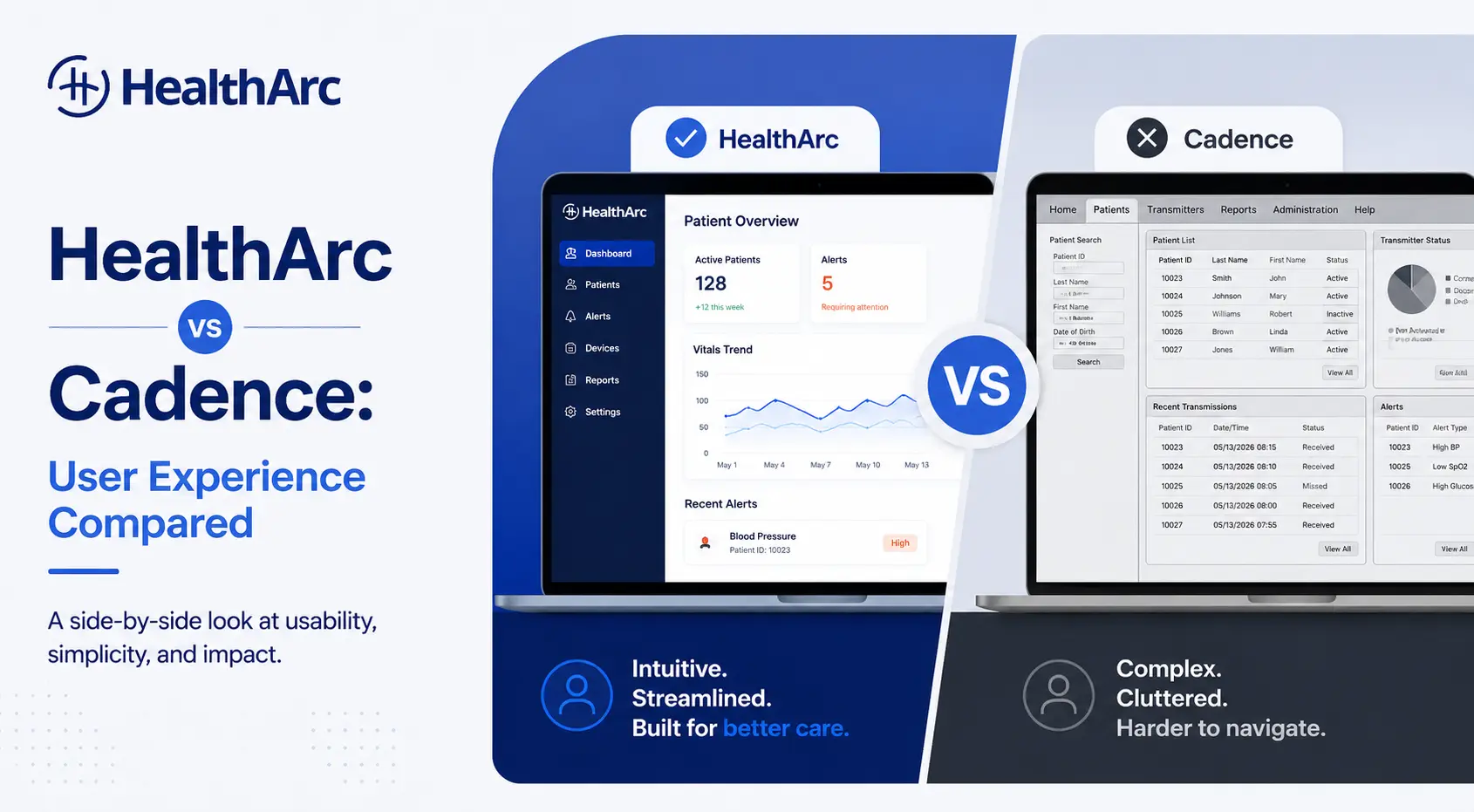
- May 13, 2026 | Read Time: 22 mins
- 02 Comment
- Admin
HealthArc vs Cadence: User Experience Compared

- April 3, 2026 | Read Time: 31 mins
- 02 Comment
- Admin
Revenue Opportunities under CMS APM Programs

- January 22, 2026 | Read Time: 13 mins
- 02 Comment
- Admin
What are Capitation Payments? What is the Difference Between Capitation and Fee-For-Service?

- July 8, 2025 | Read Time: 9 mins
- 02 Comment
- Admin
Remote Patient Monitoring (RPM) Pricing Structure and Models for Healthcare Providers

- March 4, 2025 | Read Time: 10 mins
- 02 Comment
- Admin
Infrastructure Frameworks for Effective Remote Patient Monitoring (RPM)

- September 11, 2024 | Read Time: 10 mins
- 02 Comment
- Admin
Implementing Cost Savings Through Remote Patient Monitoring (RPM)
Most recent blogs


Categories
- Advanced Primary Care Management
- AI & Care Coordination
- Behavioral Health Integration
- Care Management Programs
- Chronic Care Management
- Digital Health & Software Solutions
- General Remote Care Topics
- Medication Therapy Management
- Press Release
- Pricing & Business Strategy
- Principal Care Management
- Remote Patient Monitoring
- Remote Therapeutic Monitoring
- Transitional Care Management