
By Jack Whittaker
| July 8, 2025
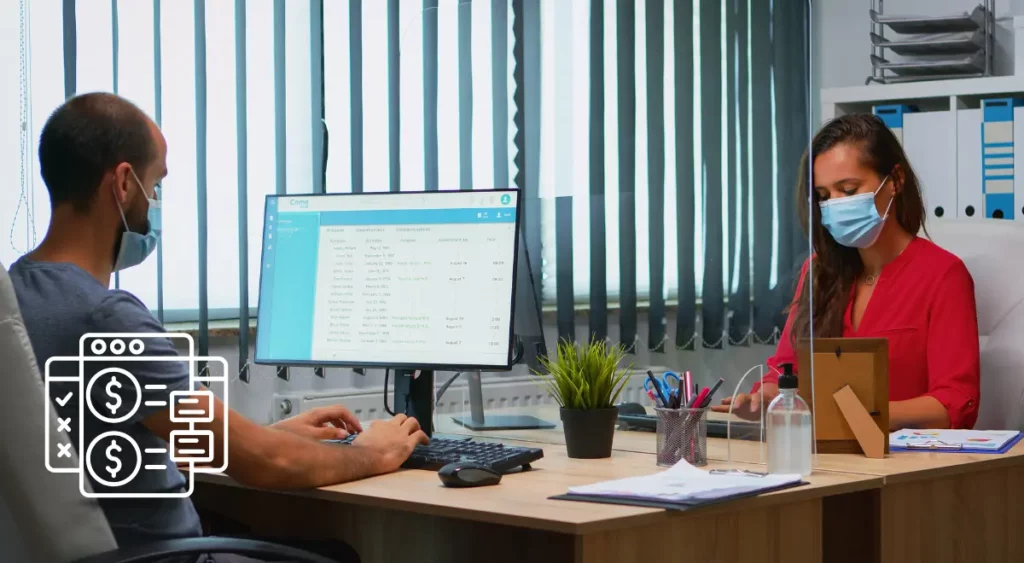
Remote Patient Monitoring (RPM) has emerged as an important part of value-based care, improving outcomes and reimbursement opportunities. It is important for healthcare providers to consider implementing or improving remote patient monitoring programs to understand pricing and the types of pricing structures or models that exist.
Components of the Remote Patient Monitoring (RPM) pricing model
RPM pricing depends on several components, such as:
- Device Costs
- Upfront Purchase: one-time cost per device (e.g., blood pressure monitor, glucometer)
- Rental/Lease: a per-month charge per device, usually with some bundled service
- Cellular or Bluetooth devices: Cellular devices do not rely on the patient having Wi-Fi or a smartphone. For basic devices, the price range goes from $30 – $100 each, and for Cellular-enabled devices, it goes from $80 to $200+.
- Software Platform Fees: This fee is associated with the dashboard, analytics, alerts, and integration with EHRs.
- Per-provider: License, $100 – $500/month
- Per-patient: License, $10 – $40/month
- Enterprise: Flat fee for large health systems with negotiated terms
- Clinical Monitoring Fees: This fee depends on the care team involved in providing monitoring and support.
- In-house: Salaries or hourly rates
- Outsourced (RPM vendor): $20 – $60 per patient per month (PPPM) based on CPT billing
- Implementation and Training Costs: This is a one-time cost to set up, train staff, and integrate the EHR with onboarding patients. The price range goes from $1,000 to $10,000+, depending on the practice size and patient panel.
Common RPM Pricing Models for Providers
- Turnkey Vendor Model: In this model, the vendor provides all devices, software, and monitoring staff.
- Pricing: Flat fee or a desired % of reimbursement earned (e.g., 70/30).
- Pros: Low provider involvement and improved scalability.
- Cons: Lower margins for delivery and less control.
- Hybrid Model: In this model, the provider utilizes a vendor platform and devices but monitors with their staff.
- Pricing: Platform + device fee with lower operational costs.
- Pros: Better ROI and higher control on the dashboard.
- Cons: Internal resources needed.
- In-House/Do-It-Yourself Model: In this model, the provider purchases devices, uses their clinicians, and utilizes existing workflows.
- Highest start-up cost but lowest operational fee.
- Controls reimbursement and allows for creating a customized workflow.
- Technology infrastructure and clinical bandwidth needed.
- Subscription (Per Patient Per Month) Model: This subscription-based model comes with vendor Charges: $40-$80 (PPPM) per patient for full service (device, platform, monitoring)
-
- Provider bills CMS: $120-$200 per patient.
- Profit margin: $40-160 PPPM.
Prominent Features That Affect Remote Patient Monitoring Pricing
The price of remote patient monitoring software is determined by a number of important factors that will determine your initial and recurring costs. Knowing this information can help your practice choose the best RPM solution from a clinical and financial perspective.
- Number of Enrolled Patients
-
- Per Patient Per Month Pricing: Most RPM software will utilize a ‘per patient per month’ pricing model. The costs increase with patient volume.
- Volume Pricing: Vendors will offer reductions for pricing per patient as more patients become enrolled.
- Features and Functionality: Some of the advanced functionalities you may find in a premium RPM system are not limited to, but include:
-
- AI-driven analytics – Provides predictive modeling and the opportunity for preemptive interventions/interactions to be made based on patients’ data trending.
- Customizable care pathways – Practice-specific workflows and alerts based on conditions or protocol for providers.
- Interoperability with EHR/EMR – Two-way flow that reduces manual entry and captures real-time data.
- Interoperability across various devices – Capability to use a variety of Bluetooth devices and cell phones for vitals, activity, etc.
- Automated patient engagement tools – Smart reminders, patient education, and follow-up ability through text, app (insight provider), or voice.
- Real-time data monitoring – Collects patient data remotely and alerts when out of threshold
- Advanced reporting & dashboards – For clinical, billing, and operational purposes with highly defined data points.
- Secure messaging & video call capability – Built into the platform to support HIPAA-compliant communication.
- Audit-ready compliance tracking – Data is documented to keep you compliant with the CMS and payer reporting requirements.
- Service Models
-
- DIY model: Least expensive, the user takes on monitoring and logistics issues.
- Hybrid model: To keep operational costs down, device fulfillment, and automated alerts.
- Turnkey model: Devices, monitoring personnel, and billing support included.
- Devices Supported: Types and Numbers
-
- Device compatibility: Incorporated into the solution while offering more integration to customers needing additional time, resources, development, or maintenance costs.
- Cellular devices: Typically require cellular or data plans, not Wi-Fi, higher pricing, etc.
- Purchase or lease devices: Some software vendors include an embedded device cost.
- Device types: Using Cellular or Bluetooth devices would significantly add to the costs and may indirectly add another $5 – $15 PPPM.
- Customized and White-Labeling
-
- Customized workflows, patient branding, or reporting would add costs.
- White labeling your patient app or clinician dashboard would likely come with licensing or development costs.
- Support and Onboarding Services
-
- Basic Support: Email or ticket system included.
- Premium Support: 24/7 live chat or phone access with a dedicated account manager from $500 – $5000.
- Training and Onboarding: It comes with a separate fee because staff training, EHR integration, and patient onboarding are often bundled together as a one-time setup, typically ranging from $200 to $1,000.
- Compliance Regulation and Security Level
-
- The higher compliance standards the software meets (SOC 2, HIPAA), the more expensive it will be.
- Encryption of transmissions, audit logging, and access control would add costs to overhead.
- High compliance requirements for hospitals or ACOs can expect to pay slightly more for robust security features.
Comparison of Leading Remote Patient Monitoring Vendors
Pricing for RPM for healthcare providers in the U.S. is complex and can be based on the delivery model, technology choices, patient volume, and clinical resources. Providers should select a model that reflects their operational capabilities, patient demographics, and financial goals. As the adoption of RPM increases with continued support from CMS and commercial payers, an investment in the right pricing model can have a positive impact on care outcomes and revenue.
-
- Pricing: All-inclusive per patient per month, no visible device-by-device fees.
- Features: RPM, CCM, TCM, PCM, RTM; device agnostic (CGM, BP cuffs, scales, etc.), built-in mobile app, AI assistant, SOC 2 compliant, extensive EHR integrations.
- Support: Email/phone, plus dedicated account manager with ~15-minute support response time.
- Pros: Unified platform across multiple program workflows; transparent pricing; robust integration and AI tools.
-
- Pricing: Nominal fee per billable RPM client, with revenue per patient.
- Features: RPM, CCM, AWV, APCM, eligibility checks, shipment, billing code generation, flexible workflows, cellular devices, managed services.
- Support: Expert services, onboarding, and device/logistics assistance.
- Pros: Revenue focused; helps capture full reimbursement; solid integration; strong managed services.
- ThoroughCare
-
- Pricing: Software options range from PPPM to full-service 3rd-party managed RPM.
- Features: Full RPM, CCM, TCM, RTM support with 400+ device integrations, intelligent care planning, AI copilot, analytics, secure messaging, and automated CPT billing
- Support: Clinical advisory to build out best practices; training, onboarding, and system integration
- Pros: Scalable with flexible pricing; advanced analytics and AI capabilities; strong EHR/data integration
- Health Recovery Solutions (HRS)
-
- Pricing: Kit-based per-month pricing on hardware (lease or purchase), plus software, 4G connectivity, unlimited clinician/caregiver use, 24/7 support; no fee per visit
- Features: RPM + telehealth; supports 90+ conditions, strong EMR integration, symptom screening, and med management
- Support: Highly rated 24/7 technical support; strong customer service
- Pros: Transparent per kit pricing model; no charge per visit; solid delivery and device management
- CareSimple
-
- Pricing: Not publicly available, part of a turnkey offering (devices + connectivity + software + services)
- Features: Condition agnostic RPM for chronic care, integrated EHR with seamless data capture and auto documentation, CPT billing support (99453, 99454, 99458, 99091, 99490), plus TCM/PCM/RTM/DSM.
- Support: Full turnkey with logistics, professional services, device/data support.
- Pros: All-in-one model saves burden on provider; higher CPT reimbursement; scalable to accommodate more conditions.
How RPM Pricing Changes as Your Program Scales
A common myth regarding Remote Patient Monitoring pricing is that as the number of enrolled patients grows, so does the cost of each patient in a linear fashion. In reality, once an RPM program has matured, many healthcare organizations actually see a decrease in cost per patient as they continue to enroll more patients into their RPM program.
During the first several months, organizations tend to have higher implementation costs related to staff training, workflow design, patient onboarding, and device deployment. As the organization enrolls more patients, these fixed costs get spread over a larger population of patients and, as such, the average cost per patient goes down.
When determining if a potential RPM program is a good financial investment for an organization, healthcare providers should determine projected enrollments over the next two to three years and assess pricing based on those projections rather than just their initial enrollment.
Some of the factors that help reduce the overall cost of an RPM program as it expands include:
- Standardization of the patient onboarding process
- Automation of the patient enrollment and workflow processes
- Reusability of clinical protocols
- Increased retention of patients enrolled in an RPM program
- Decreasing manual documentation
- Incorporation of reimbursement workflows into the RPM program
- Centralization of the management of devices utilized in an RPM program
Organizations that plan for scalable long-term growth not only have a much better ROI than organizations that focus solely on short-term or upfront costs of an RPM software solution at the time of purchase.
The Financial Impact of Patient Adherence on RPM Costs
Many organizations fail to appreciate how patient adherence contributes to the financial viability of their RPM programs.
Patient reimbursement through CMS requires consistent transmission of physiologic data and that certain monitoring thresholds are met. If patients do not consistently use their devices or transmit readings, a provider may lose reimbursement opportunities while continuing to incur operational costs.
Improving patient adherence not only improves clinical outcomes but also provides a buffer against loss of program profitability.
Adherence improvement strategies include:
- Easy to set up devices that require minimal patient effort – only sophisticated devices should require significant setup effort; the setup and configuration of other devices should be easy.
- Cellular-enabled devices for patients without smart phones.
- Automated reminders sent to patients.
- Care coordinators that proactively follow up with patients to encourage adherence.
- Creating easy-to-understand patient education that includes multiple formats.
- Get family or caregiver support for adherence.
- Provide technical support to patients as they onboard with new devices.
Organizations that achieve high adherence rates typically also achieve better reimbursement performance and retain patients better in the long run.
How Interoperability Impacts the True Cost of RPM
Software licensing is only one part of the total investment required to implement and maintain an RPM program. Another key factor influencing total investment in RPM is the integration capabilities of the platform’s interoperability with existing electronic health records (EHRs) and other technologies used by the healthcare organization.
When interoperability is lacking, there may be duplicated data entry, fragmented records, duplicate patient records, and an increase in administrative tasks for clinicians. An interoperable RPM platform should support seamless data exchange with:
| Integration Area | Operational Benefit |
| Electronic Health Records (EHRs) | Reduces duplicate documentation |
| Practice Management Systems | Simplifies scheduling and billing |
| Care Management Programs | Creates a unified patient record |
| Telehealth Platforms | Supports hybrid virtual care |
| Analytics Dashboards | Improves population health reporting |
Over time, efficient integration reduces staffing costs while improving provider productivity and clinical decision-making.
Emerging Trends That Will Shape the RPM Pricing Over the Next Five Years
Due to the ever-changing nature of the RPM marketplace and the accelerating pace of innovation within the marketplace resulting from technological advances, pricing models will also likely become more flexible as they evolve.
There are several trends impacting how vendors package and price their offerings. Some of the trends include:
- Reducing operational expenditures through automation powered by artificial intelligence
- Enabling more diverse devices through the use of device-agnostic platforms
- Increased usage of cellular-based monitoring devices
- Utilizing predictive analytics to replace simple threshold-based notifications
- Increased availability of non-institutional based care with the implementation of hospital-at-home programs
- Providing integrated RPM, CCM, RTM, and PCM under one subscription model, as opposed to being purchased independently
- Utilizing value-based pricing tied directly to measurable clinical outcomes
- Using enterprise-wide solutions for population health management
Vendors should evaluate their capabilities to support the evolution of care delivery models when evaluating current vendors, including whether they will require an unreasonably high level of investment to be able to transition to new models in the future.
Industry Perspective: Pricing Should Be Evaluated Alongside Clinical Outcomes
RPM technology expenditures shouldn’t just be considered an expense; their true benefit comes from improving patient outcomes, improving provider team efficiencies, decreasing unnecessary hospitalizations, and enabling sustainable reimbursement from payers.
Organizations that focus only on subscription costs frequently fail to take into account the long-term return on investment gained from automating / optimizing workflows and engaging with patients through technology. In contrast; organizations that apply both financial and clinical performance standards in evaluating their investments in RPM technology are preparing themselves to create scalable, sustainable remote care programs that will continue to deliver value as healthcare shifts more toward value-based reimbursement models.
Streamline Your Remote Care Goals with HealthArc’s Remote Patient Monitoring Platform
HealthArc’s all-in-one Remote Patient Monitoring platform helps practices engage their patients, maximize reimbursement, and reduce documentation while increasing clinical productivity. The HIPAA-compliant software protects both providers’ and patients’ privacy while helping healthcare organizations stay organized for their billing obligations.
HealthArc removes catch-all documents and replaces them with editable care plan templates that include check boxes, helping practitioners quickly select the most relevant goals, barriers, symptoms, allergies, medication, preventive care, and self-management goals for each patient.
Start communicating with patients using audio, video calls, and SMS. Make SDoH-enabled care plans available to the patient anytime, access prescription refills, have a virtual document of diagnostic results, and make referrals using the HealthArc dashboard.
To learn how our digital health platform can help you accomplish your healthcare objectives, schedule a free demo or contact us at +201 885 5571.
Frequently Asked Questions (FAQs)
Q1. What’s the average cost per patient per month for a full-service RPM solution?
A full-service Remote Patient Monitoring solution should vary from $40 to $80 per patient per month (PPPM). When providers bill to CMS, they generally can earn $120 to $200 PPPM, depending on the devices used, allowing for a profit margin of anywhere from $40 to $160.
Q2. How do RPM pricing models affect a clinic’s ROI?
Your ROI will depend on the model you offer:
- Turnkey models offer convenience, but the lowest margins
- Hybrid models offer the right balance of cost and control, which is better for return-on-investment
- No matter the pricing model, in-house models require the most upfront investment. However, over time, the margins can be the highest.
Q3. Do cellular-enabled RPM devices cost more than Bluetooth-enabled devices?
Yes, cellular-enabled devices (which do not require patient Wi-Fi or smartphones) are required to ensure that patients have access to the internet. They will cost $80 to $200, while most bluetooth-enabled devices cost between $30 and $100.
Q4. How do advanced RPM features such are AI analytics and EHR integration affect pricing?
Platforms that offer AI-driven analytics, real-time alerts, advanced dashboards, and EHR interoperability will charge higher software platform fees. However, there is high clinical value and operational value in a platform that offers advanced features.
Q5. How can healthcare providers grow their revenue while improving care quality?
By integrating RPM, CCM, and automation into workflows, providers can reduce overhead, improve patient outcomes, and unlock new revenue streams. For more strategies, see Grow Your Revenue & Improve in Healthcare.
Q6. How will CMS 2026 changes impact RPM programs pricing?
The proposed 2026 CMS changes represent a potentially significant expansion of RPM accessibility and reimbursement flexibility. Know more.

Ready to connect care between visits?
See how HealthArc runs RPM, CCM and seven more CMS programs — the platform, the devices and the clinical team — on a single demo.