
dddddd
By Sudeep Bath
| March 12, 2026
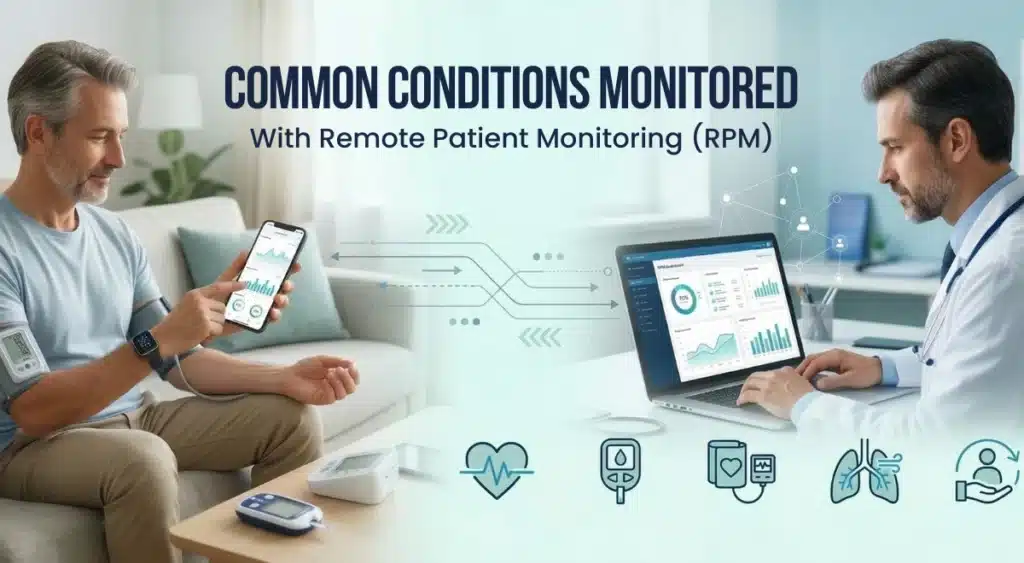
Just imagine an advanced healthcare system that tracks and analyze your health data to let your healthcare provider know what kind of care you need, without having to visit their office. In today’s healthcare industry, Remote Patient Monitoring (RPM) has shown to reduce hospital readmissions by 38% and saves up to 25% on costs normally associated with managing chronic diseases. RPM is changing the way patients and providers think about the care delivery model and the costs associated with it.
Using connected medical devices, real-time data, and clinical reports, RPM allows for continuous tracking and analysis of key health indicators to reduce the number of emergency room visits and/or improve the overall quality of care patients receive.
HealthArc provides a complete RPM solution by allowing both patients and providers to use an integrated, seamless RPM platform that works within their everyday care activities, and provides measurable positive outcomes.
In this blog, we will cover the most common chronic conditions that can be managed using remote patient monitoring, the need for RPM for each condition, and highlight how HealthArc’s RPM solutions can help improve healthcare outcomes.
- Chronic Heart Failure (CHF)
Chronic Heart Failure occurs when the pumping capacity of the heart decreases. Patients with this condition can feel exhausted, build up excess fluid, and become breathless. Monitoring patients on a constant basis facilitates the early identification of an episode.
RPM devices monitor changes over time in weight, blood pressure and variability in heart rate, all of which indicate fluid overload and the possibility of an acute episode of decompensation.
HealthArc’s RPM platform enables providers to be alerted to the health data that exceeds normal thresholds, thereby reducing the number of emergency room visits for patients with CHF and improving their overall quality of life. Providers can act sooner to make medication changes and recommend lifestyle changes instead of waiting until they have a face-to-face appointment with the patient.
- Hypertension (High Blood Pressure)
It is estimated that millions of people worldwide are affected by high blood pressure (hypertension), and it is one of the major risk factors for stroke, heart attack, and chronic kidney disease. Because hypertension often does not result in any physical symptoms, many people have no idea that their blood pressure is well controlled.
RPM allows patients to regularly monitor their blood pressure at home and get the readings automatically transmitted to their healthcare provider. This allows clinicians to have a complete understanding of their patient’s blood pressure trends over time rather than relying on the occasional blood pressure readings taken during clinic appointments only.
Tracking blood pressure over time can help diagnose hypertension accurately as well as help optimize the treatment they are providing to their patients via medications. HealthArc provides physicians with the devices and platform they need to obtain real-time health data of their patients and help improve their overall care plans.
- Diabetes (Type 1 and 2)
Diabetic patients use various types of continuous glucose monitors (CGMs) to monitor their blood glucose levels to help in the prevention of complications associated with the disease and any damage to kidneys, heart, eyes, and nervous system.
HealthArc’s RPM platform allows providers to receive real-time blood glucose readings from their patients’ using CGMs and glucometers. As a result of this data being sent directly to the provider, they can easily and quickly identify any dangerous trends, such as hypoglycemia during the night or high blood glucose levels after eating and take quick action with medication changes.
With RPM, diabetic patients can receive ongoing support and education to improve their diabetes self-management and help them decrease their A1C levels over time.
- Chronic Obstructive Pulmonary Disease (COPD)
COPD is an umbrella term that refers to a variety of progressive lung conditions, including emphysema and chronic bronchitis. Patients with COPD have difficulty breathing, experience frequent exacerbations, and are more likely to develop pneumonia than other patients.
RPM platforms offer automation to monitor patients with COPD by tracking their respiratory rate, SpO2, and activity levels. This allows care providers to identify early signs of exacerbation in patients with COPD. With RPM, clinicians can proactively modify therapies, encourage inhaler usage, or escalate care before a hospital visit.
HealthArc’s remote patient monitoring devices assist patients in avoiding exacerbations via early clinical intervention, as well as through personalized guidance on managing their symptoms.
- Asthma
Asthma is a chronic inflammatory airway disease that requires ongoing management to prevent breathing attacks from occurring and to maintain lung function. Asthma RPM solutions track data from peak flow meters and wearable sensors to identify triggers that are associated with the severity of asthma attack.
In addition, the early detection of symptoms allows the care team to make the necessary adjustments to treatment plans or to reinforce self-monitoring and care management to reduce the frequency of attacks.
HealthArc’s integrated RPM solutions allow continuous monitoring and review of health data for asthma patients, which improve the level of compliance and the overall control over their condition.
- Post-Surgical Recovery Monitoring
Patients recovering from surgery require careful monitoring of vital signs, pain levels, wound condition, and complications from surgery (e.g., infection or bleeding). RPM is designed as a structured method for both the surgeon and care team to monitor temperature, heart rate, and activity levels of a patient remotely.
Patients have access to the monitoring platform that allows them to report their symptoms through a secure channel and provide images of their wounds, making it easier for clinicians to identify problems quickly and minimize complications.
HealthArc’s two-way communication capability and the ability to track personalized care plans allows patients to stay engaged in their post-surgery recovery.
- Medication Adherence
While medication adherence is an important standalone category, it warrants its own emphasis, as lack of medication adherence is responsible for the majority of poor outcomes in patients with chronic diseases.
RPM systems send reminders to patients to take their medications and enable the tracking of their adherence by either requiring interaction from the patient or using automated pill dispensers.
As clinical vital signs are closely tracked alongside adherence data, providers can better engage patients who struggle with their prescribed medication regimens through improved medication adherence. HealthArc’s RPM platform provides reminders and adherence data in a way that incorporates into a patient’s routine to facilitate their treatment success.
- Arrhythmias and Atrial Fibrillation (AFib)
Patients who experience AFib or other types of cardiac arrhythmia are at increased risk of developing a stroke and experiencing the progression of heart failure. RPM systems use either patches or wearable ECG monitors to obtain continuous rhythms of the heart.
Using this data from RPM systems, irregular heart rhythms can be flagged to clinicians for immediate intervention and/or to expedite the review of the health data. Early identification of patients who have atrial fibrillation allows clinicians to prevent complications and give guidance on therapeutic changes that include adjustments to anticoagulation therapy.
Arrhythmia is flagged and acted upon in a timely manner via HealthArc’s secure data capture and alert systems, reducing the risk of complications and improving clinical outcomes.
- Chronic Kidney Disease (CKD)
CKD does not present symptoms until later stages of the disease and is comorbidity with both diabetes and hypertension. Key metrics used to identify trends in kidney function, such as blood pressure, weight, and lab results support clinicians in the monitoring of patients’ kidney function trends.
Clinicians use RPM systems to monitor these metrics and make adjustments in their patients’ therapies before significant decline in renal function occurs. This early detection allows clinicians to adjust medication and make lifestyle modifications for delaying the disease’s progression.
Through the integration of real-time data and RPM device feeds, HealthArc facilitates diligent monitoring of kidney disease and coordinated care planning.
- Mental Health Conditions
While the traditional biosensors used for monitoring patients do not measure many of the symptoms associated with mental health conditions, patients can keep track of their mental health disorders by remotely monitoring their symptoms and behaviors.
Using tools available on their mobile phone apps, patients can document their mood, quality of sleep and levels of stress. When clinician track their patient’s RPM data, early detection for depression or anxiety is possible.
RPM platforms allow virtual check-ins that provides a bridge between traditional care and ongoing support between office visits, allowing mental health professionals to identify trends and provide early intervention.
- Obesity
Obesity is a chronic condition associated with an increased risk of developing diabetes, high blood pressure, and/or cardiovascular disease. Customizable RPM solutions, which include connected scales and activity bands, can help providers understand their patients’ weight trends, physical activity levels, and other lifestyle choices.
When the clinician does this, they can place these trends in context with other health-related data, such as vital signs, lab results, family health history, so they can counsel the patient on setting achievable goals.
HealthArc’s RPM devices provide patients with visual representation of their progress towards their goals and help them stay motivated.
- Hyponatremia & Fluid Balance Disorders
Imbalances in electrolytes, such as hyponatremia, cause the risk of increasing morbidity and mortality in patients with heart failure, renal failure, or those taking diuretics. Remote patient monitoring allows clinicians to track patient weight, fluid intake and outtake, and vital signs to observe trends that indicate the patient has developed fluid overload or fluid imbalances.
This allows timely intervention, either by adjusting the patient’s fluids or modifying their medication regimen to avoid developing complications because of fluid imbalances or overload.
HealthArc has developed robust analytical tools for RPM data that provide clinicians with trend visualizations and alerts in order to help them intervene as early as possible.
- Cancer Survivorship and Symptom Monitoring
Patients that are going through recovery from their cancer treatment often need symptom management for things such as pain, fatigue, and risk of immune suppression. RPM tools enable continuous monitoring of patients’ symptoms and vital signs, enabling the clinician to identify any complications at an early stage.
HealthArc supports survivorship programs and provides a secure method for patients to report their symptoms, view dashboards of recorded symptoms, and communicate with their clinicians. Clinicians then use this data to adjust care plans and provide a better quality of life for cancer survivors.
- Neurological Conditions (Parkinson’s, Epilepsy)
Remote patient monitoring allows healthcare providers to monitor specific conditions related to movement, or neural activity, such as tremors, seizures, or gait patterns.
Wearable sensors and patient-reported measures facilitate accurate identification of meaningful patterns that may be suggestive of disease progression or risk of disease progression. RPM allows for timely adjustments of medications and therapies.
HealthArc’s RPM system allows improving clinical and operational efficiencies through the integration of medical devices and other monitoring approaches for individuals with neurological conditions.
- Coronary Artery Disease (CAD)
CAD occurs when fat accumulates in, and/or, within the walls of the coronary arteries and reduce blood flow to your heart. CAD will increase your risk of experiencing angina (chest pain) and myocardial infarction (heart attack) and/or sudden cardiac death.
Remote patient monitoring in patients with CAD focuses on tracking blood pressure, heart rate, equivalent ECG rhythms, pulse oximetry, and post-exercise activity tolerance. By observing any subtle changes in a patient’s exercise tolerance or resting heart rate, a provider can determine if the patient’s condition is on the verge of improving or worsening.
Utilizing RPM to manage cardiovascular disease allow providers to detect early symptom escalation, optimize medications such as beta-blockers or statins; and reduce the occurrence of emergency cardiac events through continuous monitoring.
- Stroke Recovery and Post-Stroke Monitoring
Patients who’ve had a stroke require continuous follow-up for blood pressure issues, mobility problems, and secondary prevention measures for future thrombotic events.
For stroke patients, RPM allows clinicians to assess their patient’s blood pressure history, monitor medication compliance, level of physical activity, and rehabilitation programs to assess speech and/or movement capabilities.
Early identification of untreated hypertension or atrial fibrillation is important in preventing future strokes. RPM assists with rehabilitation by encouraging compliance with rehabilitation and assisting in clinical recovery.
- Hyperemesis Gravidarum and High-Risk Pregnancies
In order to protect the health of both the mother and the child during a high-risk pregnancy, continuous follow-up is necessary. It helps identify and manage health issues associated with gestational hyperemesis and gestational diabetes.
RPM is used to maintain a record of weight, blood pressure readings, glucose measurements and possible symptoms of maternal-fetal hyperemesis during pregnancy.
Establishing a pattern of monitoring maternal-fetal health helps with early detections of maternal-fetal health problems, gestational diabetes, and preeclampsia. It allows clinicians to provide timely, high-quality care to mothers with multiple gestation pregnancies.
- Sleep Apnea Monitoring
There is a significant relationship between the diagnosis of sleep apnea and hypertension, cardiovascular disease and metabolic diseases. However, many patients diagnosed with sleep apnea remain untreated or inadequately treated.
RPM solutions can be integrated into CPAP devices, as well as wearable sleep devices to measure the patient’s use of the CPAP device, oxygen saturation levels and the occurrence of apneic episodes.
By checking how many hours a patient adheres to therapy each night and what their oxygen levels are over time, the provider can act quickly if they see their patients’ usage of therapy is decreasing or their symptoms do not resolve or improve. Through remote patient monitoring for sleep disorders, patients receive improved long-term cardiovascular outcomes, while adhering to the prescribed therapy.
- Chronic Pain Management
Chronic pain is a condition that affects millions of people, and frequently occurs in conjunction with musculoskeletal disorders, arthritis, or following surgery.
RPM platforms provide an opportunity for patients to document their pain score, medication usage, level of mobility, and their sleep pattern. When RPM is used with wearable activity monitoring devices, the provider can gain a better understanding of their patient’s functional limitation.
Through remote patient monitoring for chronic pain, the provider can create individualized pain management plans, decrease the risk of opioid dependency, and promote participation in non-pharmacologic interventions, such as tracking adherence to physical therapy.
- Rheumatoid Arthritis and Autoimmune Conditions
An autoimmune disease, such as rheumatoid arthritis, requires the patient to routinely record symptoms of inflammation, how well they are able to move, and when they experience flare ups.
RPM platforms collect patient self-reported scores for symptoms, how stiff their joints are, their degree of fatigue, and their adherence to prescribed medications.
By identifying early signs of potential flare ups, a clinician can adjust use and dosage of medication, and/or immunomodulatory therapy prior to the onset of severe inflammation. By establishing a more proactive model of autoimmune disease management through the use of RPM, providers can manage their patient’s care more effectively than just treating symptoms as they arise.
- Anemia and Hematologic Conditions
Patients with chronic anemia, especially those receiving chemotherapy or suffering from kidney disease need continual surveillance for symptoms such as fatigue, dizziness, and fluctuations in heart rate.
RPM systems offer the ability to track patient-reported symptoms and establish lab correlations with hemoglobin measurements.
Identifying early signs of worsening fatigue patterns or tachycardia enables timely interventions, prevents emergency complications and decreases dependency on hospitals by those patients who are at-risk or vulnerable to hematological disorders.
- Liver Disease And Cirrhosis
Patients suffering from chronic liver disease require monitoring for ascites, changes in body weight, fluid retention, and signs/symptoms of hepatic encephalopathy. RPM allows tracking weight fluctuations, changes in mental status, and vital signs.
Even small increases in body weight may result in fluid retention and need modifications in medications used to treat ascites. By maintaining ongoing monitoring and assessments, cirrhotic patients experience a decrease in hospitalization rates.
- Monitoring Patients With Post COVID Syndrome
Long Covid patients witness ongoing fatigue, shortness of breath, palpitations, and cognitive impairment. RPM devices can measure oxygen levels, heart rate fluctuations, and functional abilities, which help identify patterns of post-viral dysautonomia.
Remote monitoring of patients with long COVID assist clinicians in identifying changing patterns of symptoms and more effectively matching rehabilitation interventions and medication regimens to the patients’ patterns of recovery.
- Pediatric Chronic Conditions
RPM is becoming more common in management of pediatric asthma, type 1 diabetes, and congenital heart diseases. Parents and caregivers experience decreased levels of anxiety and enhanced compliance through real-time notifications and contact from their clinician.
The use of remote patient monitoring in pediatrics increases the likelihood of timely identification of deterioration in a child’s condition and is an effective mechanism for delivering a coordinated approach to family-centered care.
How RPM Helps With Value-Based Care Models?
As healthcare organizations move toward value-based reimbursement models that focus on quality of care and outcomes as opposed to fee-for-service, Remote Patient Monitoring programs align with these goals through the reduction of avoidable hospital readmissions, improvement of chronic disease management, and better patient satisfaction scores.
Patient engagement is one of the most significant contributors to improved health outcomes and can improve with:
- Real-time results feedback
- Self-monitoring of health data
- Encouragement for accountability with daily metrics
- Two-way communication between patients and their care teams
The use of Remote Patient Monitoring enables patients to be proactive and engaged in their care based on the consistent and repeated measuring of their individual health data.
Why Expanding RPM Across All Conditions Matters
A major shift that has taken place in modern day healthcare is that it is no longer episodic; it is continuous. Expanding RPM for both chronic and acute conditions helps providers:
- Improve long-term outcomes
- Decrease healthcare costs
- Increase patient satisfaction
- Facilitate value-based reimbursement models
A comprehensive RPM program will ensure no patient falls through the cracks.
Frequently Asked Questions (FAQs) About Chronic Conditions Monitored Using RPM
What is RPM?
RPM is a technology-enabled model of care that collects patient data, transmits it securely, and allows clinicians to make clinical decisions remotely using connected devices.
What are some examples of chronic conditions that are well-suited for RPM?
Heart failure, hypertension, diabetes, COPD, and arrhythmias are just a few of the chronic conditions that benefit greatly from the ongoing monitoring of vital signs.
Can RPM reduce hospital visits?
Yes, by identifying early warning signs; therefore, evidence has shown that patients using RPM have fewer hospital admissions and re-admissions.
Is RPM just for seniors?
While RPM is benefits senior patients, any patient with a chronic condition could benefit from ongoing monitoring.
What are the ways RPM helps patients follow treatment plans?
RPM platforms may offer patients reminders for medications, a reporting tool for clinicians to see how patients are adhering to their treatments, and clinician engagement with patients to improve treatment adherence.
What types of devices are used in RPM?
FDA-approved RPM devices, such as digital blood pressure monitors, blood glucose meters, pulse oximeters, weight scales, ECG patches, and/or a variety of wearable sensors.
Will RPM take the place of seeing a healthcare professional in person?
RPM works together with healthcare providers and does not replace in-person consultations. It results in greater efficiency and improves health care visits by providing health care providers with continuous data about their patients’ states.
Is RPM reimbursed for insurance?
Many payers, including both private and Medicare, have added reimbursement for RPM when certain criteria is met.
Is RPM able to identify early problems with a patient condition?
Yes. When RPM data is collected, trends often can indicate a change in a patient’s status, allowing for early intervention.
Is patient health data stored securely on RPM systems?
Many reputable RPM systems such as HealthArc use HIPAA-compliant encryption and transmission of protected health information as part of their commitment to secure patient health records.
Why Rely on HealthArc for Remote Patient Monitoring Programs?
HealthArc is an innovative digital health platform providing healthcare professionals with Remote Patient Monitoring (RPM) platform and devices to improve their workflows. In addition to integrating with clinical workflows, HealthArc’s platform includes support for connected device data, secure patient communication, personalized care plans, and real-time notifications to healthcare providers.
Our goal is to promote patient engagement, improve clinical outcomes, and reduce the cost of care, enabling providers to deliver high-quality, proactive care that patients can trust and rely on.
Need help with RPM services and devices? Feel free to schedule a demo or call us at +201 885 5571 now for information on RPM eligibility and programs.

Sudeep Bath
Sales & Tech Leader with 22+ years of experience Former SVP for $37B PE portfolio company Advisor and Board member in number of startups



Categories
Advanced Primary Care Management→AI & Care Coordination→Behavioral Health Integration→Care Management Programs→Chronic Care Management→Digital Health & Software Solutions→General Remote Care Topics→Medication Therapy Management→Pricing & Business Strategy→Principal Care Management→Remote Patient Monitoring→Remote Therapeutic Monitoring→Transitional Care Management→
Related Blog
- February 20, 2026 | Read Time: 12 mins
How Remote Patient Monitoring Helps in Mental Health Care Conditions
There is a structural change happening in mental health care. In recent...
Learn More- February 13, 2026 | Read Time: 8 mins
CPT 99445 and 99470: Complete 2026 Guide to Short-Window RPM Billing with HealthArc
CPT 99445 and CPT 99470 are transforming how practices bill for Remote...
Learn More- January 24, 2026 | Read Time: 15 mins
Care Gaps in Healthcare: What They Mean, and How to Close Them Faster
There has always been a lot of data in healthcare. The challenge...
Learn More