
dddddd
By Jack Whittaker
| December 21, 2023
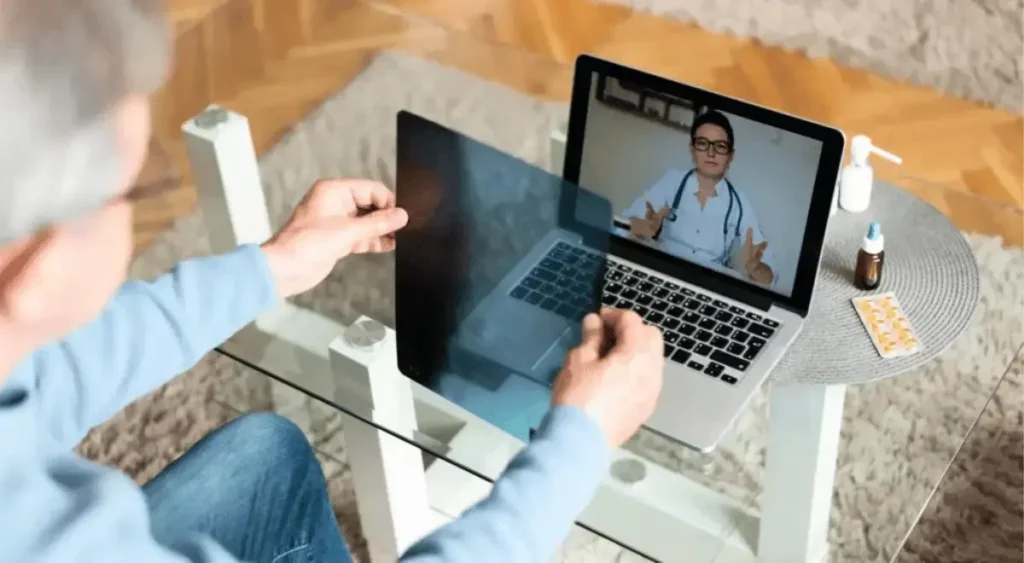
Remote Patient Monitoring (RPM) is becoming a game-changer in this ever-evolving world of remote monitoring healthcare, especially for healthcare professionals, clinicians, and physicians who are committed to giving top-notch virtual care to remote patients.
This tech isn’t just transforming how we look after patients; it’s also opening new doors for medical practices to enhance their service efficiency and profitability. In this detailed guide, we’re going to dive deep into the ins and outs of RPM, dishing out some really useful tips for healthcare pros to shine in this area.
What is Remote Patient Monitoring?
RPM is a technologically advanced approach to patient care, enabling healthcare providers to monitor patients’ health remotely. Using remote patient monitoring devices, such as blood pressure monitors, glucometers, weight scales, pulse oximeters, thermometers, spirometers, continuous glucose monitors, and wearable heart rate trackers, RPM provides real-time health insights.
This technology enables you to proactively manage chronic conditions, diagnose potential health issues early, and optimize your practice’s efficiency. Essentially, RPM extends your care beyond the clinic, enhancing patient outcomes and practice management, along with:
- Enhanced Patient Care: Continuous monitoring leads to early detection of health issues, timely interventions, and personalized care plans.
- Operational Efficiency: RPM reduces the need for in-person visits, optimizing resource allocation and reducing operational costs.
- Patient Empowerment: Patients gain insights into their health, fostering engagement and adherence to treatment plans.
Scope Of Remote Patient Monitoring(RPM)
The RPM market is booming, with projections indicating a compounded annual growth rate (CAGR) of 18.64% by 2030. This wave is driven by rising demand for digital health solutions, technological advancements, and a growing focus on patient-centered care.
The continuous evolution of health tech, including AI and IoT integration in remote monitoring devices, is creating more sophisticated and user-friendly monitoring solutions. These innovations are attracting more patients to RPM and also enhancing the quality of care the healthcare professionals can provide.
Benefits of Remote Patient Monitoring (RPM)
Remote Patient Monitoring (RPM) is transforming healthcare delivery with several key benefits, including the establishment of a comprehensive remote patient monitoring program that enhances patient care.
- Early Detection and Intervention
Real-time data from RPM allows healthcare professionals to quickly identify and address potential health issues.
- Increase in Revenues Through Reimbursements
Federal and private health insurers reimburse RPM services delivered to patients at home via RPM CPT Codes with a potential for earning up to $250 per patient each month.
- Convenience and Accessibility
RPM provides care at home, benefiting those with mobility issues or living in remote areas and enhancing patient satisfaction.
- Reduced Healthcare Costs
RPM decreases the need for in-person visits, reducing healthcare costs and potentially lowering hospital readmission rates.
- Improved Healthcare Efficiency
RPM streamlines patient monitoring, leading to better resource allocation and time management in healthcare practices.
- Better Health Outcomes
Continuous data collection through RPM offers a comprehensive health overview, enabling informed decision-making and improved patient health outcomes.
Cost-Effectiveness and Revenue Generation in RPM
Embracing Remote Patient Monitoring (RPM) presents significant financial advantages for healthcare practices. Here’s how RPM can be both cost-effective and a strong revenue generator:
- Optimized Staff Utilization: RPM allows for more effective use of staff, as they can manage multiple patients remotely, reducing the pressure on in-clinic resources.
- Broadening Service Offerings: Incorporating RPM adds a new dimension for delivering care to a wider range of patients and meeting the demand for quality health care.
- Enhanced Billing Efficiency: It facilitates the introduction of new RPM billing codes, enabling practices to bill for services that were previously non-reimbursable.
- Predictable Revenue Streams: With RPM, practices can establish more predictable and consistent revenue streams, as remote monitoring services often involve regular, ongoing patient engagement.
- Cost-Benefit Analysis: Regularly evaluate the cost-effectiveness of your RPM program, balancing the investment in technology against the returns in terms of patient volume and reimbursement rates.
Implementing RPM to Your Practice: A Step-by-Step Guide
This guide gives a structured approach to help you seamlessly incorporate RPM into your practice, ensuring both your patients and your practice reap the maximum benefits.
Step 1: Assess Practice Needs
Evaluate your patients’ health monitoring needs, focusing on prevalent chronic conditions. Determine how RPM can integrate with your existing Electronic Health Records (EHR) and practice management systems for seamless data flow.
Step 2: Choose the Right Technology Partner
Select RPM technology that is user-friendly for both patients and staff, ensuring easy adoption. Look for reliable data transmission capabilities and consider HealthArc’s care coordination solutions.
Step 3: Educate Patients and Staff
Communicate the benefits of RPM clearly to patients and staff. Conduct training sessions to ensure optimum and effective use of RPM devices.
Step 4: Streamline RPM Processes
Implement systems for automated data collection to reduce manual efforts and errors. Utilize RPM data to prioritize patient care and resource allocation.
Step 5: Monitor and Evaluate
Regularly assess the RPM system’s performance using metrics like patient adherence and data accuracy. Pursue feedback from patients and staff to determine improvement areas and meet practice needs.
RPM Healthcare Billing Codes & Reimbursement
Billing codes, particularly Current Procedural Terminology (CPT) codes, are vital in the healthcare industry as they standardize medical services for billing and reimbursement purposes.
In Remote Patient Monitoring (RPM), specific CPT codes are used for billing for various services, such as the initial setup and patient education on RPM equipment, the supply of devices, and the collection and interpretation of health data.
How Reimbursement Works in RPM?
Reimbursement in RPM involves healthcare providers receiving payment from insurance companies or Medicare for services rendered using cellular technology.
After providing RPM services, healthcare providers submit claims to payers with the appropriate CPT codes. These claims are then evaluated, and if approved, the provider receives reimbursement based on the predetermined rates for those services.
Common RPM-Related CPT Codes
CPT 99453: For initial setup and patient education on RPM equipment.
CPT 99454: For the supply of RPM devices and 16 unique readings for every 30 days.
CPT 99457: For the first 20 minutes of a physician, qualified health care practitioner, nurse practitioner and other clinical staff in a calendar month demanding interactive communication with the patient or caregiver.
CPT 99458: For each additional 20 minutes of required interactive communication.
HealthArc’s Role in Advancing RPM Technologies
HealthArc is making significant strides in advancing Remote Patient Monitoring (RPM) technologies and trends. Here’s how:
- Diverse Medical Devices Integration
HealthArc’s platform unifies data from 40 medical devices, including cellular, Bluetooth, and wearable technologies, facilitating comprehensive patient monitoring.
- AI-Powered Clinical Pathways
Utilizing AI, HealthArc tailors clinical pathways for various diseases, improving efficiency in monitoring and focusing on patients needing immediate care.
- Robust Data Security
With a dedicated Security & Compliance team, HealthArc ensures high data protection standards and HIPAA compliance, securing patient information.
- Customizable Clinical Software
The platform features adaptable clinical software, allowing healthcare providers to tailor monitoring and care strategies to meet diverse patient needs.
Ready to Maximize Your RPM Reimbursements?
Embrace the future of healthcare with HealthArc’s advanced RPM solutions. Tailored to enhance patient care and boost your practice’s efficiency, we offer the latest technology and support you need to succeed.
Take action towards transforming your healthcare delivery. Connect with HealthArc today and unlock the full potential of RPM in your practice. Request a free demo today.
Remote Patient Monitoring (RPM) KPI Scorecard
A structured scorecard lets healthcare leaders look at RPM performance in four main areas: Clinical Impact, Financial Sustainability, Operational Efficiency, and Patient Engagement
RPM KPI Scorecard
| Performance Pillar | Key Metrics | Performance Signal for Executive | Target Range |
| Impact on health care | Fewer hospital readmissions | Drop (for a specific condition) | Perfect for long-term control of chronic diseases |
| Rate of alert-to-intervention | High percentage of actionable alerts resolved | Proactive care model | |
| Condition control metrics (BP, A1C, Weight) | Measurable improvement within 3–6 months | Sustained clinical improvement | |
| Financial Sustainability | RPM revenue per patient/month | Predictable recurring revenue | Program viability |
| Billing compliance rate | 90%+ eligible patients meeting CMS thresholds | Optimized reimbursement capture | |
| Operational Efficiency | Average clinician response time | <24 hours | Timely patient support |
| Alerts per clinician per day | Balanced workload | Scalable workflow | |
| Time spent per billing cycle | Structured 20-minute engagement tracking | Documentation compliance | |
| Patient Engagement | Enrollment rate | 60–80% of eligible patients | Strong program adoption |
| Monthly adherence rate | 75%+ patients submitting required readings | Data reliability | |
| Patient satisfaction score | High retention & positive feedback | Long-term program stability |
How Leadership Should Use This Scorecard
An RPM program is thought to be mature when it shows:
- Steady progress in markers of chronic disease
- Less use of avoidable acute care
- High reimbursement capture with no risk of noncompliance
- Workload for clinicians that lasts
- High levels of patient satisfaction and retention
The scorecard changes RPM from a service that just keeps an eye on things into a measurable value-based care plan.
Challenges in Practical Implementation in RPM and How to Solve Them
Remote Patient Monitoring (RPM) is very useful for both patients and doctors, but it is not always easy to set up. Healthcare organizations that grow successfully plan for common problems and deal with them ahead of time using structured solutions.
Here are the most common problems with implementing RPM and some useful ways to get around them
1. Low patients signing up and getting involved
Challenge
Even if patients meet the requirements for RPM, they may not be able to sign up right away because of:
- Patients don’t understand much
- Not sure about technology
- Value proposition that isn’t clear
- Bad on boarding processes
RPM programs have a hard time growing without a lot of enrolment.
Solution
- Add RPM enrolment to regular discharge or chronic care processes
- Give clear, simple information to new patients when they first arrive
- Give a care coordinator to the patient for the first 30 days
- Stress the benefits, like fewer trips to the clinic and care that is tailored to each person.
Companies that make structured on boarding a priority always have higher adherence and long-term retention.
2. Inconsistent Data Submission & Adherence Gaps
Challenge
Reliable patient data is key to the success of RPM. But:
- Patients might forget to send in their readings.
- Devices might not be used.
- After signing up, engagement may go down.
- Low adherence affects both clinical decisions and the ability to get reimbursed.
Solution
- Reminders and follow-ups that happen automatically
- Dashboards for tracking monthly adherence
- Proactive outreach to patients who are below the threshold
- Regular ways to connect with patients
Successful programs don’t just think about adherence monitoring as an afterthought; they use it as a performance metric
3. Workflow Disruption for Care Teams
Challenge
If RPM data isn’t properly combined, doctors may have:
- Tired of alerts
- More paperwork to do
- EHR workflows that are broken up
- No clear responsibility for managing alerts
Staff may not want to work if the workflow is poorly designed.
Solution
- Set up structured protocols for triaging alert.
- Make sure there are clear paths for escalation
- Give people roles for reviewing RPM (for example, care manager first-level review)
- Put RPM data directly into EHR systems
The goal is to make care better, not more complicated.
4. Alert Overload & Data Noise
Challenge
Too many alerts can make it hard for care teams to keep track of a thing, which makes monitoring less useful.
Solution
- Set alert thresholds that are clinically relevant
- Set up alerts in levels of importance (low, medium, high)
- Set standard expectations for response times
- Review alert optimization on a regular basis
High-quality RPM programs focus on data that can be acted on instead of volume
5. Billing & Compliance Complexity
Challenge
To bill for CMS RPM, you need to meet certain documentation and time limits. Not keeping track of everything can lead to:
- Not getting paid back
- Risk of not following the rules
- Loss of income
Solution
- Keep track of how long each patient engagement cycle takes
- Keep an eye on compliance with 16-day device use
- Check audit documents on a regular basis
- Use structured reporting dashboards
Financial stability needs strict oversight of compliance.
6. Technology Integration Barriers
Challenge
Disconnected systems make:
- Entering data by hand
- Copying documents
- Reporting things that aren’t working right
- This makes it harder for the business to grow.
Solution
- Make sure that EHR integration is possible
- Make sure that all devices can connect to each other in the same way
- Use centralized RPM dashboards so leaders can see what’s going on.
Integrated technology makes both workflows more efficient and executive oversight stronger.
7. Scaling Beyond Pilot Phase
Challenge
A lot of RPM programs work well in pilot stages, but they have trouble when they have to work with more than one provider or location.
Solution
- Set clear, standard SOPs early on
- Set up KPI scorecards before you grow
- Train staff in the same way at all locations
- Keep a close eye on operational metrics as well as clinical ones.
- Not just technology, but also structured governance is needed for scalable RPM.
Point of view of the executive
To make RPM work, you need to find a balance between:
- The experience of the patient
- Results in the clinic
- How well the workflow works
- Following the rules about money
When organizations proactively deal with implementation problems, RPM goes from being an extra service to a scalable, value-based care strategy.
Frequently Asked Questions (FAQs)
What is RPM, or Remote Patient Monitoring?
Remote Patient Monitoring (RPM) is a healthcare service that uses digital technologies and connected medical devices to gather a patient’s health information outside of traditional clinical settings. This lets doctors keep an eye on chronic conditions, keep track of vital signs, and take action before problems arise.
How does RPM help patients get better?
RPM improves outcomes by helping people find health problems early, getting patients more involved, making sure they stick to their care plans, lowering the number of hospital readmissions, and making it easier to manage chronic diseases. All of this is backed by ongoing data insights.
How do you set up a successful RPM program?
Choosing the right technology and devices, creating clinical workflows, training staff and patients, connecting RPM with EHR systems, setting quality metrics, and making sure that reimbursement rules are in place are all important steps.
What types of conditions are best for RPM?
RPM is most effective for chronic conditions such as hypertension, diabetes, congestive heart failure, COPD, and post-acute care, where continuous monitoring can prevent issues from occurring and assist with proactive care.
What kinds of tools do RPM programs use?
Examples of RPM tools include blood pressure monitors, glucose meters, pulse oximeters, weight scales, ECG monitors, and wearable devices that send clinical data securely to healthcare providers.
How can practices ensure that patients are engaged in RPM?
To better engage patients, you must communicate things clearly to them, make technology friendly, communicate frequently, set goals, and help patients learn how to use their devices.
How does RPM integrate with Telehealth and Chronic Care Management (CCM)?
RPM works well with CCM by monitoring patient data for chronic conditions and enhancing telehealth sessions by providing real-time data.
In what ways can the RPM be repaid?
After meeting certain requirements such as device qualifications, time documentation, and data analysis, Medicare and most insurance companies will reimburse the RPM providers using certain CPT codes. It is very important to learn how to code correctly for financial viability.
What are the problems organizations face when they attempt to expand RPM programs?
Some of the problems include ensuring that the devices are compatible with EHR systems, handling too much data, ensuring that patients understand how to use technology, changing work patterns, and implementing long-term payment systems.
How does RPM protect data?
RPM protects data through HIPAA-compliant platforms, secure device connectivity, encrypted communication channels, and role-based access controls to protect patient data.
What clinical metrics should RPM programs monitor?
RPM programs monitor key indicators such as blood pressure, glucose, oxygen saturation, heart rate, and weight, as well as changes over time that indicate whether a patient’s condition is worsening or improving.
How can RPM help with preventive care?
RPM helps with preventive care by constantly checking important health indicators and allowing for early intervention. This lowers complications and improves the health of the population as a whole.
What are the best ways to get RPM patients started?
Best practices include teaching step-by-step, showing how to use the device, setting expectations, giving support resources, and following up to make sure the patient is comfortable and following the rules.
How can practices tell if RPM is working?
You can tell if RPM is working by looking at things like fewer hospitalizations, higher patient engagement scores, higher adherence rates, lower costs, and faster time to clinical intervention.
What trends are going to affect the use of RPM in the future?
Some of the new trends include analytics that use AI, biosensors that can be worn, more flexible payment terms, telehealth integration, predictive risk modeling, and patient-centered workflows.
Can you integrate RPM data with electronic health records (EHRs)?
Yes, the best RPM solutions are integrated with EHR systems to ensure that the clinical workflows are done seamlessly and that the data is accessible, and that the providers can view the patient information within their current health records.
How do practices protect patients’ information and ensure that they comply with the rules?
The practices need to ensure that their solutions and workflows are HIPAA compliant, that they have secure authentication, and that they educate their staff on the rules of privacy and data governance.
What help do patients need to do well with RPM?
Patients need help setting up their devices, learning how to use them and what their goals are, having access to resources for help, regular check-ins, and clear communication about how RPM helps their care.

Jack Whittaker
Sales leader and high level Operator with a demonstrated history of working in the hospital & health care industry.



Categories
Advanced Primary Care Management→AI & Care Coordination→Behavioral Health Integration→Care Management Programs→Chronic Care Management→Digital Health & Software Solutions→General Remote Care Topics→Medication Therapy Management→Pricing & Business Strategy→Principal Care Management→Remote Patient Monitoring→Remote Therapeutic Monitoring→Transitional Care Management→
Related Blog
- February 20, 2026 | Read Time: 12 mins
How Remote Patient Monitoring Helps in Mental Health Care Conditions
There is a structural change happening in mental health care. In recent...
Learn More- February 13, 2026 | Read Time: 8 mins
CPT 99445 and 99470: Complete 2026 Guide to Short-Window RPM Billing with HealthArc
CPT 99445 and CPT 99470 are transforming how practices bill for Remote...
Learn More- January 24, 2026 | Read Time: 15 mins
Care Gaps in Healthcare: What They Mean, and How to Close Them Faster
There has always been a lot of data in healthcare. The challenge...
Learn More