
dddddd
By Sudeep Bath
| March 28, 2024
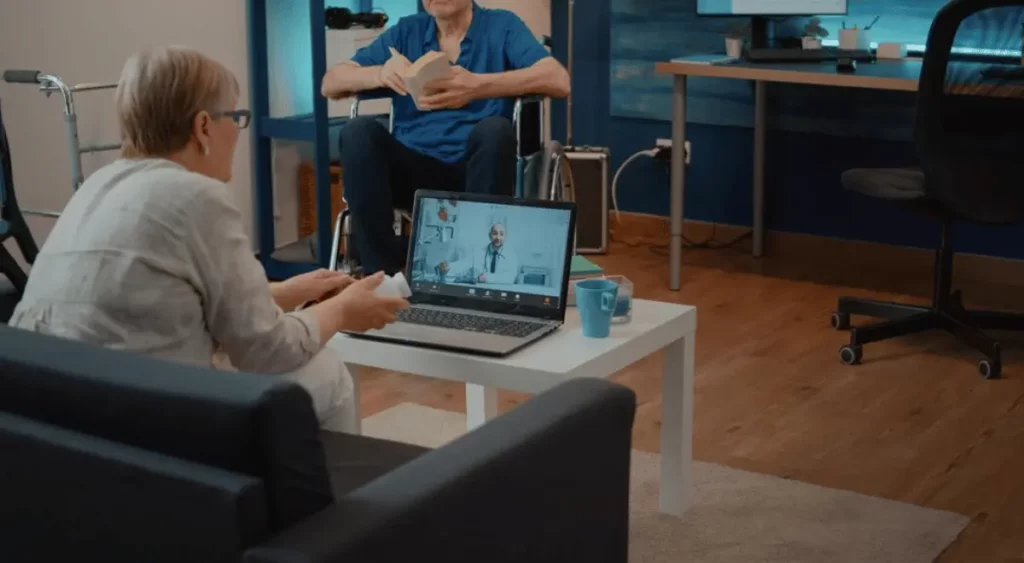
Virtual Care Management programs, particularly Remote Patient Monitoring (RPM) and Chronic Care Management (CCM) have emerged as effective tools for improving clinician workflows and patient outcomes.
Healthcare professionals are continuously leveraging this technology to bridge the gap between in-person visits and ongoing proactive treatment. In this blog, we will look at how virtual care management improves clinical workflows.
What Are Clinical Workflows?
Clinical workflows refer to the actions, processes, and procedures that healthcare professionals generally utilize to provide patient care in a healthcare organization. These workflows cover the patient journey, right from the first appointment and assessment to diagnosis, treatment, and follow-up.
Clinical workflows or processes are intended to improve the efficiency and efficacy of the healthcare delivery model, ensuring complete care coordination for patients.
How Virtual Care Management Programs Improve Healthcare Outcomes
- Continuous Patient Monitoring
Remote Patient Monitoring (RPM) is the foundation of modern healthcare and allows healthcare practitioners to monitor patients’ vital signs and health data in near real-time. By incorporating RPM into clinical workflows, physicians can have access to updated patient data to promote early diagnosis of health conditions and help reduce hospital readmission rates. Also, this enables prompt medical interventions, reduce emergency hospital visits the emergence of emergency rooms, and encourages a proactive approach to patient care.
- Enhanced Care Coordination
Chronic Care Management (CCM) aims to provide complete and continuous treatment to patients with two or more chronic diseases. By implementing CCM into clinical workflows, healthcare providers can craft personalized care plans and deliver care coordination services for more effective patient communication.
- Clinical Efficiency & Time Management
Virtual care management programs simplify clinical operations and improve time management for healthcare providers. Incorporating an RPM and CCM program allows physicians to better spend their time with patients by automating basic tasks such as appointment reminders, medication adherence checks, and health status assessments.
- Data-Driven Decision Making
The patient data generated by RPM and CCM enables data-driven decision making and allows healthcare providers to examine health patterns, identify risk factors, and personalize interventions as per patient data. This data-driven strategy improves the accuracy of diagnosis and treatment plans, resulting in an efficient healthcare delivery system.
- Patient Engagement & Empowerment
Virtual care management programs involve patients proactively participating in their care process. Patients can use cellular devices and secure patient portal to record and access their health data and communicate with their healthcare providers. This increased patient engagement generates a sense of empowerment, motivating patients to actively manage their health and make educated decisions.
- Access To Remote Care
RPM and CCM overcome geographical obstacles, allowing healthcare providers to deliver treatment to patients living in remote locations. This is helpful in addressing the healthcare needs of remote communities and patients in rural areas. Virtual care programs allow for regular check-ins, decreasing the need for frequent in-person visits and ensuring that patients receive consistent care regardless of their location.
- Billing & Reimbursement Opportunities
The incorporation of RPM and CCM into clinical workflows brings in new billing and reimbursement guidelines for healthcare practitioners. As these programs align with value-based care models, providers can use them to increase income streams while providing better patient care.
How Remote Patient Monitoring (RPM) Helps Improve Clinical Workflows?
Remote Patient Monitoring (RPM) plays an important role in improving clinical processes by bringing modern technologies that bridge the gap between healthcare practitioners and patients. RPM helps improve clinical workflows in a variety of ways, including:
- Continuous Patient Monitoring
- Early Detection of Health Concerns
- Data Integration with EHR Systems
- Enhanced Patient Engagement
- Optimized Resource Allocation
- Improved Follow-up Procedures
- Cost Savings
How Chronic Care Management (CCM) Helps Improve Clinical Workflows?
Chronic Care Management (CCM) is a comprehensive healthcare approach that focuses on improving chronic condition management and providing ongoing assistance to individuals suffering from multiple chronic illnesses. Here’s how CCM can improve clinical workflows:
- Holistic Patient-centered Care
- Personalized care plans
- Regular Monitoring & Follow-up
- Care Coordination
- Electronic Health Record (EHR) Integration
- Patient Education & Empowerment
- Risk Stratification & Targeted Interventions
- Improved Medication Management
- Improved Preventive Care
Improve Clinical Workflow With HealthArc’s Digital Health Platforms
HealthArc’s modern healthcare software and digital health platforms are intended to improve the clinical workflows of healthcare organizations. Our RPM and CCM solutions when combined- improve patient outcomes, streamline workflows, and establish a patient-centered care setting.
To learn more about how our clinical software and cellular devices can help improve patient care delivery, call us at +201 885 5571 or request a free demo now.
Frequently Asked Questions (FAQs)
Q1. In health care, what does “clinical workflow” mean?
Clinical workflow is the order in which healthcare workers do their jobs, make decisions, and take care of patients. It starts with intake and diagnosis and ends with treatment and follow-up. Efficient workflows help patients get better, save time, and make fewer mistakes.
Q2. Which tools are necessary for managing virtual care?
Virtual care management programs use digital tools and technologies such as remote patient monitoring (RPM) and chronic care management (CCM) to monitor, involve, and coordinate patient care when they are not in the office.
Q3. How do virtual care management programs make clinical work better?
Automating routine tasks like reminding patients of appointments and checking their medications makes workflows easier for virtual care programs. They also give doctors real-time information that helps them make decisions, coordinate care better, and cut down on paperwork. This gives nurses and doctors more time to care for patients directly.
Q4. What is RPM (Remote Patient Monitoring), and how can it help?
Remote patient monitoring (RPM) is the regular collection of health data from patients from a distance using medical devices that are connected to the internet, such as blood pressure monitors and glucometers. This makes it easier to find problems early, plan care ahead of time, and keep people from going back to the hospital. These things all help clinical workflows work better.
Q5. What is Chronic Care Management (CCM), and why is it so important?
CCM is all about making sure that people with more than one long-term illness get the care they need. It helps doctors make care plans that are specific to each patient, check in on them often, and talk to each other better, which makes care coordination and workflow more efficient.
Q6. Do programs for virtual care management get patients more involved?
Yes. With virtual care, patients can keep track of and share their health information through secure portals. This makes them more involved and gives them the power to take care of themselves.
Q7. Do virtual care programs help healthcare workers use their time more wisely?
Yes, for sure. Doctors and nurses can spend more time with patients and less time on paperwork by automating reminders, monitoring, and reducing manual tasks.
Q8. Are virtual care management programs only for sick people all the time?
No. RPM and CCM are excellent for managing chronic diseases, but virtual care can also help with follow-up care after hospitalization, preventive care, and regular monitoring of different groups of patients.
Q9. How do virtual care programs make it easier for people to get health care?
People can talk to and see doctors from anywhere with virtual care, which gets around geographical barriers. This is very helpful for people who live in rural or underserved areas.
Q10. Will using virtual care change how you pay or get paid?
Yes, adding programs like RPM and CCM to your practice can help you bill more under value-based care models. This could help take better care of patients and make more money at the same time.

Sudeep Bath
Sales & Tech Leader with 22+ years of experience Former SVP for $37B PE portfolio company Advisor and Board member in number of startups


Categories
Advanced Primary Care Management→AI & Care Coordination→Behavioral Health Integration→Care Management Programs→Chronic Care Management→Digital Health & Software Solutions→General Remote Care Topics→Medication Therapy Management→Pricing & Business Strategy→Principal Care Management→Remote Patient Monitoring→Remote Therapeutic Monitoring→Transitional Care Management→
Related Blog
- December 3, 2024 | Read Time: 7 mins
Why Digital Health Platforms Are the Cornerstone of Smart Healthcare?
Smart healthcare depends on connected systems. Digital health platforms bring together patient...
Learn More- September 13, 2024 | Read Time: 10 mins
How To Choose the Best Care Management Software
Want to implement care management software into your practice? With the healthcare...
Learn More- November 11, 2022 | Read Time: 6 mins
Seven Ways To Take Care Of Patients Remotely With Digital Health Software
In the healthcare sector, technologies are evolving rapidly. Care professionals now have...
Learn More