
dddddd
By Prateek Haswani
| March 25, 2024
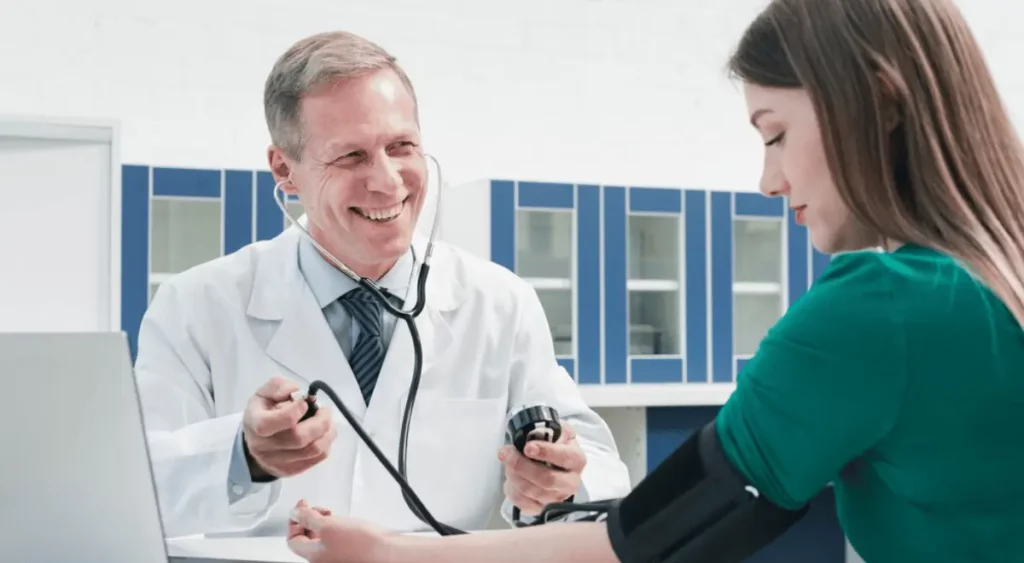
Chronic diseases like diabetes and heart failure are a growing concern, requiring constant attention and personalized care. Managing these conditions can be complex, often involving frequent doctor visits and medication adherence.
Remote Patient Monitoring (RPM), a revolutionary technology is now helping improve how healthcare providers make it easy to manage chronic conditions for their patients.
RPM offers a wide range of benefits, from real-time monitoring to reduced hospitalizations. Let’s understand how RPM is leading the way toward improved chronic care outcomes.
What Exactly Is Remote Patient Monitoring (RPM)?
Ever wondered how doctors keep an eye on patients with chronic conditions beyond checkups? Remote Patient Monitoring (RPM) is essentially a system that allows healthcare providers to track a patient’s health data remotely, offering a more continuous picture.
Here’s how it works:
Data Acquisition: Wireless sensors or wearable devices measure vitals like blood pressure or blood sugar. These devices collect patient health data.
Data Processing: This collected data is then transmitted securely to a central system, like a computer network. Think of it as sending information to a secure storage room.
Communication: Healthcare providers can access this data through a user-friendly platform, giving them real-time insights into the patient’s health. It’s like having a live report card on your health!
The unique feature of RPM is its versatility. It’s not limited to any one age group or condition. It can be customized to monitor specific health parameters, making it a valuable tool for a wide range of patients.
Now let’s quickly understand how RPM is beneficial in chronic care.
How RPM Aids In Chronic Care?
- Real-time Monitoring & Quick Intervention:RPM keeps physicians and patients in the loop with real-time readings of vitals. This allows spotting any health changes quickly and adjusting the treatment plan if needed, without extra visits.
- Hospital at Home:RPM lets patients recover in the comfort of their home while a physician monitors your health remotely. This can be especially helpful for chronic conditions, where staying in a hospital isn’t always necessary.
- Ditches the Appointment Hustle: RPM allows remote monitoring, eliminating unnecessary appointments and saving both physicians and patients with precious time.
- Advanced Medical Tools at Your Fingertips:Think of RPM as a doctor’s toolbox that can be accessed remotely. It provides advanced tools for physicians to diagnose, evaluate, and prescribe the most suitable treatment for a patient’s specific condition.
How RPM is Preventing Health Emergencies?
Chronic conditions can sometimes lead to unexpected emergencies. By allowing proactive monitoring and care management, RPM can help prevent these situations:
- Early Warning System:RPM acts like an early warning system for health. By constantly monitoring patient vitals, it can detect potential problems before they escalate, allowing physicians and healthcare providers to intervene and adjust a treatment plan to prevent complications.
- Cost Savings for Everyone:Reduced hospital stays and emergencies translate to significant cost savings. This benefits both patients (lower medical bills) and the healthcare system (reduced resource strain).
Future of Chronic Care Through the RPM
RPM isn’t just a trend; it’s shaping the future of chronic care! Here’s what else is coming:
- Personalized Plans Based on Your Data:RPM generates a wealth of patient data on vitals, and more. This data will be used to create highly personalized treatment plans, tailoring care to a patient’s specific needs and responses.
- Connected Healthcare System:Think of a seamless information flow between doctors, specialists, other healthcare providers, and patients. RPM will be integrated into a broader healthcare ecosystem, ensuring everyone involved has a complete picture of their health for better care coordination.
- Telehealth Innovation Growing:The future of RPM is brimming with innovation! Advancements in wearables, sensors, and cellular devices will enhance RPM capabilities. Imagine features like predictive analytics that can anticipate potential health issues before they become serious.
- Bridging the Gap in Healthcare Access:RPM can bridge the gap in healthcare access, particularly for individuals in remote areas. Remote monitoring allows them to receive quality care without the limitations of location, potentially reducing healthcare disparities.
Conclusion
Remote Patient Monitoring (RPM) is a boon in the healthcare industry and works hand-in-hand with Chronic Care Management (CCM). It is a significant step towards a future of personalized and efficient chronic care.
If you are ready to improve patient outcomes and boost practice revenue, you can check out HealthArc’s platform for remote patient monitoring and chronic care management. Our unified digital health platform is designed to enhance patient outcomes, drive operational efficiency, and reduce costs for healthcare providers.
Schedule a demo to learn more about our remote patient monitoring platform or call us today at +201 885 5571 to set up a consultation with our experts.
Frequently Asked Questions (FAQs)
What does RPM stand for?
Remote Patient Monitoring (RPM) is a kind of digital health solution that uses connected devices to collect health information from patients, such as heart rate, blood pressure, or blood sugar levels. This information is then transmitted securely to healthcare professionals, who can then monitor and analyze it in real-time.
How does RPM help patients with long-term conditions?
RPM helps patients with chronic conditions by keeping a constant eye on critical health information. This helps to detect changes early on, allowing for immediate clinical action and reducing the need for regular in-person visits. All these factors work together to keep conditions under control and reduce the number of emergencies.
Which long-term conditions can benefit most from RPM?
Patients with diabetes, heart failure, hypertension, and COPD can greatly benefit from RPM because it enables healthcare professionals to track critical health information between visits and adjust treatment plans before things worsen.
Can RPM prevent emergencies and hospital visits?
Yes, because with RPM, healthcare providers can monitor their patients’ vital signs and detect problems early on, thus being able to intervene in time. Issues with chronic illnesses can also reduce the number of visits to the hospital and the ER.
How can RPM help patients take charge of their care?
Patients can take charge of their care with the help of RPM because, with this, patients can see their information, understand their condition, and even do something about their lifestyle and treatment.
Does RPM help people with long-term illnesses save money on healthcare?
Yes, because with RPM, not only do patients save money on healthcare, but their providers can also do the same.
Is RPM safe for everyone?
RPM is flexible and can be tailored to suit the needs of different patients regardless of their age and health state. This is advantageous for many people who have long-term illnesses at home.
How does RPM change the way nurses and doctors care for people with long-term illnesses?
RPM helps medical practitioners have updated and accurate information regarding their patients’ health state. This helps them develop personalized care plans for their patients and adjust their care plans promptly. This leads to improved care and improved outcomes.
What are some new trends in RPM for long-term care?
There are new trends in RPM for long-term care, including new technology that can be used to make care even more personalized and allow people to identify their health state before it deteriorates.
How do providers use RPM data to make decisions about patient care?
RPM helps medical practitioners care for their patients by using a safe and secure way to transmit their vitals to care platforms. This helps doctors analyze the trends and unmet goals and adjust their care plans promptly.

Prateek Haswani
MIT grad with 9+ years in Business Development and Marketing, aiding startups in Sales and Funding.

Categories
Advanced Primary Care Management→AI & Care Coordination→Behavioral Health Integration→Care Management Programs→Chronic Care Management→Digital Health & Software Solutions→General Remote Care Topics→Medication Therapy Management→Pricing & Business Strategy→Principal Care Management→Remote Patient Monitoring→Remote Therapeutic Monitoring→Transitional Care Management→
Related Blog
- February 4, 2026 | Read Time: 16 mins
The Most Common Chronic Diseases and How to Manage Them Effectively
Chronic diseases are one of the biggest problems that healthcare systems around...
Learn More- December 22, 2025 | Read Time: 23 mins
CMS ACCESS is Advancing Chronic Care through Effective, and Scalable Solutions
Introduction: Why Chronic Care Needs a New Model Chronic disease management has...
Learn More- December 20, 2025 | Read Time: 10 mins
Coverage Gaps ACCESS Aims to Fill: What Traditional Medicare Payment Left Behind
Medicare paid for visits but not for care. For a long time,...
Learn More