
dddddd
By Jack Whittaker
| February 26, 2024
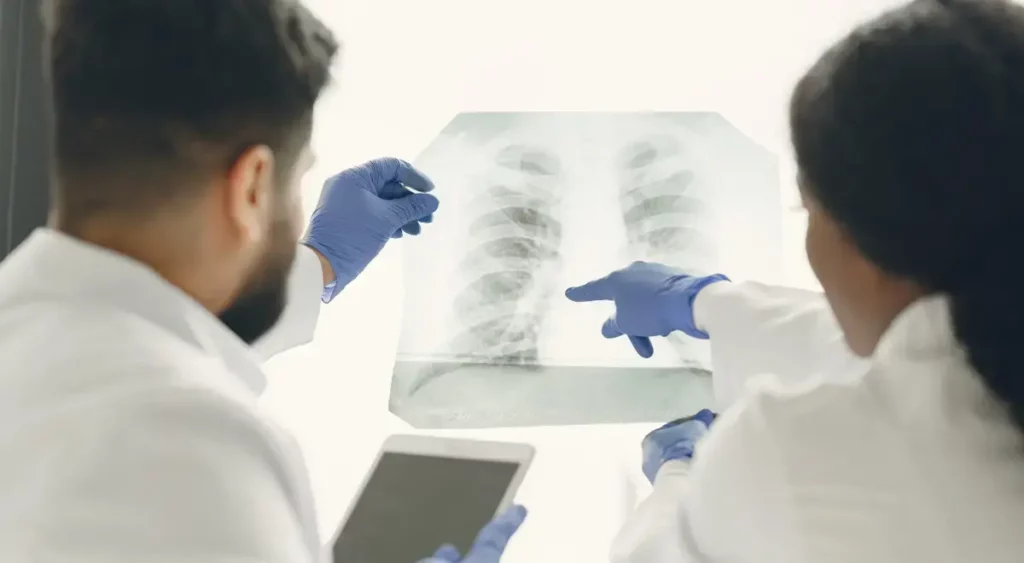
Chronic Obstructive Pulmonary Disease (COPD) is a serious lung problem that makes breathing tough for millions of people around the world. Although there’s no cure yet, catching it early and taking good care can slow down how fast it gets worse and help you feel better. Remote Patient Monitoring (RPM) enhances COPD care; learn more in our Complete Guide to RPM.
RPM lets you check your lungs functioning, like how much air you can breathe in and how much oxygen is in your blood, right from home. This helps doctors and physicians catch any complications early. Studies have found that people using RPM have way fewer surprise trips to the hospital compared to before. This shows that RPM can really help make COPD easier to deal with by giving doctors a better way to manage it over time.
In this blog, we’ll talk about how COPD remote patient monitoring works and why it’s so helpful for patients.
Warning Signs Of COPD
Early symptoms of COPD are often missed, making diagnosis and intervention difficult. Look out for the following signs.
COPD is a set of lung problems that get worse over time and make breathing hard. It’s not something you catch from someone else, and it can often be prevented. COPD is a big health issue and is one of the top causes of death worldwide, affecting about 16 million people in the US alone.
In the beginning, COPD might not show any obvious signs, so a lot of people don’t even know they have it. They just go about their days without realizing anything’s wrong. Most people only go to the doctor when COPD starts causing noticeable problems. But can doctors find COPD early and make it less severe? Luckily, there’s a way called COPD remote patient monitoring that can help spot it early on.
How Remote Patient Monitoring Helps Manage COPD
Spotting COPD early and taking action quickly is super important for keeping patients healthy. Using RPM improves how well physicians can take care of the patients and manage their condition. For patients at risk of COPD flare-ups, RPM can be a lifesaver, catching problems before they get serious. Plus, checking in with remote monitoring devices every day can help both patients and doctors learn more about COPD and come up with a plan that’s just right for each person. Similarly, RPM for heart disease management has shown comparable benefits in reducing emergency visits and enhancing chronic care, underscoring the value of RPM across multiple high-risk conditions.
To manage chronic conditions like COPD well, it’s important to stay ahead of the game rather than waiting for problems to pop up. Here are some important reasons why COPD remote patient monitoring is so helpful:
- It makes healthcare easier and more convenient.
- Doctors can keep an eye on more patients and use their time better.
- It lowers the chance of needing to go to the hospital by focusing on staying healthy.
- It encourages people to make healthier choices in their daily lives.
- It saves money on healthcare overall.
COPD remote patient monitoring helps doctors keep an eye on patients who might be at risk, whether they’re getting long-term care or need help right away. Since COPD symptoms aren’t always obvious, keeping an eye on lungs functioning regularly can help catch problems early and get treatment fast.
Role Of RPM Devices In Managing COPD
Remote patient monitoring lets doctors check up on patients who might be at risk even when they’re not at the doctor’s office. It helps them gather lots of info about patients’ health to make better decisions. These devices can really make a difference in how COPD is managed
- Spirometry
Spirometry is a test that checks how well your lungs are doing by seeing how much air you breathe in and out and how fast you can breathe out. People with COPD can use spirometers at home to help their doctors keep track of their lung health.
Patients need to take a big breath and blow into the spirometer as hard and fast as they can. The doctor can then use the results to see if the patient’s lungs are getting worse or if the treatment is working well. If a healthcare professional see any changes, they can adjust the treatment plan right away.
- Pulse Oximetry
Pulse oximetry is a method to check how well your lungs are working by shining a light on your fingertip to see how much oxygen is in your blood. This helps doctors or physicians understand if your body is getting enough oxygen from your lungs.
For people with mild COPD, it can be hard to notice when their oxygen levels drop dangerously low. But by using a pulse oximeter, doctors can keep an eye on these levels. If the oxygen saturation in your blood goes below 90%, the monitoring system will let your doctor know right away so they can help you quickly.
- Remote Peak Flow Monitoring
At-home peak flow meters are like devices that measure how fast you can breathe out. They connect to your phone or computer using Bluetooth or cellular technology. A recent study found that most people using these meters were able to do their breathing tests regularly.
The data from these tests gets sent securely to the doctor’s computer, where they can keep track of how you’re doing. Some meters even send the results automatically, making it easier for you and your healthcare provider to stay connected.
Key Takeaways
The way doctors handle COPD has changed a lot with remote patient monitoring. Now, they can keep an eye on patients’ health all the time by checking things like breathing and oxygen levels. This helps them catch any problems early and stop patients from needing to go to the hospital.
Remote monitoring also saves money and makes managing COPD easier and more accurate. Plus, it gives patients more control over their health. All these good things mean that remote monitoring is really important for COPD care. And as technology gets better, it will only help more COPD patients feel better and stay healthier.
Boost your COPD care with HealthArc’s advanced RPM clinical software and digital health platform focused on smooth patient transition, seamless communication, and enhanced overall patient engagement, ensuring optimal outcomes for both patients and healthcare providers.
Request a free demo or feel free to talk to our team at +201 885 5571 to learn how we can help you manage your COPD symptoms with RPM.
Frequently Asked Questions (FAQs)
What is COPD, and why does it need to be treated all the time?
Chronic Obstructive Pulmonary Disease (COPD) is a lung disease that gets worse over time and makes it hard to breathe. It’s essential to continue getting care because symptoms can change over time. If you catch signs that things are getting worse early, you can stop serious problems from happening.
What is isRPM, or Remote Patient Monitoring?
RPM uses digital tools and connected devices to collect health data from patients, for example, their oxygen saturation or breathing patterns. The system securely transmits this data to healthcare providers, enabling them to monitor the patient’s condition even when they are not present in the clinic.
How can RPM enhance the care provided to individuals with COPD?
RPM enables physicians to monitor health data in real time. This allows for the early detection of a patient’s deterioration, immediate response, rapid adjustment of treatment regimens, and the potential prevention of unneeded emergency room visits or hospital admissions.
What kind of information do individuals with COPD often monitor?
Physicians frequently utilize oxygen saturation (SpO₂), respiratory rate, heart rate, activity levels, and symptom reports to assess the progression of a patient’s condition.
Does RPM prevent those with COPD from requiring hospitalization?
Indeed, RPM can diminish both the frequency and severity of hospital admissions associated with COPD by identifying early warning indicators and enabling timely therapeutic intervention.
In what ways does RPM empower individuals with COPD to assume greater control over their healthcare management?
RPM facilitates patient engagement in their healthcare by providing personalized feedback, monitoring health changes, and simplifying communication with their care team.
In what manner does RPM facilitate the coordination of care for COPD patients?
RPM collects all of a patient’s information and lets care teams know if there are any changes that need more attention. This guarantees the alignment of physicians, nurses, and care coordinators, enabling them to respond promptly when needed.
Can RPM assist individuals with COPD in reducing their healthcare expenses?
Indeed, RPM can reduce the utilization of healthcare resources, emergency department visits, and hospital readmissions, hence, decreasing expenses.
How does RPM help make sure that COPD care is well-coordinated?
RPM gathers all of a patient’s information and lets care teams know when something changes that could need further attention. This makes sure that nurses, doctors, and care coordinators all know what’s going on and can respond swiftly when they need to.
Can RPM help individuals with COPD pay less for their medical care?
Yes. RPM can save expenses by cutting down on the utilization of healthcare services, trips to the emergency room, and hospital readmissions.
How does RPM help keep COPD care organized?
RPM collects all of a patient’s information and alerts care teams when something changes that might need more attention. This ensures a shared understanding among doctors, nurses, and care coordinators, enabling prompt action when necessary.
Can RPM help people with COPD pay less for their health care?
Yes. RPM can help people use fewer healthcare resources, go to the emergency room less often, and stay in the hospital less often, which can save money.
Do people with COPD need special tools to do RPM?
Patients usually use simple tools like pulse oximeters and sensors that they wear on their bodies to send data to a platform that is connected to the internet. These tools are easy to use and don’t get in the way.
Who benefits the most from RPM when it comes to taking care of COPD?
People with moderate to severe COPD, frequent flare-ups, or those at risk of hospitalization benefit most from RPM as it enables doctors to monitor their condition and provide timely medical assistance.

Jack Whittaker
Sales leader and high level Operator with a demonstrated history of working in the hospital & health care industry.

Categories
Advanced Primary Care Management→AI & Care Coordination→Behavioral Health Integration→Care Management Programs→Chronic Care Management→Digital Health & Software Solutions→General Remote Care Topics→Medication Therapy Management→Pricing & Business Strategy→Principal Care Management→Remote Patient Monitoring→Remote Therapeutic Monitoring→Transitional Care Management→
Related Blog
- March 12, 2026 | Read Time: 17 mins
Common Conditions Monitored with Remote Patient Monitoring (RPM)
Just imagine an advanced healthcare system that tracks and analyze your health...
Learn More- February 20, 2026 | Read Time: 12 mins
How Remote Patient Monitoring Helps in Mental Health Care Conditions
There is a structural change happening in mental health care. In recent...
Learn More- February 13, 2026 | Read Time: 8 mins
CPT 99445 and 99470: Complete 2026 Guide to Short-Window RPM Billing with HealthArc
CPT 99445 and CPT 99470 are transforming how practices bill for Remote...
Learn More