
dddddd
By Jack Whittaker
| February 23, 2024
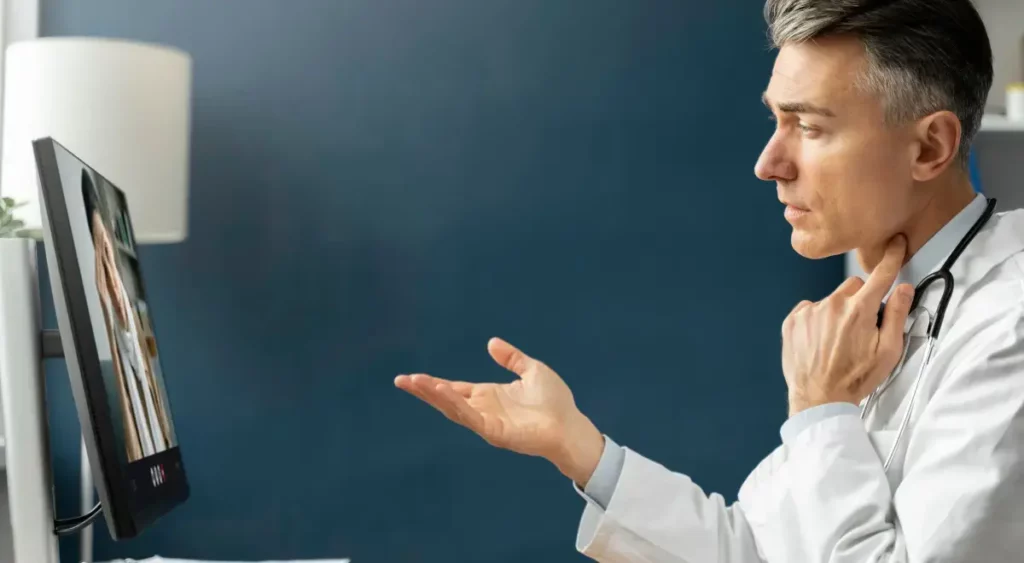
In the US, arthritis is one of the main causes of disability, according to the Centers for Disease Control and Prevention (CDC). Arthritis is a chronic condition where one or more joints become inflamed, causing restriction in movement, pain, and discomfort. Rheumatoid Arthritis and Osteoarthritis are the two most prevalent types of arthritis.
Rheumatoid Arthritis (RA) has the potential to significantly lower quality of life. Medication, physical rehabilitation, and surgery are among the forms of treatment available to treat RA.
One in four persons with rheumatoid arthritis complains of excruciating joint pain. As people age, arthritis becomes more common; approximately 50% of those over 65 years of age reported having a doctor’s diagnosis of arthritis.
Challenges In Rheumatoid Arthritis (RA) Treatment
Rheumatoid arthritis is often difficult to treat or manage. Treatment efficacy can be impacted by known variables such as auto-antibody production, joint erosion, genetics, comorbidities, extra-articular symptoms, and pregnancy.
RA symptoms tend to change over time. Since patients visit their clinicians or healthcare providers every three to six months, and frequently, they often don’t remember reporting any symptoms they experienced in between the appointments.
Digital technology, such as Remote Patient Monitoring (RPM) gives clinicians and patients the ability to report their symptoms and vitals to create more efficient treatment programs. It is essential for patients to evaluate their disease progression to seek the right treatment that puts them in an acceptable range on the 28-joint disease activity score (DAS28).
Importance Of Remote Patient Monitoring In Rheumatoid Arthritis
By offering more frequent monitoring, improved communication, and data-driven treatment, remote patient monitoring has the potential to enhance the outcomes of rheumatoid arthritis management. Patients with RA may benefit most from remote patient monitoring for a number of reasons, including:
- Regular Monitoring: RPM makes it possible to check on a patient’s condition and symptoms more frequently, thereby preventing them from getting worse. Patients with long-term illnesses like arthritis should pay particular attention to frequently monitoring their condition to lessen joint deterioration and enhance treatment results.
- Convenience: RPM is quite convenient and ensures routine monitoring without visiting a healthcare practitioner in person. This can be useful for remotely living patients who find it difficult to go to a clinic because of arthritis pain or lack of transportation.
- Better Communication: Communication is crucial between the patient and the provider, especially for rheumatoid arthritis. RPM allows real-time communication between patients and healthcare providers, which enhances patient involvement and guarantees that they’ll receive the care they require.
- Data-Driven Treatment: RPM stores and reports a lot of data that can be utilized to make the right treatment decisions and lifestyle modifications to eliminate arthritis pain. Regular data-driven monitoring allows patients to receive the best care possible.
- Cost-Effective: Since RPM eliminates the need to travel to appointments and helps avoid needless hospital stays or other expensive interventions, it is often less expensive than standard in-person visits.
How RPM Helps Manage Rheumatoid Arthritis?
In order to receive the finest care possible, remote patient monitoring for rheumatoid arthritis should be carried out in conjunction with a healthcare provider who understands a patient’s chronic condition in a better way and provides customized treatment.
Here are a few scenarios in which RPM might be helpful:
- Your doctor can evaluate any swollen joints via a video call and decide if you need to get examined in person.
- Regularly keeping an eye on symptoms can help patients with chronic arthritis diagnose any underlying problems before they worsen.
- In order to evaluate the disease’s progression and track medication response, patients with RA need to get their variables monitored frequently, including inflammation, joint discomfort, and physical activity levels.
- RPM can help arthritis patients in measuring their symptoms like pain and inflammation, along with tracking how well they are responding to the medication.
- RPM can be used to track a patient’s recovery and identify any possible issues following joint replacement surgery or other minor or major operations.
- It could be challenging for patients with mobility issues to travel to a clinic for in-person appointments. By allowing a healthcare provider to monitor patients virtually, RPM can save them from having to go to doctor appointments.
- Patients in remote locations, where access to healthcare providers may be limited, might benefit from remote patient monitoring.
Manage Rheumatoid Arthritis With HealthArc’s RPM Solutions
HealthArc provides access to digital health platforms to help clinicians and patients manage rheumatoid arthritis symptoms. With our RPM system, patients can log their appointments, get prescriptions, and mention symptoms to help a healthcare provider formulate the right medication.
Our goal is to transform the way virtual healthcare is delivered, along with elevating patient experience, clinical results, health outcomes, and data security. Our RPM platform benefits both patients and healthcare providers with notable gains in patient outcomes, symptom management, and lower expenses.
Our software enables real-time contact between patients and medical professionals, which can enhance patient involvement and ensure that patients receive the care they deserve. Not only this, patients can receive routine monitoring for rheumatoid arthritis without having to physically contact a healthcare provider.
Use HealthArc’s remote patient monitoring system to take charge of your health. Call us at +201 885 5571 to find out if RPM is the correct option for you or schedule a free demo right now.
Frequently Asked Questions (FAQs)
What does “RPM” stand for?
Using digital tools and connected devices, Remote Patient Monitoring (RPM) sends doctors information about a patient’s pain, activity, and joint movement. You don’t have to go to the doctor’s office to get care.
How can RPM help people who have Rheumatoid Arthritis (RA)?
With RPM, doctors can see symptoms and changes in function right away, catch flare-ups early, change treatment plans quickly, and stay in touch with patients on a regular basis. These things make living with the disease easier and lower the risk of problems.
What kinds of information does RPM keep track of for people who have RA?
For RA, RPM can keep track of how much pain, stiffness, fatigue, mobility, and distance patients have. This gives doctors useful information that they can use when you’re not there.
Can RPM help stop RA from getting worse?
Yes. This is because it can help doctors identify any possible flare-ups in time. This will give doctors an opportunity to stop it by changing their medication or talking to some people.
How does RPM help doctors and patients talk about how to treat RA?
Patients can use RPM to send information about how their condition is improving or worsening. This will help doctors give feedback immediately if they need to change their medication or talk to some people. These features will help us talk better and answer each other better.
Does RPM help people with rheumatoid arthritis (RA) have more control over their disease?
Definitely yes. This is because it will give people with RA the power they need to help them keep track of their condition. The program will encourage people with RA to keep track of their condition by taking better care of themselves.
Is RPM good for everyone with RA?
Many people with RA can benefit from RPM, especially those who have moderate to severe symptoms, have flare-ups often, or have trouble getting to regular in-person visits. Whether they are a good fit depends on their needs, how easily they can get technology, and their doctor’s opinion.
Can RPM help lower the cost of treating RA?
Yes. RPM can help cut costs by keeping people from going to the clinic or the emergency room when they don’t need to, finding problems before they get worse, and making it easier to get follow-up care. This makes it cheaper and easier to treat RA.
What kind of technology do people with RA need to use RPM?
Patients usually need a smartphone or tablet. They can also use wearables or apps that keep track of their symptoms or movements. You can use all of these things at home.
How do doctors use RPM data to decide how to treat RA?
Doctors look at trends in RPM data to see how symptoms change over time. This helps them decide when to switch medications or therapies and how to plan care based on what patients have actually gone through. This makes treatment more personalized and flexible.

Jack Whittaker
Sales leader and high level Operator with a demonstrated history of working in the hospital & health care industry.



Categories
Advanced Primary Care Management→AI & Care Coordination→Behavioral Health Integration→Care Management Programs→Chronic Care Management→Digital Health & Software Solutions→General Remote Care Topics→Medication Therapy Management→Pricing & Business Strategy→Principal Care Management→Remote Patient Monitoring→Remote Therapeutic Monitoring→Transitional Care Management→
Related Blog
- March 12, 2026 | Read Time: 17 mins
Common Conditions Monitored with Remote Patient Monitoring (RPM)
Just imagine an advanced healthcare system that tracks and analyze your health...
Learn More- February 20, 2026 | Read Time: 12 mins
How Remote Patient Monitoring Helps in Mental Health Care Conditions
There is a structural change happening in mental health care. In recent...
Learn More- February 13, 2026 | Read Time: 8 mins
CPT 99445 and 99470: Complete 2026 Guide to Short-Window RPM Billing with HealthArc
CPT 99445 and CPT 99470 are transforming how practices bill for Remote...
Learn More