
dddddd
By Jack Whittaker
| June 23, 2022
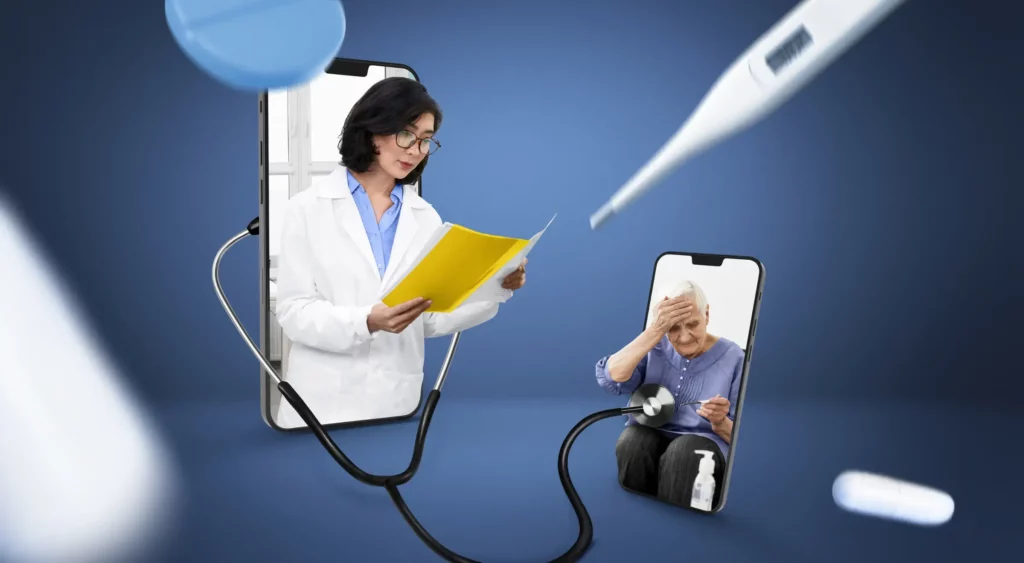
Remote patient monitoring in healthcare allows practices to monitor, gather and analyze the data of patients and electronically transmit the data to the healthcare providers for assessment and helping with treatments. Remote Patient Monitoring technology is a one-way delivery system to transfer the data between patients and clinicians.
Widespread Benefits of Remote Patient Monitoring Technology
Chronic conditions need constant monitoring and attention. Check out the below points to understand why you use remote patient monitoring in your practice for better efficiency.
Weight Management for any Heart Failure
One of the most critical health problems for people in America is obesity. Obesity causes heart diseases, high blood pressure, and a few types of cancer. The good news is, with remote patient monitoring in healthcare, cardiologists can assist patients by providing them with proper advice to help them in reducing their weight.
Asthma Management for Asthmatic Patients
Asthma is incurable but is treatable. With remote patient monitoring, pulmonologists can easily track the activities of asthmatic patients and can prescribe them medications and respiratory exercises.
Glucose Monitoring
For diabetic patients, measuring the changes in blood sugar levels is essential. Through remote patient monitoring, it becomes easier to note the fluctuations between high and low blood sugar levels for a clear picture of patients’ diabetes management.
What Are Some Helpful Remote Patient Monitoring Devices?
1. Remote Blood Pressure Monitor Cuff
It is an easy-to-use remote patient monitoring device that helps patients calculate their heart rate and track their blood flow data to transfer it safely to their physicians. This device is mainly used for heart-related chronic conditions patients.

2. Remote Pulse Oximeter
A remote patient monitoring device helps patients track blood oxygen flow in their red blood cells. It is a device used for asthma and pneumonia patients.

3. Remote Blood Glucose Meter
It is a remote patient monitoring device that helps measure the fluctuations rate in the blood sugar level of a patient. It is a device used for patients who have diabetes.

4. Thermometer
It is a remote patient monitoring device that helps check the patients’ body temperature remotely. Physicians keep track of patient body temperature changes for better treatment.

5. Remote Weight Measuring
For patients suffering from weight-related chronic conditions, this remote patient monitoring device is very useful for measuring and tracking their weight changes. It is a device that helps patients suffering from obesity track their weight and be safe from diabetes, heart-related problems, and some types of cancer.

Also Read: Remote blood pressure monitoring: A simple (but complete) guide
Key Components of Remote Patient Monitoring System
Remote Patient Monitoring Devices
The practices require remote patient monitoring devices to track the required health-related data to provide the patients with proper care.
Remote User-Access Portal
The data collected from the Remote Patient Monitoring devices will be useless if the practices cannot view the data on the access device. A connection device linked with the remote patient monitoring device is required to access the patients’ data for different processes.
Remote Software
Though hardware devices are necessary for the practices, the remote patient monitoring device and remote user-access portal require good software to make the patients’ data understandable.
Benefits of Remote Patient Monitoring For Your Practice
Improved Patients’ Self-Management
With the easy-to-use remote patient monitoring devices and chronic care patients’ engagement to get educated on how to access the devices to keep track of their health efficiently, it got easier for the practices to give proper chronic care.
Improved Data Driven Decision-Making
With remote patient monitoring in healthcare, physicians can make important decisions on patients’ chronic conditions with the help of patients’ clinical data. And offer them good care.
Reduction in Cost for both Patient and Practice
Remote patient monitoring in healthcare has had a good effect on reducing unnecessary hospital readmissions. Remote patient monitoring helps reduce the high costs of care for non-needful services, enabling monitoring of patients in their homes.
Increase in Net Revenue Costs for Practices
Due to the cost of a reduction in non-needful services, remote patient monitoring enables more opportunities for the practices to increase their net patient revenue by facing their competition and settling their other costs.
Prevents the Spread of Infectious Diseases and other Hospital Infections
With the help of remote patient monitoring, there is no need for patients to visit hospitals daily. This helps contain the spread of hospital infections, mainly for serious or contagious conditions.
More Referral Opportunities
Remote patient monitoring leads to more referrals for the practices providing good care for the patients with chronic conditions. It will benefit them for their competitive advantage, increase in new admissions, and patient retention.
Clinical Staff Shortages
Remote patient monitoring enables clinicians to monitor the patients from anywhere and handle the shortage or unavailability of the appropriate support staff.
Future of Remote Patient Monitoring in Healthcare
During the Covid-19 pandemic, remote patient monitoring became popular for keeping a track record of patients’ healthcare virtually, even though those were the times when physical visits of the patient were impossible for the physicians.
With the help of remote patient monitoring, we have come very far in terms of technology up-gradation for virtual healthcare, competitive advantage, and revenue generation. Now, patients with chronic conditions are willingly engaged in tracking their health-related activities for better chronic care decisions.
The improvement in the medical solutions has resulted in more effective medical results by the practices for their patients.
With the increase in remote patient monitoring technology, health practices will get more flexible to provide the patients with a good treatment for their well-being.
And now, after the covid-19 pandemic, remote patient monitoring is still frequently practiced by clinicians and patients, resulting in better care management. But both clinician and patient should be aware of the technological innovations which happen on a timely basis.
Benefits of HealthArc Remote Patient Monitoring
Improved Patient Outcomes
HealthArc’s remote patient monitoring technology helps clinicians monitor patients’ chronic care data efficiently with the help of remote patient monitoring devices, leading to better patient healthcare results.
Generating Additional Revenue
HealthArc’s remote patient monitoring method helps practices gain additional revenue by compensating less due to reduced readmissions.
Standards of Privacy
HealthArc ensures an adequate security standard for data acquired through remote patient monitoring. HealthArc team ensures an integrated approach of security with the practices, patients, and all the third parties involved.
Improve your Practice Revenue with HealthArc – Remote Patient Monitoring
With HealthArc remote patient monitoring technology, 100 practices have gained 120K USD additional revenue. You can improve your practice revenue with HealthArc’s remote patient monitoring device.

Quick Facts about Remote Patient Monitoring
Remote Patient Monitoring is a Valuable Resource
Remote patient monitoring is a valuable resource for medical practices. Due to covid-19, this method became a profit gainer for the practices. Remote patient monitoring not only reduces the compensation rates at the time of readmissions but also reduces the cost of chronic care management.
Remote Patient Monitoring experiences a good Adaptability Rate
After the pandemic, it is again back to on-practice service providers. Remote patient monitoring has become a perfect solution for post-operative care at home for patients with chronic conditions.
Remote Patient Monitoring builds a Healthy Relationship
Remote patient monitoring is not only a technology used to monitor good health but also builds a healthy relationship between the patients and service providers, complementing real interactions through virtual counseling sessions.
FAQ
What does Remote Patient Monitoring (RPM) mean in healthcare?
Remote Patient Monitoring (RPM) is a digital healthcare method that lets providers keep an eye on patients’ health data from a distance using medical devices that send physiological information like blood pressure, glucose levels, oxygen saturation, and body temperature outside of traditional clinical settings.
Why do people think that Remote Patient Monitoring is the future of healthcare?
RPM makes it possible to keep an eye on patients between clinical visits, which helps the shift from reactive treatment to proactive and preventive care. Providers can find health risks earlier, better manage chronic diseases, and cut down on hospital stays with real-time patient data insights.
In the next few years, how will RPM change how healthcare is delivered?
To provide care outside of hospitals and clinics, future healthcare delivery models will rely more and more on remote monitoring. RPM makes it possible for people to get care at home, keep an eye on their health from afar, and stay in touch with their doctors all the time. This helps healthcare systems handle more patients while also making it easier for people to get care.
What medical conditions will future RPM programs help the most?
People with chronic conditions like diabetes, high blood pressure, asthma, heart disease, COPD, and recovery from surgery use RPM a lot. Continuous monitoring helps doctors keep an eye on how a disease is getting worse and make treatment plans that are more tailored to each patient.
How will wearable technology change the future of RPM?
Wearable technology has come a long way. Now, patients can use sensors that don’t hurt and connected devices to keep an eye on their vital signs all the time. These new technologies make things easier for patients and give healthcare providers accurate, up-to-date health information that helps them make better clinical decisions.
Will AI be used in Remote Patient Monitoring in the future?
Yes. AI and predictive analytics are expected to make RPM better by looking at a lot of patient data, finding health trends, and sending out early risk alerts. Doctors will be able to step in before problems happen.
What does RPM do to help people get better?
When you keep an eye on your health all the time, it’s easier to find problems early, change your treatment quickly, and stick to your medication schedule. All of these things make patients’ long-term health and quality of life better.
Can keeping an eye on patients from afar help cut healthcare costs?
RPM lowers the cost of healthcare by making sure that people don’t go to the hospital unless they really need to. This means fewer emergency visits and the ability to manage patients from a distance instead of having to see a doctor every time.
How will RPM contribute to the development of hospital-at-home and virtual ward programs?
RPM’s technology makes it possible for hospital-at-home and virtual ward programs because it lets doctors keep an eye on patients from a distance while still giving them the same level of care as they would in person.
How does RPM help people in rural or underserved areas get health care?
Remote monitoring removes geographic barriers by allowing patients to receive continuous care without extensive travel. This makes it easier for them to see specialists and get regular medical care.
What issues need to be fixed so that RPM can grow in the future?
Some of the biggest problems are privacy issues with data, making sure devices work with each other, getting patients to use the systems, and dealing with the huge amounts of health data that monitoring systems create. These problems need to be fixed so that a lot of people will use RPM.
Conclusion
Remote patient monitoring allows the practices to get a full picture of patients’ chronic conditions and symptoms by making the providers perform their job efficiently.
At present, healthcare centers have become more patient-centric, the main reason for remote patient monitoring becoming an important method to be used by healthcare for their patients.
Schedule a demo today to learn more about billing and reimbursement principal care management CMS CPT codes.

Jack Whittaker
Sales leader and high level Operator with a demonstrated history of working in the hospital & health care industry.


Categories
Advanced Primary Care Management→AI & Care Coordination→Behavioral Health Integration→Care Management Programs→Chronic Care Management→Digital Health & Software Solutions→General Remote Care Topics→Medication Therapy Management→Pricing & Business Strategy→Principal Care Management→Remote Patient Monitoring→Remote Therapeutic Monitoring→Transitional Care Management→
Related Blog
- April 2, 2026 | Read Time: 16 mins
Role of Remote Patient Monitoring in CMS Access Model Programs
Modern day healthcare system is focused on in-home or remote monitoring and...
Learn More- March 12, 2026 | Read Time: 17 mins
Common Conditions Monitored with Remote Patient Monitoring (RPM)
Just imagine an advanced healthcare system that tracks and analyze your health...
Learn More- February 20, 2026 | Read Time: 12 mins
How Remote Patient Monitoring Helps in Mental Health Care Conditions
There is a structural change happening in mental health care. In recent...
Learn More