
dddddd
By Jack Whittaker
| March 2, 2024
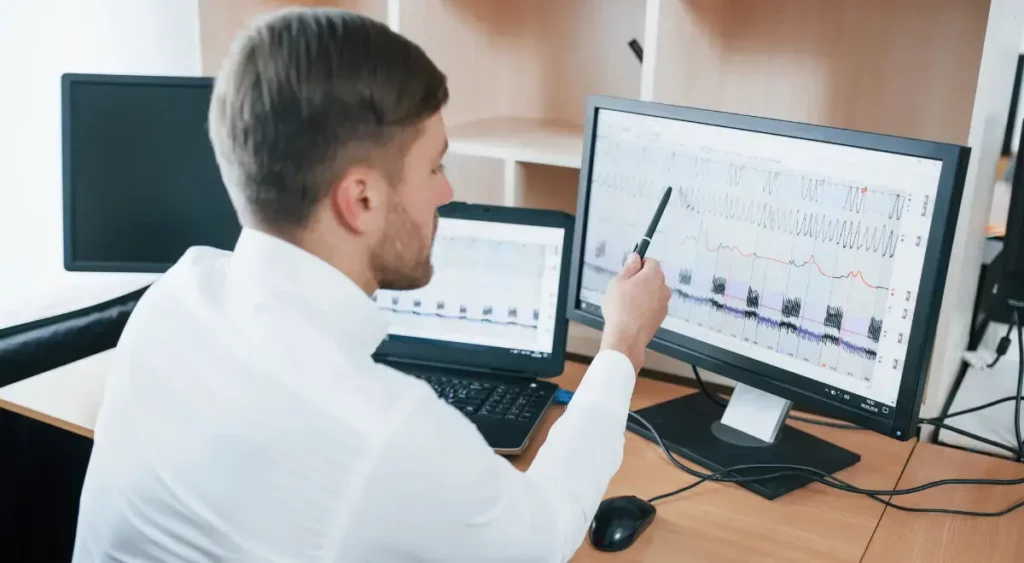
In the past few years, healthcare has undergone several technological advancements to make it more accessible and efficient, especially when it comes to better patient engagement and treatment outcomes.
One such advancement is Remote Patient Monitoring (RPM) which has taken healthcare a level up. RPM programs are designed to collect real-time data on a patient’s health status and progress over time and share it with physicians and qualified healthcare professionals. RPM leverages its data reporting functionality and other targeted features to deliver predictive analysis.
With predictive analytics, physicians can analyze the trends and patterns that can help adapt individualized care plans to each patient’s specific needs. Remote monitoring and predictive analytics together ensure that patients receive efficient care and treatment outcomes.
Predictive Analysis In Remote Patient Monitoring
Predictive analytics uses data, artificial intelligence, and machine learning to predict medical events, improve patient care, optimize resource management, and lower costs. To help make more informed decisions, healthcare providers use historical and real-time data to make more informed decisions and take preventative steps.
In remote patient monitoring, both real-time data monitoring and predictive analysis play a crucial role in innovating healthcare, enhancing treatments, and providing proactive care.
Role Of RPM & Predictive Analysis In Early Detection of Health Conditions
Remote Patient Monitoring (RPM) programs utilize cellular-enabled devices, wearable sensors and smart home monitors to collect and transmit a patient’s health data to a software platform. This data is then made accessible to physicians for early detection of any potential health issues. This proactive approach ensures:
- Identification of At-Risk Patients
- Near Real-Time Alerts
- Healthcare Cost Savings
- ImprovedQuality Of Life
- Recording & Analyzing Health Vitals
- Effective Intervention
Role Of RPM & Predictive Analysis In Formulating Personalized Care Plans
Personalized care plans play a significant role in improving patient outcomes and improving care delivery efficiency in healthcare systems. When it comes to remote patient monitoring, the combination of personalized care plans and predictive analytics formulate a remarkable approach to patient-centered health outcomes and help save money on unnecessary hospitalizations and emergency room visits. Here are a few aspects to consider when formulating a care plan in collaboration with RPM and predictive analysis:
- Collect near real-time patient data
- Integrate RPM data with electronic health records
- Calculate the patient’s risk score
- Develop personalized care plans
- Generate alerts and notifications
- Proactive response and plan adjustments
Role Of RPM & Predictive Analysis in Resource Allocation
Predictive analysis is critical for resource allocation in RPM programs, especially in healthcare cases with a large number of patients. By following advanced analytical techniques, healthcare providers can more efficiently allocate resources, identify high-risk patients, and prioritize interventions. Some of the aspects to consider when allocating resources via RPM and predictive analysis include:
- Risk stratification to identify low-risk and high-risk patients
- Understand the risk level of each patient
- Provide insights into health issues before they deteriorate
- Prioritize alerts by assessing their clinical significance
- Streamline clinical workflows in a prioritized manner
- Manage the patient load effectively
- Refine risk assessment algorithms and care protocols
Role Of RPM & Predictive Analysis in Medication Adherence
Predictive analysis can help improve medication adherence and forecast adverse events in RPM programs. Healthcare professionals can improve patient adherence to pharmaceutical regimens and anticipate probable adverse events by employing modern data analysis and machine learning algorithms, including:
- Personalized Adherence Plans
- Alerts and Reminders
- Early Non-Adherence Detection
- Behavioral Interventions
- Outcome Forecasting
Role Of RPM & Predictive Analysis in Population Health Management
Predictive analysis in collaboration with RPM plays a pivotal role in population health management in remote monitoring programs. Healthcare providers can enhance patient care by harnessing data-driven insights and advanced modeling techniques, including:
- Preventive Strategies
- Chronic Disease Management
- Quality Improvement
- Patient Engagement
Role Of RPM & Predictive Analytics In Reducing Hospital Readmissions
Predictive analysis is crucial in lowering hospital readmissions in RPM programs. By integrating data-driven insights and predictive models, healthcare practitioners can identify patients at high risk of readmission and conduct targeted treatments to avert costly and potentially needless hospital visits. To reduce hospital readmissions, RPM & predictive analytics focuses on:
- Early Identification of High-Risk Patients
- Personalized Interventions
- Proactive Approach
- Care Coordination
- Continuous Improvement
Elevate Patient Care With HealthArc’s Industry-Leading RPM Programs
HealthArc’s digital health platforms transform remote patient monitoring and chronic care management by providing high-risk chronic patients with continuous and proactive care. HealthArc is HIPAA-compliant and has FDA-approved devices to assure the highest levels of compliance and security to facilitate care coordination and predictive analysis.
Schedule a demo to learn more about our remote patient monitoring programs or call us today at +201 885 5571 to set up a consultation with our experts.
Frequently Asked Questions (FAQs)
What does it mean to combine RPM with CCM?
Integrating Remote Patient Monitoring (RPM) with Chronic Care Management (CCM) means combining structured care coordination with ongoing health data collection to better manage chronic conditions.
How does RPM help with CCM workflows?
RPM sends real-time patient health information, like blood pressure and blood glucose levels, to the CCM care plan. This lets doctors keep an eye on trends, make changes when needed, and step in sooner, which leads to better overall chronic care outcomes.
What long-term health problems can be helped by combining RPM and CCM?
People with long-term illnesses like diabetes, high blood pressure, heart failure, COPD, and others benefit the most from continuous monitoring and coordinated care because they help keep complications from happening and cut down on hospital readmissions.
How does the integration of RPM and CCM enhance patient engagement?
When the RPM data is integrated with CCM, the patients get constant reminders and feedback that encourage them to be more engaged in their care and manage their health better.
Does the integration of RPM and CCM assist in reducing costs for healthcare?
Yes, the RPM + CCM model can reduce costs for healthcare by reducing hospital visits and improving the continuity of care.
Can RPM and CCM be billed together?
Yes. It is possible for the two programs to be billed together, as long as the programs meet the individual requirements for the amount of time spent on the programs, as well as the documentation requirements, and the programs are medically necessary for the patient.
What are the clinical workflow benefits of integrating these programs?
The benefits of integrating the two programs include the automation of data collection, reduction of manual documentation, improved care coordination, as well as the ability of the clinician to have a complete view of the patient’s status.
How does this integration make the health outcomes better?
Through keeping an eye on the health data at all times and taking care of things such as changing medications or following through on care plans, the integrated approach can make diseases less severe, fewer emergencies, and improve the quality of life.
What is the role of technology in integrating RPM and CCM?
The use of technology that securely retrieves and shares RPM data with care teams facilitates the integration of RPM and CCM.
What should practices consider before implementing RPM + CCM together?
To get the best care and payment for both RPM and CCM services, practices should think about whether they have a compliant digital platform, clinical protocols, trained staff, and documentation processes that meet billing requirements.

Jack Whittaker
Sales leader and high level Operator with a demonstrated history of working in the hospital & health care industry.


Categories
Advanced Primary Care Management→AI & Care Coordination→Behavioral Health Integration→Care Management Programs→Chronic Care Management→Digital Health & Software Solutions→General Remote Care Topics→Medication Therapy Management→Pricing & Business Strategy→Principal Care Management→Remote Patient Monitoring→Remote Therapeutic Monitoring→Transitional Care Management→
Related Blog
- February 20, 2026 | Read Time: 12 mins
How Remote Patient Monitoring Helps in Mental Health Care Conditions
There is a structural change happening in mental health care. In recent...
Learn More- February 13, 2026 | Read Time: 8 mins
CPT 99445 and 99470: Complete 2026 Guide to Short-Window RPM Billing with HealthArc
CPT 99445 and CPT 99470 are transforming how practices bill for Remote...
Learn More- January 24, 2026 | Read Time: 15 mins
Care Gaps in Healthcare: What They Mean, and How to Close Them Faster
There has always been a lot of data in healthcare. The challenge...
Learn More