
dddddd
By Sudeep Bath
| November 11, 2022
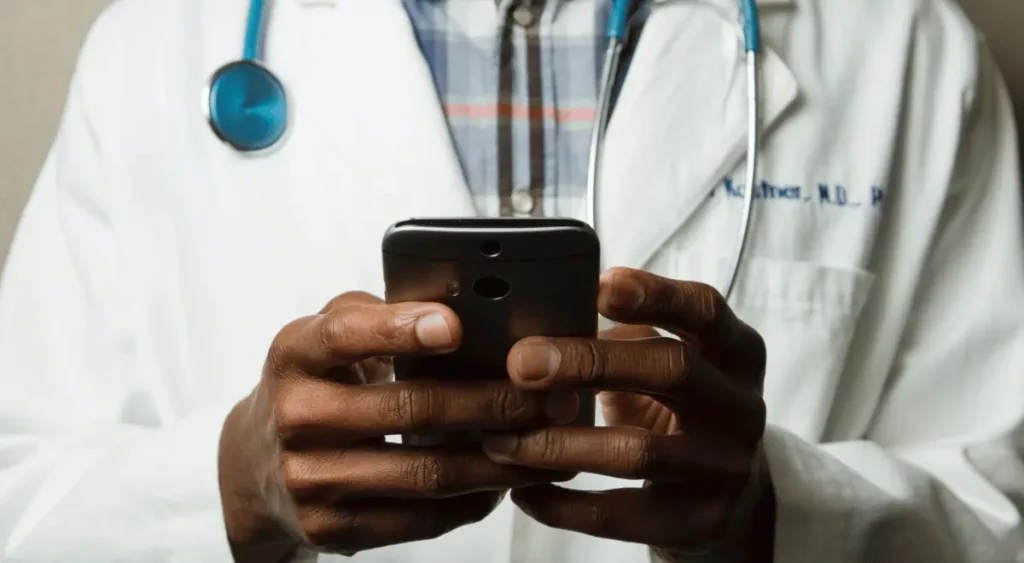
In the healthcare sector, technologies are evolving rapidly. Care professionals now have access to patient data thanks to software developed for virtual healthcare, which streamlines the entire diagnostic procedure.
Physicians who effectively manage patient data using healthcare software are better equipped to offer high-quality care with reduced costs and time. But why is healthcare software the answer to the issues patients and the care team face?
The article highlights all the essential ways that healthcare providers use to monitor patients remotely using digital health software.
7 ways care providers can take care of patients with digital health software:
Healthcare facilities are developing a variety of healthcare software that integrates smoothly into current workflows. Soon, these trends should be considered when developing advanced virtual health monitoring systems.
The proper planning and execution of digital health applications will ensure the caliber of healthcare services, gain positive patient experience, and enhance treatment processes while lowering associated costs.
Below are the ways mentioned to use the healthcare platform to provide care to patients:
1. Task Management
The care team utilizes the software to provide patients with the proper care rather than investing more in administrative duties or filing paperwork. Automating the process enables healthcare providers to reduce time, save money and offer better assistance to enhance their healthcare outcomes.
2. EHR Integration
Physicians digitally collect the patient’s health-related data through the EHR (Electronic Health Record) system, which includes the patients’ administrative and clinical data, such as medications, allergies, medical insurance, and demographics.
3. Managing multiple chronic conditions simultaneously
Clinicians remotely monitor patients suffering from two or more chronic conditions like diabetes and hypertension. The digital health application helps to respond promptly when the patient’s data shows they need treatment by their care providers.
4. Seamless care
Digital health software for patient care helps healthcare facilities manage several operations, including communication, enhanced diagnostics, and higher-quality medical care.
5. Easy scheduling
Patients schedule appointments efficiently from their comfort zones. With the help of the patient care platform, physicians send appointment reminders and follow-up emails to stay connected with the patients. Healthcare software lifts the burden off the care teams from online scheduling to easy billing.
6. Interaction capabilities
With the use of digital health softwares, clinical providers and patients can communicate via audio/video calls, in-App messaging, SMS, and more.
7. Generate referrals
Patients with a positive experience with your healthcare facility will most likely refer your care facility to their family and friends. Digital health software tracks the patient’s referral to know their feedback.
Ensure a good care treatment for your patient with the healthcare platform from HealthArc
With HealthArc’s care platform, enhance your patient health outcomes. Through chronic pain management and remote patient monitoring services, the platform assists in tracking the patient’s health. The patient’s medical information is gathered to keep track of their health with predetermined standards. The platform aids healthcare professionals in adhering to the proper procedures.
Conclusion
Although there are laws to protect privacy, such as HIPAA, in the US, regulations are still needed for other healthcare issues. With significant benefits for both the care team and patients, digital technologies have the potential to transform the healthcare industry completely.
Also, read more about the latest remote patient monitoring CPT code by CMS.
Frequently Asked Questions (FAQs)
What is digital health software for taking care of patients from a distance?
Digital health software is a kind of technology that enables healthcare professionals to monitor, communicate with, and take care of patients from a distance with the help of connected medical devices, telehealth solutions, and cloud-based clinical systems. This technology enables patients to receive care outside the traditional healthcare environment.
How does digital health software assist healthcare professionals in taking care of patients from a distance?
Digital health software enables healthcare professionals to monitor patients’ health information in real-time, communicate with them, and stay in touch with them through messaging, video calling, and notifications. This enables healthcare professionals to take immediate action if the patient’s health deteriorates.
Which patients can be treated better through remote digital healthcare?
Patients with chronic diseases, patients who have undergone surgery, senior citizens, and patients who have mobility issues are all suitable candidates for remote healthcare solutions. This enables healthcare professionals to take clinical action in case the patient’s health deteriorates without having to visit the doctor frequently.
Can digital health platforms help people with more than one chronic condition from a distance?
Yes. Digital health platforms let doctors keep an eye on patients with several chronic diseases at once by gathering and analyzing health data from a distance. Providers can spot patterns of risk early and change treatment plans before they have to.
How does monitoring patients from a distance make them more involved?
Remote monitoring tools help patients stay involved in their care by sending reminders, virtual follow-ups, tracking their health, and letting them talk directly to their care teams. More engagement leads to better treatment adherence and long-term health outcomes.
Does digital health software help patients and providers talk to each other online?
Yes. Modern digital health platforms make it possible for patients and healthcare professionals to talk to each other safely through video calls, phone calls, messaging, and mobile apps. This lets them keep in touch all the time.
How does software for digital health make it easier to schedule appointments?
Digital healthcare platforms let patients make appointments, get reminders, and handle follow-ups from home. Automated scheduling makes things easier for patients and keeps their care going without adding to the workload of the staff.
Can digital care from a distance cut down on hospital visits?
Yes. Continuous remote monitoring lets providers find out about health problems early, so they can step in sooner and stop unnecessary trips to the emergency room or hospital.
Is the data of patients safe when using digital health software?
Healthcare digital platforms are built to follow privacy laws like HIPAA. They do this by sending and storing sensitive patient health information in encrypted form.
How does software for digital health make it easier to coordinate care?
Digital health solutions bring together patient data, communication, and treatment workflows into one place. This makes it easier for care teams, specialists, and administrators to work together and provide seamless care for patients.
What part does digital health software play in delivering healthcare today?
Digital health software helps connected healthcare models by letting people monitor their health from afar, have telehealth consultations, and make decisions based on data. This helps healthcare organizations move toward patient-centered and continuous care.
What does the future hold for digital health platforms that let people care for patients from afar?
AI-driven analytics, predictive monitoring, automated care coordination, and integrated virtual care programs are all part of the future of remote patient care. These tools will help healthcare providers offer proactive and scalable services outside of clinical settings.

Sudeep Bath
Sales & Tech Leader with 22+ years of experience Former SVP for $37B PE portfolio company Advisor and Board member in number of startups


Categories
Advanced Primary Care Management→AI & Care Coordination→Behavioral Health Integration→Care Management Programs→Chronic Care Management→Digital Health & Software Solutions→General Remote Care Topics→Medication Therapy Management→Pricing & Business Strategy→Principal Care Management→Remote Patient Monitoring→Remote Therapeutic Monitoring→Transitional Care Management→
Related Blog
- December 3, 2024 | Read Time: 7 mins
Why Digital Health Platforms Are the Cornerstone of Smart Healthcare?
Smart healthcare depends on connected systems. Digital health platforms bring together patient...
Learn More- September 13, 2024 | Read Time: 10 mins
How To Choose the Best Care Management Software
Want to implement care management software into your practice? With the healthcare...
Learn More- March 28, 2024 | Read Time: 7 mins
Improve Clinical Workflows With Virtual Care Management Programs
Virtual Care Management programs, particularly Remote Patient Monitoring (RPM) and Chronic Care...
Learn More