
dddddd
By Jack Whittaker
| October 4, 2023
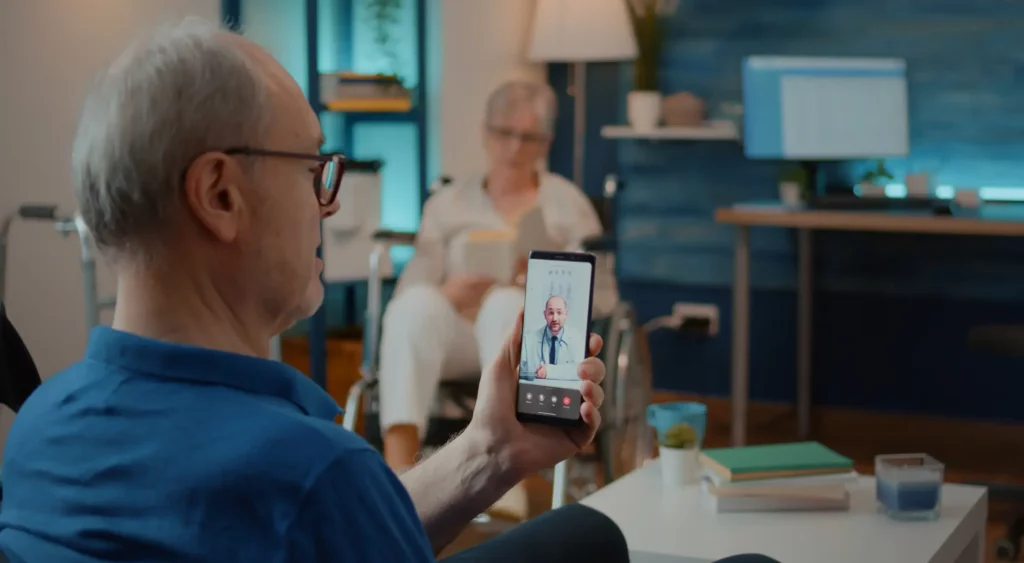
Have you ever faced the challenge of wanting to monitor a patient’s health in real-time but being constrained by distance or their inability to visit regularly?
In an era where immediate medical intervention can drastically alter outcomes, isn’t there a pressing need for a solution that seamlessly bridges the gap, regardless of physical barriers? The innovative answer to this age-old dilemma is Telehealth and Remote Patient Monitoring (RPM).
These digital health platforms aren’t just about convenience; they’re about ensuring every individual can access expert, immediate care regardless of location.
Telehealth Technologies: Pioneering the Future of Patient Care
In the intricate world of telemedicine in healthcare, expertise is paramount. Telehealth and Remote Patient Monitoring programs have emerged as a beacon of this expertise, offering solutions that reshape how virtual care is delivered.
Remote Patient Monitoring (RPM), a cornerstone of RPM telehealth, exemplifies this expertise. But what sets a leading RPM platform apart in an environment that demands proficiency and innovation?
- Evidence-based Precision
Drawing from years of clinical research and real-world applications, top-tier RPM telehealth platforms provide real-time data, enabling informed and timely interventions. This is not just technology; it’s technology backed by evidence and expertise.
- Authoritative User-centric Design
The confluence of telehealth and telemedicine represents the collective wisdom of healthcare professionals worldwide. An optimal RPM system, designed with an intuitive interface, is a testament to this global collaboration and authoritative insight.
- Trustworthiness and Data Security
In the digital realm of telemedicine in healthcare, trust is earned. A robust RPM platform with stringent data security protocols ensures that patient data remains confidential, safeguarded, and trustworthy.
- Seamless Integration with a Stamp of Authority
Having the ability to integrate with different Electronic Health Record (EHR) systems is not just a simple feature; it’s a mark of authority. It signifies a platform’s capability to fit into the established healthcare ecosystem seamlessly.
- Commitment to Advancement and Trust
Trust is built on consistency and the promise of betterment. An RPM platform that continually evolves, rooted in research and forward-thinking, earns this trust by promising and delivering better healthcare outcomes.
Major Benefits of Telehealth in RPM
New legislative measures have extended several Medicare telehealth provisions, initially established during the COVID-19 health crisis, until the end of December 2024.
This includes Federally Qualified Health Centers (FQHCs) and Rural Health Clinics (RHCs) serving as distant site providers for both behavioral/mental and non-behavioral/mental telehealth services. Additionally, there are no geographic restrictions for originating sites for these services, and some can even be delivered using audio-only communication platforms.
This move, which allows for broader access to telehealth services, especially in rural areas, highlights the significant advantages of remote patient monitoring telehealth for doctors and caregivers.
- Precision and Real-time Data
Expertise in medicine is often about having the right information at the right time. With telehealth and telemedicine, doctors and caregivers can access real-time data, ensuring that medical decisions are timely and informed. This level of precision can be the difference between routine care and an emergency.
- Proactive Care
RPM telehealth’s authoritativeness lies in its ability to provide continuous monitoring. For caregivers, especially, the ability to monitor conditions like diabetes or heart disease in real time means potential issues can be flagged immediately. This proactive approach ensures that patients receive timely interventions, reducing complications.
- Empowering Patients
Trust is a cornerstone of the doctor-patient relationship. When patients are equipped with RPM tools, it fosters trust as they recognize the commitment of their healthcare providers to their well-being. This empowerment allows patients to participate actively in their care, fostering a collaborative and trust-filled relationship with their doctors and caregivers.
- Healthcare Efficiency
In the fast-paced world of telemedicine in healthcare, efficiency can lead to better patient outcomes. The ability to observe and consult with patients remotely not only saves time but also ensures that care is consistent and uninterrupted.
Challenges and Future Directions in Telehealth and Telemedicine
While the potential of telehealth and RPM is undeniable, the journey has its hurdles. Data privacy concerns, technological disparities among patients, and regulatory challenges are some of the pressing issues faced by the industry.
However, the horizon looks promising with the rapid advancements in telehealth technologies.
Initiatives like those offered by forefront RPM telehealth platforms set the tone for the future. These platforms amalgamate the procurement and management of medical devices, intelligent clinical software, and specialized clinical teams to deliver a holistic virtual healthcare experience.
Such integrations are particularly pivotal for managing chronic diseases, offering AI-powered clinical pathways, and streamlining communication and billing processes using telemedicine in healthcare.
The trajectory is clear: a shift towards more personalized care, harnessing predictive analytics and ensuring broader accessibility. Staying updated with these technologies and platforms will be paramount for doctors and caregivers.
Embracing platforms that provide unified care solutions and comprehensive device management, much like the innovations seen in remote patient monitoring telehealth, will be instrumental in navigating the challenges and maximizing the benefits of telehealth.
Advancing Healthcare with HealthArc’s RPM Innovations
The integration of telehealth and RPM signifies a transformative shift in healthcare, offering unparalleled patient care and operational efficiency advantages.
As we adapt to the evolving challenges of the digital age, solutions like those provided by HealthArc stand out. Please request a free demo to learn about how we can help your organization achieve its telehealth goals in the long run.
For a deeper insight into the next generation of RPM and how it can elevate your practice, explore our comprehensive digital and technology solutions.
Frequently Asked Questions (FAQs)
What does telehealth do for Remote Patient Monitoring (RPM)?
Telehealth lets doctors and nurses talk to patients from a distance, while Remote Patient Monitoring (RPM) collects and sends real-time information about the patient’s body, such as blood pressure, glucose levels, and oxygen saturation. When used together, these technologies make it possible to provide ongoing care outside of traditional clinical settings.
How does telehealth technology help RPM programs?
Telehealth platforms help RPM by letting doctors talk to patients and make clinical decisions based on health data collected from afar. This integration helps providers step in sooner and better manage long-term conditions.
Is remote patient monitoring a part of telehealth?
Yes. Remote Patient Monitoring is a part of telehealth that focuses on gathering health information from patients in a different location and sending it to healthcare professionals for evaluation and treatment management.
What kinds of technology do people use for telehealth-enabled RPM?
Most RPM programs that use telehealth use:
- Devices for monitoring that have been approved by the FDA
- Health apps for mobile devices
- Clinical dashboards in the cloud
- Tools for talking and seeing each other on video and audio
- Safe platforms for patient engagement
These technologies enable ongoing surveillance and distant clinical engagement.
What are the benefits of using telehealth and RPM together?
Healthcare organizations can benefit from combining telehealth and RPM in the following ways:
- Keep an eye on patients all the time at home
- Lower the number of people who have to go back to the hospital
- Make managing chronic diseases better
- Get patients more involved
- Allow for proactive and preventive care delivery
RPM programs that use telehealth make things more efficient while still providing care.
How does telehealth make patients more involved in RPM?
Telehealth lets patients talk to their care teams on a regular basis through virtual visits, messaging, and check-ins from afar. This ongoing interaction helps patients stick to their treatment plans and gives them the power to take an active role in their own health care.
What medical conditions get the most out of telehealth and RPM?
Telehealth-enabled RPM is often used to manage:
- High blood pressure
- Diabetes
- Heart disease
- COPD
- After surgery recovery
- Conditions affecting mental health
Continuous remote monitoring allows for early detection of health decline and prompt intervention.
Can telehealth and RPM help lower the cost of healthcare?
Yeah. Telehealth and RPM lower the number of unnecessary emergency visits, hospitalizations, and in-person consultations by allowing remote monitoring and early clinical intervention. This makes healthcare more efficient and helps keep costs down.
What problems come up when you try to use telehealth-based RPM?
Some common problems are:
- Worries about data privacy and cybersecurity
- Barriers to patients using technology
- Integration with current clinical workflows
- Requirements for reimbursement and regulation
Modern RPM platforms deal with these problems by using secure infrastructure and automating workflows.
How does telehealth make it easier for people in rural or underserved areas to get care?
Telehealth gets rid of geographic barriers by letting providers check on and talk to patients from afar. This makes it much easier for patients who might have trouble getting around or traveling to see specialists.
What will happen to telehealth in Remote Patient Monitoring in the future?
AI-driven analytics, predictive health alerts, integrated care management programs, and personalized treatment pathways are all parts of the future of telehealth-enabled RPM. These things all support value-based healthcare delivery models.
How do telehealth and RPM make clinical outcomes better?
Virtual care and continuous monitoring make it possible to find health risks early, make treatment changes faster, and better manage diseases in the long term. This leads to better patient outcomes and satisfaction.

Jack Whittaker
Sales leader and high level Operator with a demonstrated history of working in the hospital & health care industry.


Categories
Advanced Primary Care Management→AI & Care Coordination→Behavioral Health Integration→Care Management Programs→Chronic Care Management→Digital Health & Software Solutions→General Remote Care Topics→Medication Therapy Management→Pricing & Business Strategy→Principal Care Management→Remote Patient Monitoring→Remote Therapeutic Monitoring→Transitional Care Management→
Related Blog
- April 2, 2026 | Read Time: 12 mins
Role of Remote Patient Monitoring in CMS Access Model Programs
Modern day healthcare system is focused on in-home or remote monitoring and...
Learn More- March 12, 2026 | Read Time: 17 mins
Common Conditions Monitored with Remote Patient Monitoring (RPM)
Just imagine an advanced healthcare system that tracks and analyze your health...
Learn More- February 20, 2026 | Read Time: 12 mins
How Remote Patient Monitoring Helps in Mental Health Care Conditions
There is a structural change happening in mental health care. In recent...
Learn More