
dddddd
By Jack Whittaker
| January 14, 2026
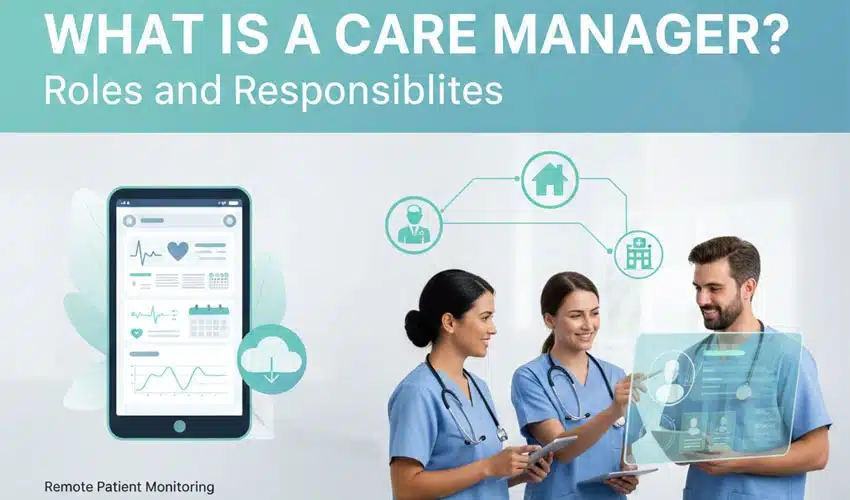
A care manager is a dedicated healthcare professional who helps patients navigate complex medical journeys, particularly with chronic conditions. This care manager definition highlights a trained nurse or social worker who coordinates care, educates on treatments, and links patients to essential services seamlessly. What are care managers? They serve as vital bridges between doctors, patients, and resources, organizing appointments and monitoring progress between visits. What does a care manager do daily? From medication reviews and barrier resolution—like transportation or costs—to building trust as a single point of contact, they simplify healthcare for better outcomes and satisfaction. Discover their full roles, responsibilities, skills, and benefits in this comprehensive guide.
What Is Care Manager?
A care manager is a licensed health professional who coordinates medical care, supports patients between visits, and acts as a bridge between patients, providers, and community resources to improve health outcomes. In modern value‑based and chronic care programs, care managers are central to patient engagement, education, and ongoing support outside the doctor’s office.
Care Manager Definition
A care manager is a healthcare professional (often a registered nurse, social worker, or other licensed clinician) responsible for helping patients manage chronic or complex conditions through assessment, education, coordination, and follow‑up. Unlike a physician who primarily diagnoses and prescribes, a care manager focuses on the day‑to‑day reality of a patient’s life—medications, appointments, barriers, and support systems—to keep care on track.
In chronic care management (CCM), care managers provide structured non‑face‑to‑face support—often at least 20 minutes per month—to monitor progress, close care gaps, and prevent avoidable hospitalizations. Many health plans and clinics describe them as “care traffic controllers” because they direct patients to the right services, resources, and providers without replacing the doctor.
What does a care manager do?
At a high level, what a care manager does can be grouped into five core functions that show up in most programs and organizations.
- Assess patient needs beyond the diagnosis (health status, risks, social factors) and help build a personalized care plan that supports the physician’s orders.
- Monitor treatment and care between visits by calling patients regularly, reviewing symptoms and medications, and watching for red flags that may need provider attention.
- Build strong, trusting relationships so patients feel listened to, respected, and motivated to follow through on their goals and treatment plans.
- Coordinate services and connect patients with community and social resources—such as transportation, food assistance, home health, or support groups—that impact their health.
- Handle essential administrative duties like documenting calls, updating care plans, and supporting correct billing for services such as CCM, RPM, and other value‑based programs.
Across all of these activities, care managers continually advocate for the patient, helping them navigate a complex health system and translate medical advice into realistic daily actions.
Roles and Responsibilities of Care Manager
Care managers wear many hats in a typical week. Below are the core roles and responsibilities most organizations expect from their care managers.
Patient Assessment and Care Planning
A major part of what care managers do is to form an accurate, holistic picture of the patient and turn that into a realistic plan.
- Conduct comprehensive assessments that cover medical history, current conditions, medications, mental health, lifestyle, and social determinants of health (transportation, finances, food, housing).
- Collaborate with physicians to translate clinical treatment plans into step‑by‑step care plans patients can follow at home.
- Set individualized goals with the patient—for example, improving blood sugar, increasing physical activity, or reducing fall risk—and document these goals in the care plan.
- Identify potential risk factors early, such as medication non‑adherence, safety issues at home, or lack of caregiver support.
These activities give patients a clear roadmap, while giving providers confidence that someone is tracking the details between office visits.
Ongoing Monitoring and Follow‑Up
Care managers maintain regular contact with patients to keep care plans active and up to date, which is a defining part of the role.
- Schedule recurring check‑ins (often monthly or more frequently for high‑risk patients) by phone or telehealth to review progress.
- Review symptoms, vital signs (when remote monitoring is used), and self‑reported issues to detect early warning signs before they become emergencies.
- Perform structured health assessments and medication reviews during calls, checking for side effects, missed doses, or confusion about instructions.
- Adjust and update the care plan in collaboration with the provider when a patient’s needs, preferences, or circumstances change.
In Medicare’s CCM program, these non‑face‑to‑face interactions are billable (for example, CPT 99490 for at least 20 minutes), making effective monitoring both clinically and financially important.
Patient Education and Self‑Management Support
Care managers are also educators and coaches, helping patients understand their conditions and build the confidence to manage them.
- Explain diagnoses, lab results, and treatment plans in everyday language, avoiding jargon and tailoring explanations to each patient’s level of health literacy.
- Teach patients practical skills such as when and how to take medications, what symptoms to watch for, and when to call the clinic or go to the ER.
- Provide guidance on lifestyle changes (diet, exercise, sleep, stress) and connect those behaviors to the patient’s own goals and values.
- Use motivational interviewing techniques—listening, asking open questions, and reflecting—to increase engagement and adherence instead of simply “barking orders.”
This coaching role is especially critical in chronic diseases like diabetes, heart failure, COPD, and depression, where daily self‑management strongly influences outcomes.
Relationship Building and Advocacy
Many organizations identify relationship building as the single most important responsibility of a care manager.
- Establish trust and rapport by getting to know patients as people—their families, interests, fears, and priorities.
- Create a sense of partnership where the patient feels like an equal participant in decisions, rather than a passive recipient of instructions.
- Advocate for patients when they struggle to access services, understand benefits, or communicate effectively with multiple providers.
- Provide emotional support and encouragement, often acting as a long‑term point of contact for patients with complex, life‑changing conditions.
Over time, this relationship often becomes the glue that keeps patients engaged in their care plans and willing to share problems early.
Care Coordination and System Navigation
Another core part of what care managers do is acting as the hub that connects many different services around the patient.
- Coordinate appointments across primary care, specialists, therapists, and ancillary services so care is timely and organized.
- Communicate critical information between providers—for example, new symptoms, hospital discharges, or changes in medications—so everyone stays aligned.
- Help patients choose in‑network providers, understand coverage, and access benefits such as prescription delivery or home‑based services when eligible.
- Work with internal teams (medical directors, utilization management, pharmacy) and external partners (home health, rehab, community agencies) to remove barriers.
This “air traffic controller” function helps reduce duplication, prevent errors, and make the healthcare experience less overwhelming.
Connecting Patients to Social and Community Support
Effective care managers look beyond clinic walls and understand how social factors drive health outcomes.
- Screen for social determinants of health such as food insecurity, transportation problems, financial stress, and lack of social support.
- Maintain and use a curated list of community resources (food banks, transportation programs, housing support, caregiver services, local nonprofits).
- Coordinate referrals to social workers, community agencies, or health plan programs when patients qualify for additional services.
- Involve family members or caregivers (with consent) to strengthen the patient’s support network and share care responsibilities.
Addressing these external factors can account for a large portion of improved outcomes in chronic care populations.
Administrative and Documentation Responsibilities
Behind every patient interaction, there is careful documentation and administrative work that keeps care compliant and billable.
- Chart all patient encounters promptly, including assessments, education provided, identified risks, and any changes to the care plan.
- Track time spent on billable activities for programs like CCM, RPM, Transitional Care Management (TCM), and Behavioral Health Integration (BHI), using appropriate codes and modifiers.
- Use care management software to review histories, flag overdue services, and follow guided care plan templates for common conditions.
- Coordinate internal workflows with front desk, billing, and clinical teams so that scheduling, documentation, and claims run smoothly.
Well‑designed software and workflows can significantly reduce this administrative burden and let care managers spend more time with patients.
Skills and Traits of Successful Care Managers
Beyond the formal job description, there are specific traits and competencies that distinguish truly effective care managers.
Clinical and Professional Background
While care managers are not always physicians, they do need a solid clinical foundation and an understanding of their scope.
- Often come from backgrounds such as registered nurse, nurse practitioner, physician assistant, clinical nurse specialist, health coach, or licensed clinical social worker.
- Need broad clinical knowledge to answer common questions, interpret basic clinical information, and recognize red flags that require escalation.
- Must understand that they are not the prescribing provider—they follow and reinforce the physician’s plan instead of giving independent medical or nutritional advice beyond their training.
Clear boundaries keep patients safe and maintain trust between care managers and the medical team.
Core Soft Skills
Soft skills largely determine whether care managers can do the technical parts of the job in a way that patients actually respond to.
- Empathy: The ability to genuinely care, listen without judgment, and imagine the experience from the patient’s perspective.
- Communication: Using clear, simple language, active listening, and non‑verbal cues (even over the phone) to create understanding and comfort.
- Persistence: Continuing outreach even when patients don’t answer or are ambivalent, without being pushy or disrespectful.
- Reliability: Showing up consistently, following through on promises, and being someone patients and providers know they can depend on.
These human qualities are key to building long‑term relationships that drive better adherence and satisfaction.
Organizational and Time‑Management Skills
Care managers often oversee large patient panels, so organization is not optional.
- Manage caseloads that may reach 150–250 patients each month, balancing scheduled check‑ins, follow‑ups, and urgent issues.
- Prioritize work using risk levels so that patients with complex or unstable conditions receive more intensive support.
- Use task lists, reminders, and software dashboards to track upcoming calls, overdue labs or visits, and outstanding referrals.
- Maintain accurate, timely documentation to avoid backlogs that can compromise both care quality and billing.
Strong time‑management allows care managers to provide high‑touch care without burnout or missed needs.
How Care Managers Benefit Patients and Providers
Understanding what care managers are and what they do is easier when you see the impact on both patients and healthcare organizations.
Benefits for Patients
Patients with chronic or complex needs gain access to a single, trusted point of contact who helps them manage their health journey.
- Better understanding of conditions, medications, and care instructions through ongoing education and coaching.
- Easier navigation of appointments, referrals, and insurance benefits, which reduces stress and confusion.
- Improved access to resources that meet social needs (food, transportation, financial support), which supports treatment success.
- Fewer avoidable complications and hospitalizations due to earlier detection of issues and quicker escalation to providers.
For many patients, especially those with multiple chronic diseases, a care manager can be the difference between feeling overwhelmed and feeling supported.
Benefits for Practices and Health Systems
From the organization’s perspective, care managers are a cornerstone of value‑based care and population health strategies.
- Improve quality metrics and patient satisfaction by providing consistent follow‑up, education, and support between visits.
- Increase revenue by enabling programs like CCM and other care management services that are reimbursed when properly documented.
- Reduce hospitalizations and emergency visits, which lowers total cost of care and supports value‑based contract performance.
- Free physicians to focus on diagnosis and higher‑acuity issues while care managers handle coordination, monitoring, and many patient phone calls.
As value‑based care and virtual models grow, the care manager role becomes even more central to both clinical and financial success.
Conclusion
Care managers are very important in today’s healthcare system because they connect the clinical care that patients need with the needs of their daily lives. They help patients stay involved, informed, and on track by helping with care planning, medication support, follow-ups, education, and coordination between doctors and agencies. For people with long-term or complicated disorders, this is very important. Care managers are becoming more important as primary care shifts to value-based care and long-term population health management. They help get better results, cut down on unnecessary escalations, and give patients a better overall care experience.
FAQs About Care Manager
Q1. What is a care manager?
A care manager is a licensed healthcare professional, often a nurse or social worker, who coordinates patient care for chronic or complex conditions.
Q2. What does a care manager do?
They assess patient needs, monitor progress, educate patients on treatments, coordinate appointments, and connect patients to resources between doctor visits.
Q3. What are care managers?
Care managers are members of care teams in clinics, health plans, or hospitals who act as patient advocates and care coordinators in value-based care programs.
Q4. Who needs a care manager?
Patients with multiple chronic illnesses such as diabetes, heart disease, or COPD benefit most from ongoing support and help navigating their care.
Q5. How do care managers differ from case managers?
Care managers focus on ongoing monitoring and long-term chronic care, while case managers typically handle short-term needs like insurance approvals or discharge planning.
Q6. What qualifications do care managers need?
Care managers are commonly Registered Nurses (RNs), Licensed Clinical Social Workers (LCSWs), or Nurse Practitioners (NPs) with clinical experience, strong communication skills, and familiarity with care management software.
Q7. Is care management covered by insurance?
Yes. Medicare and many private insurance plans reimburse Chronic Care Management (CCM) services, often requiring at least 20 minutes of care coordination per month.
Q8. How often does a care manager contact patients?
Care managers typically conduct monthly check-ins, or more frequently for high-risk patients, using phone calls, telehealth visits, or digital health apps.
Q9. Can care managers prescribe medication?
No. Care managers reinforce physician orders and escalate concerns when needed, but only licensed prescribers such as physicians or nurse practitioners can prescribe or change medications.
Q10. How do I get a care manager?
You can ask your doctor or health plan. Many primary care practices and health systems offer care managers for eligible patients with chronic conditions.

Jack Whittaker
Sales leader and high level Operator with a demonstrated history of working in the hospital & health care industry.



Categories
Advanced Primary Care Management→AI & Care Coordination→Behavioral Health Integration→Care Management Programs→Chronic Care Management→Digital Health & Software Solutions→General Remote Care Topics→Medication Therapy Management→Pricing & Business Strategy→Principal Care Management→Remote Patient Monitoring→Remote Therapeutic Monitoring→Transitional Care Management→
Related Blog
- February 3, 2026 | Read Time: 17 mins
Prevention in Health Care: Why Preventive Care Is Becoming a Connected, Continuous Model (RPM, CCM, BHI, APCM and More)
People typically associate health care prevention with their annual physical exams and...
Learn More- December 17, 2025 | Read Time: 9 mins
The ACCESS Model and the Platform Practitioners Need to Do Well in Outcome-Based Care
The change from volume-based healthcare to outcome-based care is no longer on...
Learn More- August 5, 2025 | Read Time: 24 mins
What is Chronic Care Management: A Complete Guide 2025
Every patient counts when you operate a small healthcare facility. However, patients...
Learn More