
dddddd
By Sudeep Bath
| April 2, 2026
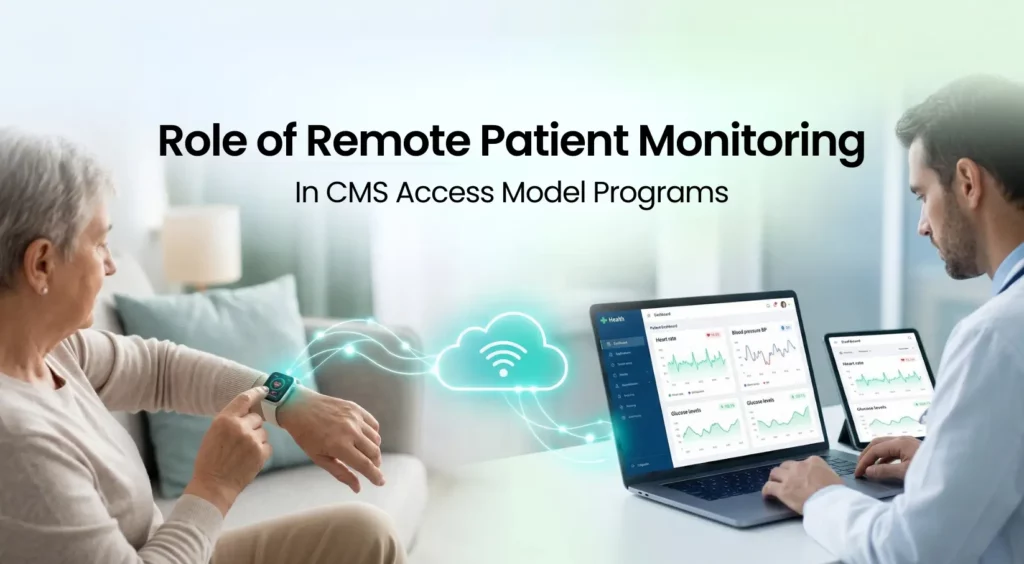
Modern day healthcare system is focused on in-home or remote monitoring and is going through a significant change. Rising rates of chronic diseases, costs of health services, and demand for ongoing care are driving healthcare organizations to rethink how to deliver care services to chronically-ill patients.
A major component of this change is the shift from providing health services on a fee-for-service basis to value-based care, where providers are compensated based on patient outcomes rather than simply providing healthcare services.
The primary factor contributing to the skyrocketing costs associated with the American healthcare system is chronic disease. Based on national estimates, over 60% of adults in the U.S. have at least one chronic illness, and a significant number of those patients suffer from multiple chronic illnesses that require ongoing care and monitoring.
The most common chronic conditions that account for the vast majority of healthcare expenditures and hospitalizations include Hypertension, Diabetes, Cardiovascular Diseases, and Depression.
At the same time, digital health tools are making it possible to deliver care in fundamentally different ways than before. By utilizing connected medical devices, mobile health applications, telehealth platforms, and advanced analytics, clinicians can now monitor patients outside of traditional clinic environments, identify potential risks earlier, and take action to prevent these conditions from deteriorating.
Remote Patient Monitoring is the Key Component of the Future of Healthcare
Remote Patient Monitoring (RPM) technology gives clinicians a 360-degree view of their patient’s health by collecting and analyzing their health data remotely via connected medical devices, such as blood pressure monitors, pulse oximeters, weight scales, and glucose meters. This allows them to receive continuous updates about their patient’s condition, which are then used to develop and implement treatment plans before the patient even visits their office.
The Centers for Medicare & Medicaid Services (CMS) has recognized the importance of emerging technologies like RPM and has implemented innovative new standards of care delivery that incorporate digital health technologies into traditional models of healthcare. One of the most significant new initiatives is the CMS Access Model (Advancing Chronic Care with Effective, Scalable Solutions) that provides 10 years of funding for innovative and effective ways to deliver technology-assisted care to Medicare patients with chronic illness.
RPM plays an integral role in the success of the Access Model by facilitating the delivery of technology-assisted care, promoting value-based care, and supporting value-based payment models.
What Are CMS Innovation Models?
The CMS has created innovative models called the Center for Medicare & Medicaid Innovation (CMMI) which are demonstration projects designed to explore new methods to provide services to patients while paying providers differently.
In addition, these new models allow providers within healthcare systems to be able to test their assumptions about:
- Value based payment methodologies
- Population health management
- Technology for the delivery of healthcare
- Healthcare efficiency delivered by multiple healthcare providers
These new methods are designed to enhance the health of patients through better outcomes and by lowering the cost of healthcare services in the Medicare, Medicaid, and other federally funded healthcare programs, putting more emphasis on quality, value, and patient-centric care.
What Is the CMS Access Model?
The Access Model (Advancing Chronic Care with Effective, Scalable Solutions) is a new CMS initiative to improve management of chronic diseases through technology-enabled and supported care. This model does not use the Medicare fee-for-service model; instead it focuses on:
- Preventing chronic diseases and managing chronic diseases
- Engaging patients continuously
- Paying based on patient outcomes
- Integrating digital health technology
It allows better access to care through virtual and remote service options for those who do not have easy access to a facility where healthcare services are administered.
Clinical Conditions Addressed by the Access Model
Chronic diseases and conditions covered by the access model focus on the most prevalent ones for Medicare beneficiaries. The clinical areas to be covered include:
- Cardiovascular/Kidney/Metabolic conditions (hypertension and diabetes)
- Chronic and highly prevalent musculoskeletal pain
- Behavioral Health (anxiety and depression)
Each clinical area focuses on measurable clinical indicators such as blood pressure, glucose, weight and patient reported outcomes in order to achieve the desired goals of the access model. Digital health technology, such as RPM programs play a key role in managing these chronic diseases due to the requirement of ongoing monitoring and management for extended periods of time.
Why Remote Patient Monitoring is Crucial for CMS Access Model Programs
The access model replaces an old-fashioned fee-for-service system for providers and rewards them for improving patient’s health. Providers are paid for how well they improve the health of their patients, not for the number of specific services they perform on them.
Another aspect of the access model is the use of Remote Patient Monitoring (RPM) as a tool to support its workflow and to allow healthcare providers to have ongoing clinical information regarding patients for the measurement of progress towards improved health outcomes.
- Continuous Chronic Condition Management
In the traditional healthcare model, providers see patients in their office periodically. However, there are many variables that cause chronic conditions to fluctuate throughout the day. RPM is used to continuously monitor patients’ chronic conditions, thus providing a way to detect potential problems early.
When chronic patients use RPM, they will be able to:
-
- Identify early on that their symptoms are becoming worse
- Avoid going to the hospital
- Stay on their medications as prescribed
- Have improved control over their chronic condition in the long run
All of these benefits fall within the parameters of the CMS Access Model programs, which focus on improving outcomes while eliminating/limiting unnecessary healthcare usage.
- Improving Patient Engagement and Self-Management
Patient involvement in terms of healthcare and patient experience is at the foundation of value-based healthcare. RPM allows the patients to view their current health status, including metrics and also track their progress to enhance the patient’s involvement in managing their health by:
-
- Providing ongoing feedback from the healthcare team
- Allowing the patient to track their overall health trends (forward, backward, etc.)
- Allowing the patient to see how certain lifestyle choices impact their health
The level of patient participation creates an environment in which the patient develops a positive approach towards his/her own health and is encouraged to adhere to their prescribed medications and/or treatment plans.
- Improved Decision Making for Healthcare Providers
Providers are able to more accurately and wisely make clinical decisions with continuous access to patient data. Rather than relying on a series of infrequent clinical visits, providers can easily track and review trends in patient data over time to help identify gradual changes in their patients’ health.
By doing this, it improves the accuracy of their diagnosis and effectiveness of their treatment plan, resulting in better outcomes.
- Decreased Hospital Readmission Rate
Patients who get readmitted in the hospital accounts for approximately 40% of the total cost of health care. With remote monitoring, providers can identify patients who are beginning to experience complications early on and intervene prior to the patients requiring any type of emergency assistance.
Performing this type of proactive care reduces the number of patients that need hospitalization and re-admitted from the hospital.
- Improved Care Coordination
CMS models focus on providing patients with a collaborative level of care through their primary care provider, specialist, and/or care coordinator. Providers who participate in the Access program are required to send electronic or digital alerts to referring providers for the purpose of continuity of care.
RPM platforms provide providers with a centralized place to communicate about patients, access their clinical data, monitor progress and deliver timely communication to all aspects of the patients’ care team.
How RPM Can Support Specific Access Model Clinical Conditions
RPM is continuously assisting healthcare providers in managing high risk chronic conditions using access models, including:
- Cardio-Kidney Metabolic Conditions
According to Medicare beneficiaries, cardio-kidney metabolic diseases, such as hypertension, diabetes, and obesity are the most common chronic diseases treated. Remote monitoring devices provide an opportunity for healthcare providers to monitor their patients using:
-
- Blood pressure readings
- Blood sugar readings
- Weight measurement
- Physical activity patterns
By continuously monitoring and analyzing these metrics, clinicians can detect early warning signs and provide interventions to remediate problems before complications arise.
- Musculoskeletal Conditions
For patients suffering from long-term chronic musculoskeletal pain, the treatment plan includes multiple options, including rehabilitation, physical therapy, and lifestyle modifications for a prolonged period. To support these patients with their recovery, RPM provides:
-
- Digital pain tracking devices
- Tracking patient activity
- Guidance for performing remote physical therapy exercises
This assists clinicians in determining the effectiveness of various treatments so the treatment plan can be adjusted based on the patient’s condition or recovery.
- Behavioral Health Monitoring
Modern day remote care models are placing higher emphasis on managing mental health conditions such as, depression & anxiety via remote monitoring devices which track a patient’s sleep patterns, mood indicators, and activity levels.
Clinicians have access to these readings and can easily identify patients showing early signs of deterioration in their mental health. After this, they can make modifications to either their therapy regimen or prescribed medications.
Technology Infrastructure Required for Access-Aligned RPM Programs
A robust digital infrastructure is essential for implementing ACCESS aligned RPM programs. This infrastructure must include FDA approved medical devices, secure cloud-based RPM technologies platforms, and seamless integration to EHR systems.
- Connected Medical Devices
To be successful, RPM programs must use devices that can accurately measure and report patient health indicators, so they must be validated as clinically accurate. Here’s a some common devices used for delivering RPM services:
-
- Blood pressure cuffs
- Pulse oximeters
- Glucose monitors
- Smart weight scales
These devices can upload real-time patient health data directly to clinical management systems.
- Digital Health Platforms
A centralized health platform must be created to aggregate, analyze, and visualize RPM data across all patients. Common features of these platforms include:
-
- Automated ingestion of patient health data,
- Clinical alert systems that notify healthcare providers when alarms trigger for patients,
- Care coordination dashboards and electronic health records (EHR) that aggregate clinical records for managing patient population.
- Data Analytics and Clinical Intelligence
By utilizing advanced analytical methods, healthcare organizations can establish actionable insights using real-time health data. For example, predictive analytics are effective in identifying patients at risk for hospitalization or for disease progression and meeting the outcome-based targets set by the Centers for Medicare and Medicaid Services program.
Future of Remote Patient Monitoring in the CMS Value-Based Care Program
The transition to value-based healthcare is creating a new way for providers to provide care and interact with patients through the healthcare system.
- Growth of Digital Health Models: With a projected continuing shift to value-based care, the CMS is expected to create more programs that support the use of digital technology to deliver healthcare to patients. The Access Model shows how technology can improve chronic disease management and reduce the cost of care for chronic diseases.
- Rise in AI-Driven Predictive Healthcare: AI and predictive analytics continue to be more widely used within remote patient management program to assess risk based upon data collected from different sources to provide clinical recommendations for patients.
- Integration Between Care Settings: Future healthcare systems have the capability to utilize RPM to help facilitate telehealth services, support electronic health records and provide a coordinated care experience with other healthcare providers, resulting in a fully integrated digital healthcare system.
Frequently Asked Questions (FAQs) About RPM in Access Models
How does RPM support CMS Access Model Programs?
RPM provides access to real-time information about patients’ health status, which can enable providers to obtain reports on patient outcomes and meet value-based care performance goals.
Does Medicare cover RPM Services?
Yes, Medicare covers Remote Patient Monitoring Services, provided they meet pre-approval for Medicare reimbursement using the appropriate CMS CPT codes and the patient meets the eligibility criteria for being assessed and treated for a chronic condition.
What role does RPM play in reducing hospital stays?
RPM provides ongoing monitoring, which leads to early identification of changes in a patient’s health that could potentially worsen if not treated quickly.
Is my patient information secure when using RPM solutions?
RPM providers operate under HIPAA security regulations, which protect a patient’s private information and keep their data safe.
Do RPM have any effect on value-based healthcare?
The use of RPM improves quality and decreases costs for patient care, which aligns with the outcome focus of value-based healthcare models.
Streamline Your Access Model Programs with HealthArc’s RPM Platform
CMS Access Model is formulated on how critical focus on value-based care can support and continuously engage patients over time as well as create a pathway to deliver quality-based outcomes.
Remote Patient Monitoring (RPM) is an integral part of this evolution because it enables continuous collection of data, timely interventions, and personalization of care for both patients and providers under the Centers for Medicare & Medicaid Services’ (CMS) Innovation Programs while enhancing patient outcomes.
HealthArc is a pioneer in the digital health industry that offers innovative Remote Patient Monitoring (RPM), Chronic Care Management (CCM), care coordination solutions, and other digital health programs to support healthcare providers in meeting their patient health improvement goals.
Our digital health solutions are powered by cellular remote patient monitoring devices, real-time data analytics, and automated care workflows to help providers manage patient populations efficiently in compliance with regulatory and reimbursement rules.
By combining cutting-edge technology with a strong focus on clinicians, HealthArc empowers caregivers to provide continuous patient-centered care while achieving success in the current CMS value-based care programs. To know more about our care delivery programs and services, schedule a demo today or give us a call right away.

Sudeep Bath
Sales & Tech Leader with 22+ years of experience Former SVP for $37B PE portfolio company Advisor and Board member in number of startups


Categories
Advanced Primary Care Management→AI & Care Coordination→Behavioral Health Integration→Care Management Programs→Chronic Care Management→Digital Health & Software Solutions→General Remote Care Topics→Medication Therapy Management→Pricing & Business Strategy→Principal Care Management→Remote Patient Monitoring→Remote Therapeutic Monitoring→Transitional Care Management→
Related Blog
- March 12, 2026 | Read Time: 17 mins
Common Conditions Monitored with Remote Patient Monitoring (RPM)
Just imagine an advanced healthcare system that tracks and analyze your health...
Learn More- February 20, 2026 | Read Time: 12 mins
How Remote Patient Monitoring Helps in Mental Health Care Conditions
There is a structural change happening in mental health care. In recent...
Learn More- February 13, 2026 | Read Time: 8 mins
CPT 99445 and 99470: Complete 2026 Guide to Short-Window RPM Billing with HealthArc
CPT 99445 and CPT 99470 are transforming how practices bill for Remote...
Learn More