
dddddd
By Jack Whittaker
| April 29, 2024
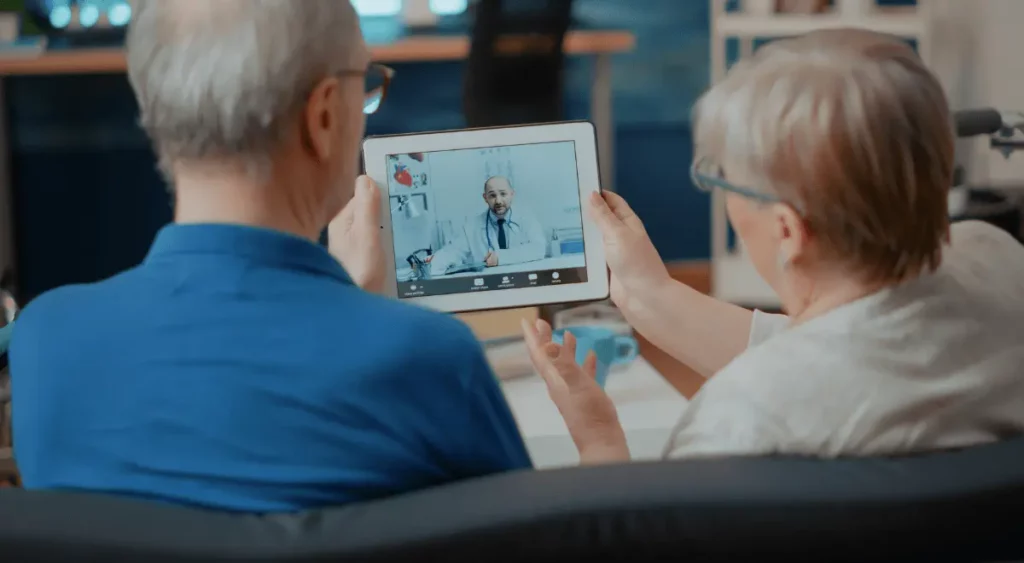
Are you wondering on how to connect with your remote patients and provide them with preventative at-home healthcare? Remote Patient Monitoring, i.e. RPM in healthcare is the newest technology formulated to assist both patients and providers in meeting their healthcare goals, improving engagement rate and boosting outcomes. Not only this, successful RPM programs deliver significant financial benefits in terms of revenues and reimbursements.
Sometimes referred to as remote physiologic monitoring, RPM meaning in terms of healthcare is monitoring the patients from a remote setting.
Remote Patient Monitoring Is A Subset Of Telehealth
When it comes to healthcare trends, one of the top spots is attained by Remote Patient Monitoring, which involves remote monitoring of patients by assessing and monitoring their health data, such as blood pressure, weight, oxygen level, heart rate, and other vitals on the online dashboard of RPM software.
RPM is a subset of telehealth. Telehealth is a healthcare domain that includes technologies such as telephones, electronic mail systems, remote monitoring devices, and facsimile machines to collect and transit patient medical data to be monitored and interpreted by a qualified healthcare professional.
RPM definition in medical terms- “the use of a monitoring device and platform for interaction between patients and providers, outside of clinical settings.”
People sometime confuse remote patient monitoring with patient monitoring, which may sound similar but are different approaches. Patient monitoring systems in healthcare facilities are usually deployed in controlled environments, such as nursing homes for acute and chronically ill patients, whereas the monitoring equipment in remote patient monitoring is deployed in the patient’s home, dealing with chronic illnesses or for post-operative care.
How Does Remote Patient Monitoring Work?
To start with, a provider examines and identifies the health conditions to be managed remotely and formulates a remote patient monitoring program to provide tailored RPM services. For example: a diabetic patient’s blood glucose, weight and blood pressure is monitored and a clinical workflows is established for any abnormalities and warning signs for prompt interventions.
Remote patient monitoring allows providers to acquire the patient health data, including blood pressure, heart rate, vital signs, body weight, and blood sugar levels.
A provider then decides whether a patient is suffering from one or more chronic conditions and would benefit from remote health monitoring after analysing the health data collected via an RPM program managing chronic conditions. If so, an RPM treatment plan is decided.
Patients are given electronically connected, cellular or Bluetooth remote health monitoring devices, such as blood pressure monitors, weight scales, blood glucose meters, spirometers, and pulse oximeters to collect health vitals. This data is then transmitted electronically from patient to provider via an online patient engagement software.
A qualified healthcare provider then analyzes the data and makes necessary interventions depending on the findings.
Benefits of Remote Patient Monitoring
Being an integrated platform aiming at improving patient-provider communication, the remote patient monitoring benefits are wide-spread. RPM is an effective approach for practitioners and help them closely monitor patient’s chronic health conditions without requiring in-person visits. Considering the benefits offered by RPM, its rising popularity comes as no-surprise. When roughly accounted for, the top three benefits cited by patients were:
- More control and ownership over their health data
- Personalized and in-detail health data
- Quicker access to healthcare services
- Greater influence on their own well-being
Similarly, the top benefits accounted by healthcare professionals include:
- Enhanced patient outcomes
- Improved compliance rates
- Better patient engagement
- Higher health ownership among patients
Practical Benefits Of Remote Patient Monitoring For Patients
- Improved communication with medical staff- RPM devices provide practitioners with up-to-date information about their patients’ health conditions, thereby reducing the communication gap between the patients and caregivers.
- Reduced visits to the practitioner’s office– By utilizing remote patient software, patients can save their time, efforts, and costs related to travel to the doctor’s office.
- Better access to the care– RPM gives clinicians a more comprehensive view of a patient’s health via the medical data recorded over the digital dashboard and prevents emergency hospital visits for patients.
- Greater control over their health– RPM is an easy-to-use application and provides patients with a real-time assessment, recording, and management of their health.
- Improved education and support- By assessing patient data, practitioners provide individualized guidance and assistance to patients by going through each patient’s health status.
Top Benefits Of Remote Patient Monitoring For Healthcare Providers
- Seamless transition to proactive care- Advanced RPM platforms enable healthcare providers to provide continuous care to patients, resulting in better health outcomes and higher reimbursements.
- Reduces healthcare costs and hospital readmissions- RPM helps track variations in real-time using a preventative care model that reduces the likelihood of medical emergencies, hospitalizations and readmissions.
- Generates higher reimbursement for healthcare providers- RPM allows physicians in expanding their patient base and improve their hours for remote patient billing.
- Reduces the workload for physicians- RPM platform lessens the workload of clinicians, minimize the risk of stress, and help handle the patient data more efficiently.
Remote Patient Monitoring Devices For Real-time Data Collection
When it comes to tracking, recording, and examining acute or chronic health problems in patients in a remote setting, remote patient monitoring devices play a significant role. They provide real-time insights into a patient’s health and help clinicians take pre-emptive actions based on the data.
Using these devices in collaboration with remote health software, healthcare providers can manage their chronically ill patients in a better way. Some of most common RPM devices include:
Blood pressure monitors: Practitioners can virtually monitor and treat hypertension (high blood pressure) on a continuous basis with the use of remote blood pressure monitors.
Weighing scales: Remote weight monitoring devices makes it possible to identify sudden, or quick weight loss can help unfold underlying cardiac, gastric, and diabetes ailments.
Blood glucose monitors: Healthcare providers can identify potentially concerning changes in blood glucose levels and promptly intervene in keeping the diabetes in control.
Spirometers: Using remote spirometers, physicians can electronically track a patient’s lung health and determine whether or not they need help in managing their breathing problems.
Pulse Oximeters: Care providers use pulse oximeters to treat patients with heart problems, lung conditions, and asthma by tracking the blood oxygen level.
Thermometers: Using thermometer, physicians can provide fast and accurate data on the patient’s body temperature and take the necessary precautions.
Advantages of Cellular Remote Patient Monitoring Devices
Both Bluetooth and cellular remote patient monitoring devices have their own benefits, but cellular ones have an edge over the Bluetooth ones in terms of easy and obstacle-free connectivity. Some of their other benefits include:
- Cellular remote patient monitoring devices can send patient health data from out-of-clinic settings, without a Wi-Fi connection.
- These devices allow real-time recording and transmission of patient data, allowing the patients to receive near real-time alerts.
- These RPM devices are easy to use and out-of-the-box ready
Remote Patient Monitoring CMS CPT Codes & Billing Guidelines
The Current Procedural Terminology (CPT) codes give physicians and other healthcare providers with a standardized coding system for describing medical treatments, thereby improving reporting effectiveness and precision.
RPM Codes Associated With Billing Remote Monitoring
CPT Code 99453 (Initial Setup and Monitoring)
- Remote monitoring of physiological parameters (for example, weight, blood pressure, pulse rate, and respiratory flow rate).
- Initial equipment setup and patient education on device operation.
CPT Code 99454 (Continued Monitoring for 16 Days)
- An RPM device is used to measure vital signs such as blood pressure, heart rate, and weight.
- The initial devices are supplied with daily records and programmed alerts.
- For continued monitoring over 16-day.
CPT Code 99457 (Management Services for the Initial 20 Minutes)
- 99457 is used to report remote physiologic monitoring treatment management services provided to a patient with chronic diseases or conditions.
- This code encompasses the time spent by healthcare professionals in the comprehensive management of a patient’s treatment regimen, including the review of monitored data, communication with the patient or caregiver, and adjustment of treatment plans when necessary.
CPT Code 99458 (Management Services for Every Additional 20 Minutes)
- 99458 is an add-on to 99457 that charges an additional 20 minutes of RPM every month.
- Professionals cannot invoice the code in isolation; it must always be used in connection with 99457.
CPT Code 99091 (Collection and Evaluation of Physiological Data)
- The patient or caregiver saves data digitally and sends it to the physician or other qualified health care provider.
- At least 30 minutes every 30 days.
How Does Remote Patient Monitoring CPT Code and Billing Work?
- Any Medicare Part B patient can use remote monitoring services.
- RPM is a monthly billing service. For Medicare to compensate, patients must receive at least 20 minutes of service every month.
- Data must be acquired with a HIPAA-compliant RPM platform, such as remote patient management software.
- Physicians and non-physician practitioners qualified to provide evaluation and management services may bill for remote physiologic monitoring services.
Billing Requirements for CPT Code 99091
The billing rules for CPT Code 99091 are comparable to those of the other four remote patient monitoring CPT codes.
- An RPM device must meet the FDA’s definition of a medical device.
- Before ordering a gadget, the patient must first agree to the service.
- Patients who have never had RPM before must undergo a new patient examination.
- Patients who were enrolled in RPM during the Public Health Emergency (PHE) can continue to receive the program.
- To bill for CPT codes 99453 and 99454, the patient must use the RPM device for at least 16 days per month.
- All data acquisition must be HIPAA-compliant.
HealthArc’s Remote Patient Monitoring Software Applications
- Cardiology: In Cardiology, our RPM software for cardiac patients provides real-time blood pressure control, and medication adherence capabilities to enable successful remote cardiac care.
- Pulmonary: Our remote pulmonary care technology provides spirometry data, continuous oxygen saturation tracking, and symptom reporting for proactive and rapid management.
- Diabetes: Diabetes patients benefit from our remote patient monitoring for diabetes care, which includes glucose monitoring, continuous glucose monitoring, lifestyle tracking, and individualized diabetes treatment.
- Neurology: In Neurology, our system enables remote temperature monitoring and medication management, resulting in faster interventions and improved neurological outcomes.
- Obesity: Our remote obesity monitoring includes weight tracking, BMI tracking, food compliance monitoring, and behavioral interventions, promoting a comprehensive approach to obesity management and general well-being.
- Oncology: In oncology, our RPM software for cancer patients enables temperature measurement, symptom recording, and seamless care coordination, improving cancer care quality and patient comfort.
- Retina: Our RPM solutions include Diabetic Retinopathy (DR), Diabetic Macular Edema (DME), allowing for early identification and intervention in retinal illnesses.
Why Choose HealthArc’s RPM?
The HealthArc RPM software platform allows physicians to improve outcomes for thousands of patients while increasing revenue. We are one of the best remote patient monitoring companies providing technologically advanced virtual patient monitoring solutions.
- RPM provides a comprehensive solution for health practitioners to enhance and improve patient care.
- Integrates with EHR and connected devices that support external APIs, such as Bluetooth and cellular devices.
- Supports different conditions by providing a comprehensive picture of patient clinical data analytics.
- Improves clinical decision support by providing patients with personalized clinical information and holistic health management.
- Maintains high privacy and data security standards by ensuring that all components are HIPAA compliant.
RPM helps healthcare professionals improve health outcomes, lower costs, and increase efficiency and generate additional revenue.
Schedule a demo today to learn more about HealthArc’s remote patient monitoring software.
Frequently Asked Questions (FAQs)
1. What is remote patient monitoring (RPM)?
RPM is the use of digital medical devices and sensors in a patient’s home or non-clinical setting to collect physiological data (such as blood pressure, glucose, weight) and securely transmit it to a healthcare provider for review and intervention.
2. What are the main benefits of implementing an RPM program?
Key benefits include improved patient engagement, earlier detection of health issues, reduction in hospital readmissions, better chronic disease management, increased convenience for patients and providers, and potential cost savings for the health system.
3. Which CPT codes are commonly used for RPM services?
Common CPT codes include 99453 (device setup and patient education), 99454 (device supply/monthly data transmission), 99457 (first 20 minutes of treatment management with interactive communication), 99458 (additional 20 minutes).
4. What documentation and data-collection requirements apply to RPM billing?
Requirements typically include: collecting physiologic data for at least 16 days in a 30-day period for some codes, using a device that meets the FDA medical-device definition, obtaining patient consent, having an established patient-provider relationship (for many payers), and documenting interventions based on the data.
5. What types of devices and technologies are used in RPM?
Devices include connected blood pressure cuffs, glucose meters/CGMs, weight scales, pulse oximeters, wearable activity monitors, and digital platforms that transmit data to clinicians. The devices must transmit automatically (or via secure link), and the data must be reviewed by a provider or clinical team.
6. What chronic conditions and applications are well-suited for RPM?
RPM is particularly effective for hypertension, diabetes, heart failure, COPD, CKD and other chronic diseases. It’s also used post-discharge monitoring, home health programs, and preventive care to track vitals and intervene early.
7. How does RPM differ from traditional telehealth and remote therapeutic monitoring (RTM)?
While telehealth covers remote clinical visits, RPM specifically involves continuous or periodic collection of physiologic data from devices. RTM, in contrast, generally deals with non-physiologic data (e.g., therapy adherence, musculoskeletal or respiratory system status) and may have different billing codes and requirements.
8. Who can bill for RPM services and what are the practice workflow implications?
Qualified providers (physicians, nurse practitioners, PAs) or their supervised staff may bill RPM codes. Practice workflow must include patient selection, device deployment and education, data monitoring, alerts management, patient outreach when needed, and billing/documentation workflows.
9. What are common challenges when launching an RPM program?
Challenges include device and connectivity issues, patient adherence to measurements, data overload for clinicians, integration with electronic health records (EHRs), regulatory and billing complexities, and making sure workflow and staffing support are in place.
10. What steps should a practice follow to implement RPM successfully?
Implementation steps include: identifying eligible patient populations, choosing appropriate devices and vendor platform, obtaining patient consent/training, defining monitoring protocols, setting up alerting and intervention workflows, verifying billing and reimbursement policies, and tracking outcomes and ROI.
11. Are there payer or coverage variations to be aware of with RPM?
Yes. Coverage and reimbursement vary by Medicare, Medicaid and commercial payers. Some require an established patient-provider relationship, some have data-collection day minimums, and device and service eligibility may differ. Providers should verify payer policies before implementation.
12. How can RPM support value-based care and population health initiatives?
By capturing real-time physiologic data, enabling earlier interventions, reducing hospitalizations, improving adherence and outcomes, RPM helps practices participate in value-based care models, manage chronic disease cohorts better, and demonstrate quality and cost-savings metrics.

Jack Whittaker
Sales leader and high level Operator with a demonstrated history of working in the hospital & health care industry.



Categories
Advanced Primary Care Management→AI & Care Coordination→Behavioral Health Integration→Care Management Programs→Chronic Care Management→Digital Health & Software Solutions→General Remote Care Topics→Medication Therapy Management→Pricing & Business Strategy→Principal Care Management→Remote Patient Monitoring→Remote Therapeutic Monitoring→Transitional Care Management→
Related Blog
- March 12, 2026 | Read Time: 17 mins
Common Conditions Monitored with Remote Patient Monitoring (RPM)
Just imagine an advanced healthcare system that tracks and analyze your health...
Learn More- February 20, 2026 | Read Time: 12 mins
How Remote Patient Monitoring Helps in Mental Health Care Conditions
There is a structural change happening in mental health care. In recent...
Learn More- February 13, 2026 | Read Time: 8 mins
CPT 99445 and 99470: Complete 2026 Guide to Short-Window RPM Billing with HealthArc
CPT 99445 and CPT 99470 are transforming how practices bill for Remote...
Learn More