
dddddd
By Sudeep Bath
| February 4, 2026
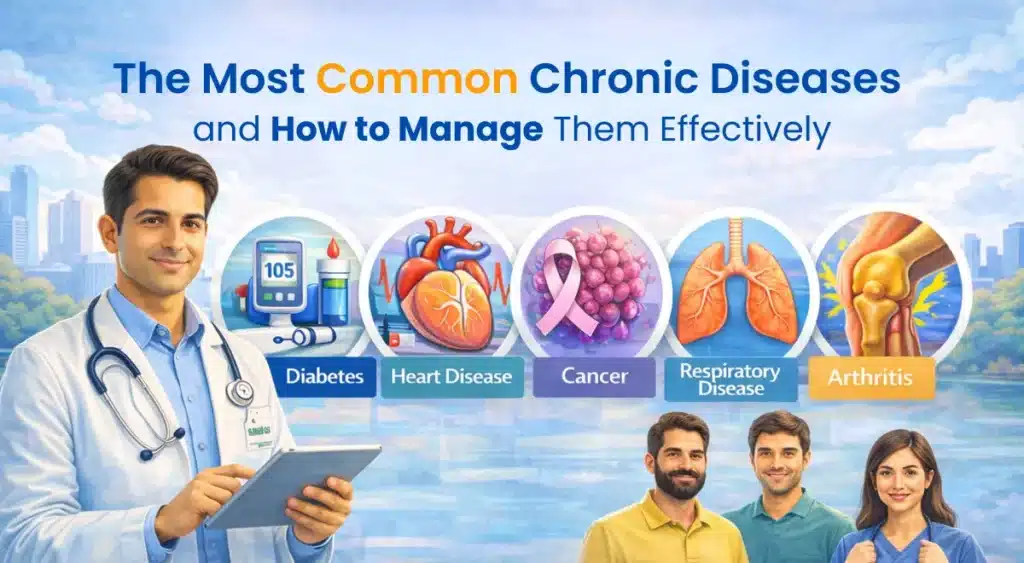
Chronic diseases are one of the biggest problems that healthcare systems around the world have to deal with. The environmental conditions affect life quality while creating future medical costs, which require patients to stay under on-going monitoring with particular treatment plans. Chronic conditions, on the other hand, get worse over time and usually stay with a person for years, and sometimes even for life.
People with on-going medical conditions frequently search for information about chronic diseases and chronic illnesses and “what are chronic diseases?” People should visit their doctors to obtain additional information about their symptoms together with their disease origins and available medical solutions. Better pain management results will emerge from two main approaches, which include detecting diseases at their initial stages and creating strategies for managing long-term medical conditions.
The following information will provide you with a detailed explanation of chronic disease along with its primary examples and effective management strategies for chronic diseases. The recommended diabetes management strategies consist of personal lifestyle changes and medical treatment, which follows doctor orders and coordinated care systems and remote monitoring support.
What are Chronic Diseases?
Medical conditions that need on-going treatment for their management make up the category of chronic diseases, which extend their duration beyond a short period. People ask about chronic disease definitions because these illnesses progress gradually without any obvious warning indicators, which results in their development.
Chronic diseases are medical conditions that extend beyond months and years while requiring continuous treatment and causing difficulties with daily activities when their management is inadequate. The treatment of chronic diseases needs patients to get ongoing medical attention through regular doctor checkups and long-term treatment planning, but acute illnesses require short-term medical care to reach recovery.
Meaning of chronic disease
A formal definition of a chronic disease is a health problem that:
• Lasts for three months or more
• Usually moves forward slowly
• Needs regular medical care
• If not taken care of, it can lead to problems.
• Could have an effect on health, both physical and mental
Medical treatment that follows correct protocols helps patients achieve successful management of their ongoing health conditions. Some conditions may deteriorate over time, particularly in the absence of appropriate support systems for patients. Medical practice in the present day involves treating diseases while taking steps to stop complications, which enables patients to preserve their quality of life.
What is a chronic illness?
People search for chronic illness definitions because they need to understand how this medical term applies to actual health conditions.
A chronic illness is one that:
- Doesn’t go away quickly the medical treatment for this condition requires on-going monitoring, which needs to continue throughout multiple years.
- May need more than one medicine and help from a specialist.
- The condition makes it hard for people to do their daily activities because it damages their ability to generate energy and their ability to work effectively.
People frequently share their personal experiences with chronic diseases by describing their constant fatigue and on-going pain and their unpredictable symptoms and their need for repeated doctor visits. The reason education and care coordination hold such significance. Patients commonly experience difficulties when they need to manage their various medical appointments together with their prescribed medications and diagnostic tests and new lifestyle requirements.
Why are chronic diseases increasing?
There are many things that have led to the rise of chronic diseases, such as:
- Populations that are getting older.
- The number of people who become obese while being inactive keeps growing at an increasing rate.
- Bad eating habits and metabolic disorders.
- A lot of stress and mental health problems.
- The environment together with genetic factors creates conditions that increase the risk of developing diseases.
- The population lacks sufficient access to preventive medical services.
- People usually discover their chronic diseases through complications because these diseases begin without producing any initial symptoms. High blood pressure and high cholesterol remain invisible until they trigger a stroke or heart attack or kidney disease develops. Healthcare providers need to create organized care plans, and they should start performing early screening tests.
Most Common Chronic Diseases
People search for chronic disease examples and “common chronic illnesses” because they need to understand which medical conditions belong to this category. Chronic diseases include both physical health conditions, such as diabetes, and mental health conditions, such as depression. Here are some of the most common chronic diseases that doctors see in both primary care and specialty settings.
1. Hypertension (High Blood Pressure)
Hypertension exists as a major chronic disease that impacts millions of people worldwide. People with this condition become more susceptible to developing heart attack or stroke or kidney disease. Why it matters:
High blood pressure remains undiagnosed in many people until their condition reaches an advanced stage because this condition rarely produces any noticeable signs. Management basics:
Blood pressure checks need to be performed at scheduled intervals.
• The DASH diet serves as a recommended eating plan that includes low sodium intake.
• You should maintain your weight while being physically active throughout each day.
• Taking your medicine (ACE inhibitors, ARBs, beta-blockers, etc.)
• Lowering stress and managing sleep
2. Diabetes (Type 2 Diabetes)
The body fails to produce sufficient insulin in Type 2 diabetes while its cells become unresponsive to existing insulin production. Main risks:
• Disease of the heart
• Damage to the kidneys
• Damage to the nerves (neuropathy)
• Problems with vision and blindness
• Wounds that don’t heal well
Important things to know about management:
• Checking blood sugar levels
• Planning meals and keeping track of carbs
• Ways to lose weight
• Regular exercise
• Taking your medicine (metformin, insulin, GLP-1s, etc.)
The patient requires scheduled eye and foot examinations as part of their treatment plan.
Diabetes is a common chronic condition that can be greatly improved with structured care.
3. Heart disease
Coronary artery disease, congestive heart failure, and arrhythmias are all types of heart disease. Some common signs are:
• Pain in the chest
• Trouble breathing
• Tiredness
• The legs develop swelling because they store water.
Important things for management:
• You should follow your doctor’s instructions to take your prescribed medications, which include statins, blood pressure medications, and blood thinners.
• A diet low in cholesterol and saturated fats
• Cardiac rehab or planned exercise sessions
• Stopping smoking and losing weight
• Checking vital signs and warning signs
Heart disease is one of the most common long-term illnesses and is still one of the main causes of death and hospitalization.
4. Chronic Obstructive Pulmonary Disease (COPD)
COPD exists as a combination of chronic bronchitis and emphysema, which typically develops from smoking over time or exposure to environmental factors. Some common problems are:
• Not being able to breathe
• Less room in the lungs
• Respiratory infections cause me to become sick multiple times throughout the year.
• Can’t handle activity
Important things to know about management:
• Following the rules for using an inhaler and using it correctly
• You should avoid all substances that trigger your reactions, including smoke, pollution, and allergens.
• Rehabilitation for the lungs
• Shots (for the flu and pneumonia)
• Early help during flare-ups
5. Asthma
The respiratory airways experience chronic inflammatory disease, which characterizes asthma as a condition. The condition exists at various severity levels, which can progress through different stages of a person’s life. Things every manager should know:
• The controller inhaler serves purposes that go beyond its function as a rescue inhaler.
• The process of identifying the root factors that lead to the problem includes dust accumulation, cold air entry, and allergic reactions.
• Monitoring peak flow (for some patients)
• Plans for school and work
• Regular follow-ups
Asthma is a common long-term illness that affects kids and teens.
6. Osteoarthritis and Rheumatoid Arthritis are types of arthritis.
The disease of arthritis causes joint damage, which results in reduced mobility and increased stiffness in the affected joints.
Important things for management:
• Losing weight to ease pressure on joints
• Ways to deal with pain
• Exercises to make you stronger
• Therapy for the body
• Anti-inflammatory drugs should only be used when their use becomes essential.
People face major difficulties because arthritis exists as a long-term condition that prevents them from doing their daily tasks and leads to reduced happiness in their lives.
7. Chronic Kidney Disease (CKD)
CKD gets worse over time and can lead to the need for dialysis or a transplant. Important things to know about management:
• The body needs to maintain proper control of blood sugar levels and blood pressure levels.
The test determines kidney function by measuring eGFR and creatinine levels.
• Not taking medications that could hurt the kidneys (as advised)
The patient needs to follow a particular eating plan, which requires them to track their protein consumption as well as their sodium and potassium levels.
The team needs to ask for help from experts whenever their particular skills become necessary.
8. Anxiety and Depression
Mental health conditions develop into chronic conditions when they continue for an extended period, which requires on-going medical care and monitoring. Things you need to know about management:
• Therapy (CBT and other methods that have been shown to work)
• Medicine when necessary
• Better sleep and building a routine
The support system consists of two vital elements, which include family support and behavioral health service coordination.
• The process of monitoring symptoms occurs through daily symptom tracking.
The planning process for extended care facilities tends to disregard mental health problems because these conditions directly impact patients’ ability to follow treatment and stay motivated while also affecting their sleep patterns and eating habits and resulting treatment results.
More examples of Chronic Conditions
Here are some more examples of chronic conditions that often need long-term care plans:
• Overweight
• High Cholesterol levels
• Problems with the thyroid (hypothyroidism/hyperthyroidism)
• Osteoporosis
• Migraines that last a long time
• The medical term for this condition is inflammatory bowel disease, which includes Crohn’s and ulcerative colitis.
• Chronic pain syndromes
• Autoimmune diseases (lupus, multiple sclerosis)
• Alzheimer’s disease and other types of dementia
The medical conditions qualify as chronic illnesses because they create ongoing illness that doctors need to track through multiple treatment methods and regular medical appointments.
What Makes Chronic Diseases Difficult to Manage?
The delivery of chronic care faces challenges because it needs to handle multiple healthcare elements at the same time. Some common reasons why patients have trouble are
1. Taking a lot of medications and being confused
A lot of people with chronic illnesses take 5 to 10 medications, and sometimes even more. Patients fail to follow their medication schedule because they lack knowledge about proper dosing times and amounts, and they do not recognize potential side effects.
2. Not checking every day
A lot of conditions need to be tracked all the time, but doctor visits are usually weeks or months apart. The situation will deteriorate when no one takes action to resolve the issue at its beginning.
3. Tired of your lifestyle
Medical professionals frequently advise patients to improve their diet while exercising and getting sufficient sleep, yet most patients lack the necessary guidance to achieve these goals consistently.
4. Little follow-up and responsibility
Patients who do not receive regular doctor visits will experience their minor health issues developing into major medical problems.
5. Mental health and social problems
The combination of stress and depression and loneliness and financial difficulties creates additional challenges that affect patients who have multiple medical conditions. The existence of chronic diseases requires our society to establish permanent infrastructure that will provide adequate support to affected patients. The framework enables healthcare professionals to manage patients who need continuous medical care through an efficient treatment process. The correct management of chronic diseases needs medical care that extends past the treatment of symptoms. This work aims to assist patients in maintaining their healthy behaviors and preventing preventable medical issues. This is a structured way to deal with most chronic conditions:
1. Early Diagnosis and Risk Screening
Preventive care serves as the primary defense. The development of multiple chronic diseases into their most severe stages happens without any recognizable warning signs. Some important examples of screening are
• Checking blood pressure
• Testing for A1C and fasting glucose
• Cholesterol tests
• Waist size and BMI
• Tests to evaluate the functioning capacity of your kidneys.
• Tests for mental health
The discovery of health issues at their beginning stage enables people to modify their behaviors before they must start using additional medical treatments.
2. Individualized Care Plans
People without a plan will likely fail to lose weight successfully by following basic advice, such as “lose weight” and “exercise more.”
A good plan for caring for someone with a chronic disease should have:
• Specific goals for nutrition
The patient needs to create particular treatment goals that should match their present functional abilities.
• A plan for taking medicine with education
• A plan for follow-up and lab work
• The process of monitoring both symptoms and vital signs.
• The patient needs to perform particular steps when their symptoms become more severe.
The individual characteristics of each person with chronic diseases determine why personalization plays an essential role in their treatment.
3. Help with taking and managing medication
The primary reason chronic patients are admitted to hospitals is their failure to adhere to the prescribed medication schedule. Strong medication management means:
Healthcare providers must verify all prescribed medications through medication reconciliation, which they perform at scheduled times.
• The system performs search operations to detect duplicate entries along with their corresponding interaction points.
• Teaching patients about the side effects
The system enables users to receive medication refill alerts while providing different methods to make the process more convenient.
Patients who have two or three long-term conditions need their medications to be clearly understood.
4. Support for a lifestyle that lasts
The main goal of chronic care requires patients to adopt new life habits, yet unrealistic plans will drive patients to experience burnout. Sustainable methods concentrate on producing dependable results instead of pursuing perfect results.
Some important parts of a healthy lifestyle are:
Nutrition
• You should decrease your intake of sugary beverages and processed food products.
The human body needs two essential nutrients, which include protein and fiber, for proper health maintenance.
• You should monitor your sodium intake at all times during the day.
The primary goal needs to focus on creating enduring lifestyle modifications that will replace all temporary weight loss programs.
Physical Activity
• Low-impact workouts and walking routines
• Building muscle for better metabolic health
• Flexibility and balance need to be maintained with special attention for elderly individuals.
Sleep
• Get better sleep hygiene
• I will respond to any apnea problems that develop during my shift.
• Cut down on screen time at night
• You need to establish a consistent sleep pattern.
Managing stress
• Exercises for breathing
• Being aware
• Therapy or counseling
• Help from the community
People who have chronic diseases need continuous assistance to maintain their current way of living.
5. Ongoing Monitoring Between Visits
Patients who fail to monitor their treatment progress between doctor visits will experience worsening of their chronic diseases. Some examples of monitoring are
• Blood pressure readings at home
• Keeping track of blood sugar
• Keeping track of your weight
• Oxygen saturation (for patients with breathing problems)
• Keeping track of mood and symptoms
The system needs a system to monitor how patients follow their assigned medication guidelines.
The system lets providers perform right away care modifications through its feedback system instead of requiring them to delay their changes until a later time.
6. Team-based support and coordinated care
The delivery of chronic care reaches its best results when all specialists and members of the care team maintain mutual understanding. Members of the team:
• Doctor of primary care
• Nurses
• Coordinators of care
• Nutritionists
• People who work in behavioral health.
• Pharmacists
• Cardiology, endocrinology, pulmonology, and nephrology specialists work as experts.
The separate sections of chronic medical care result in doctors giving patients different treatment plans. The coordination of efforts leads to improved results.
7. Stopping problems and hospitalizations that could be avoided
The main goal of chronic disease management requires healthcare providers to stop major health issues from developing.
• Strokes and heart attacks
• Amputations and diabetic ulcers
• Failure of the kidneys
• COPD flare-ups and infections in the lungs
• Functional decline related to depression
The prevention of this situation needs healthcare providers to perform scheduled patient assessments while teaching their patients about the condition and taking immediate action when they notice any warning signs.
Prevalent Chronic Diseases and Their Real-World Impact
Millions of people have the most common chronic diseases, which also make up a large part of all healthcare costs. Doctors treat patients who have four major long-term health conditions, which include diabetes and hypertension and COPD and heart disease. The actual consequences of this situation reach further than the medical condition of the two people.
• Days missed at work
• Less productive
• More work for caregivers
• The healthcare system will need to spend additional funds for medical care in the long term.
• Stress and anxiety that come from emotions
The solution requires enhanced healthcare systems together with public health programs, which will protect both patients and their family members and their social connections.
The Future of Chronic Care: Smarter, More Connected, and More Preventive
Healthcare is moving toward chronic care models that place a lot of importance on:
The system generates follow-ups, which appear more frequently while receiving planned scheduling.
• Better monitoring of vital signs and symptoms
• Better education and involvement of patients
• The healthcare system needs to reduce its current hospital-based care services.
The current healthcare system operates to deliver patient care, which enables them to manage their everyday activities outside of hospital facilities.
Conclusion
The right treatment plan enables you to stay in control of your on-going medical conditions. Individuals must confront the challenges of managing chronic conditions, but these illnesses do not signify a hopeless situation. The right assistance helps patients to continue their active lifestyle while their symptoms stay under control and their risk of developing complications becomes lower. Learning the definition of chronic disease, recognizing important examples of it, and learning effective ways to manage it can all have a big impact on long-term outcomes?
If you or someone you care about has more than one chronic condition, the most important thing to do is to stop reacting to problems and start planning ahead. People who have chronic illnesses require on-going medical care together with educational programs and continuous health monitoring and organized support systems. The combination of these elements creates an environment that enables people to sustain their long-term health.

Sudeep Bath
Sales & Tech Leader with 22+ years of experience Former SVP for $37B PE portfolio company Advisor and Board member in number of startups




Categories
Advanced Primary Care Management→AI & Care Coordination→Behavioral Health Integration→Care Management Programs→Chronic Care Management→Digital Health & Software Solutions→General Remote Care Topics→Medication Therapy Management→Pricing & Business Strategy→Principal Care Management→Remote Patient Monitoring→Remote Therapeutic Monitoring→Transitional Care Management→
Related Blog
- December 22, 2025 | Read Time: 23 mins
CMS ACCESS is Advancing Chronic Care through Effective, and Scalable Solutions
Introduction: Why Chronic Care Needs a New Model Chronic disease management has...
Learn More- December 20, 2025 | Read Time: 10 mins
Coverage Gaps ACCESS Aims to Fill: What Traditional Medicare Payment Left Behind
Medicare paid for visits but not for care. For a long time,...
Learn More- February 21, 2025 | Read Time: 6 mins
RPM’s Role in Identifying Early Symptoms of Chronic Conditions for Prevention
Remote patient monitoring (RPM) systems allow for the continuous tracking of essential...
Learn More